We use cookies on our website.
Some of them are necessary for the functioning of the site, but you can decide about others.
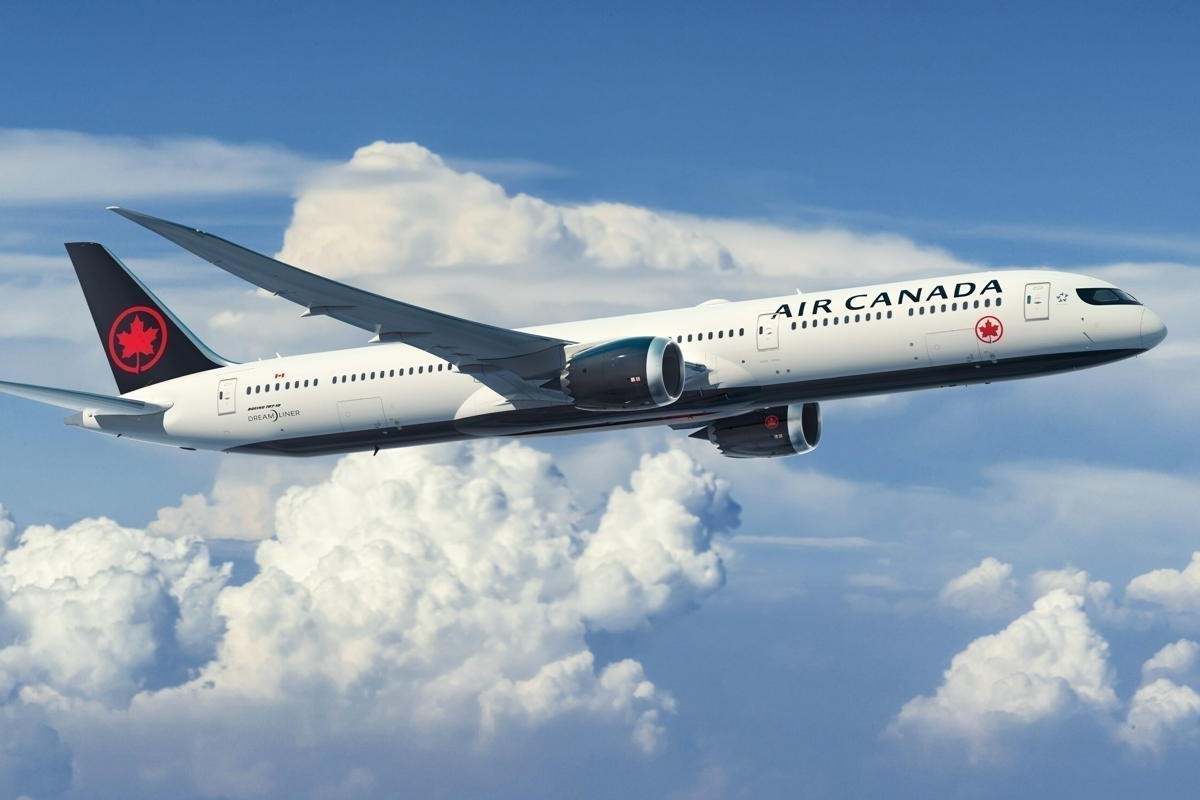
Air Canada will discontinue five cross-border routes to the United States for the Winter 2025–26 season, reports Aviation A2Z.
The cancelled routes connect secondary U.S. cities to key Canadian airports, the report outlines.
The scrapped flights are at key Canadian hubs—Toronto (YYZ), Montreal-Trudeau (YUL), and Vancouver (YVR)—to five U.S. cities: Detroit (DTW), Indianapolis (IND), Minneapolis (MSP), Nashville (BNA), and Tampa (TPA).
The specific routes being discontinued are:
The suspensions are scheduled to begin in September or October 2025, just ahead of the launch of Air Canada’s 2025–26 winter schedule.
Airlines continue to adjust their transborder operations as international sentiment toward the U.S. continues to be undermined by several factors.
Prominent among these are policy announcements under the Trump administration, including proposed tariffs targeting long-time trade partners, including Canada.
A weak Canadian dollar and widespread media coverage of border security incidents and national travel advisories have further contributed to a negative image abroad.
"Shifting sentiment and perceptions of the U.S. are expected to continue to weigh heavily on travel demand," said Aran Ryan, director of industry studies at Tourism Economics, in a press release last week.
The downturn is particularly pronounced among travellers from Canada.
Canadian arrivals have plummeted by 20.2 per cent, with land border crossings in April dropping a staggering 35.2 per cent compared to the previous year, reports Statistics Canada. Air travel from Canada fell by 19.9 per cent over the same period.
While some of Air Canada’s cancelled routes were originally seasonal, their early discontinuation points to a shift in the airline’s network planning strategy.
Although specific market demand figures for the cancelled routes haven't been published, broader travel trends could be shaping the airline’s choices.
For example: a growing number of Canadians—especially snowbirds—are selling their properties in Florida, which may be contributing to a decline in winter travel demand to destinations like Tampa.
Despite the decline in U.S. bookings, Air Canada is still confident it will attain its 2028 goals, including its ambitious plan to reach $30 billion in revenue.
According to BNN Bloomberg, the airline expects to bounce back from its decline in revenue during this year’s first quarter, which dropped one per cent from last year to $5.2 billion.
“We have an incredible franchise, with very strong foundation. We have incredible brands such as Aeroplan, Air Canada Vacations…and we continue to expand our ability to serve customers,” said John Di Bert, executive vice-president and chief financial officer at Air Canada, in a statement recently.
In addition, the airline has plans to increase its seat mile capacity, a key metric reflecting its passenger carrying capacity, in the second quarter by up to 2.5 per cent.
Don't miss a single travel story: subscribe to PAX today! Click here to follow PAX on Facebook.