We use cookies on our website.
Some of them are necessary for the functioning of the site, but you can decide about others.
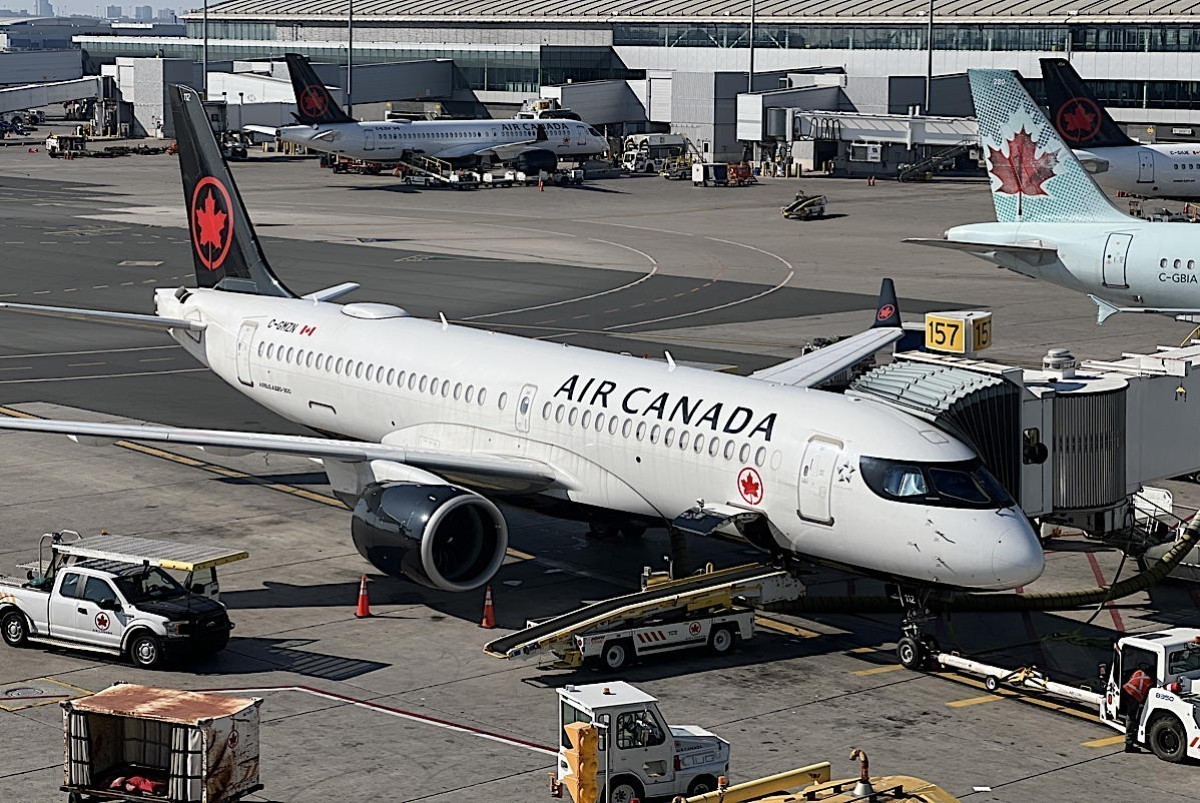
Air Canada is experiencing a decline in bookings for U.S. travel over the next six months, with reductions in the "low teens" percentage range, due to ongoing trade tensions and a weaker Canadian dollar, according to CEO Michael Rousseau.
Despite this, Air Canada shares surged over 10 per cent in morning trading after it reported a quarterly loss that was smaller than analysts had anticipated.
The gain came even though the airline revised its annual adjusted core profit forecast downward on Thursday.
Air Canada previously said its decline in U.S. bookings over the next six months mirrored an industry-wide drop of roughly 10 per cent.
“Uncertainty was for sure the main theme during the first quarter,” Mr. Rousseau told analysts last week, as reported by Reuters. “We are experiencing booking declines on the trans-border market in the low teens on average over the next six months.”
Air Canada posted its Q1 results on May 8, reporting a $150 million loss in the first quarter of 2025, which is up from a $96 million loss last year, despite stable operating revenue.
In a statement, Rousseau forecasted unstable market conditions ahead. But he was optimistic.
READ MORE: “Turbulent period”: Air Canada’s loss widens, outlook “uncertain”
"Our first quarter 2025 results show Air Canada is effectively managing through a turbulent period,” he said. “Total operating revenues of nearly $5.2 billion were stable year-over-year on similar capacity. Our revenue diversification strategy remains sound; sixth freedom revenues grew, and Air Canada Cargo and Air Canada Vacations delivered solid results in the period.”
Although advance ticket sales grew in line with Air Canada’s expectations during the period, “we anticipate market conditions will remain unsteady with an uncertain economic outlook,” the CEO said.
The update comes amid ongoing tensions between the U.S. and Canada, fuelled by President Donald Trump’s policies, the ongoing trade war, and his controversial remarks about making Canada the 51st state.
Generally speaking, Air Canada’s bookings remain stable, given the airline’s diverse network and flights to international destinations, where demand is strong.
The airline said performance in Mexico and the Caribbean was strong, as Canadian travellers are seeking out alternative destinations.
North American airlines overall have been cutting back their flight schedules due to a slowdown in U.S. domestic travel demand.
In response, they’re withdrawing financial forecasts and tightening spending—particularly on growing labour costs—in an effort to protect their profit margins.
Air Canada on Thursday reported an adjusted quarterly loss per share of $0.45, ahead of analysts’ average estimate of a loss of $0.54, according to data compiled by LSEG.
Rousseau does not expect any market changes with news on Friday (May 9) that Delta Air Lines and Korean Air Lines are acquiring an aggregate 25-per-cent stake in rival WestJet.
“Delta does have a relationship with WestJet and has had one for quite some time, and we all know Delta has a strategy of putting minority interests in airlines around the world,” he said.
Don't miss a single travel story: subscribe to PAX today! Click here to follow PAX on Facebook.