We use cookies on our website.
Some of them are necessary for the functioning of the site, but you can decide about others.

Sultan Sandur is a Punjabi Canadian writer, content strategist and communications professional based in Toronto. His work spans travel, hospitality, culture and digital media. He is the founder of @JustSultanTO, an independent travel and lifestyle platform. His writing focuses on luxury travel, destination identity and the evolving hospitality and tourism landscape.
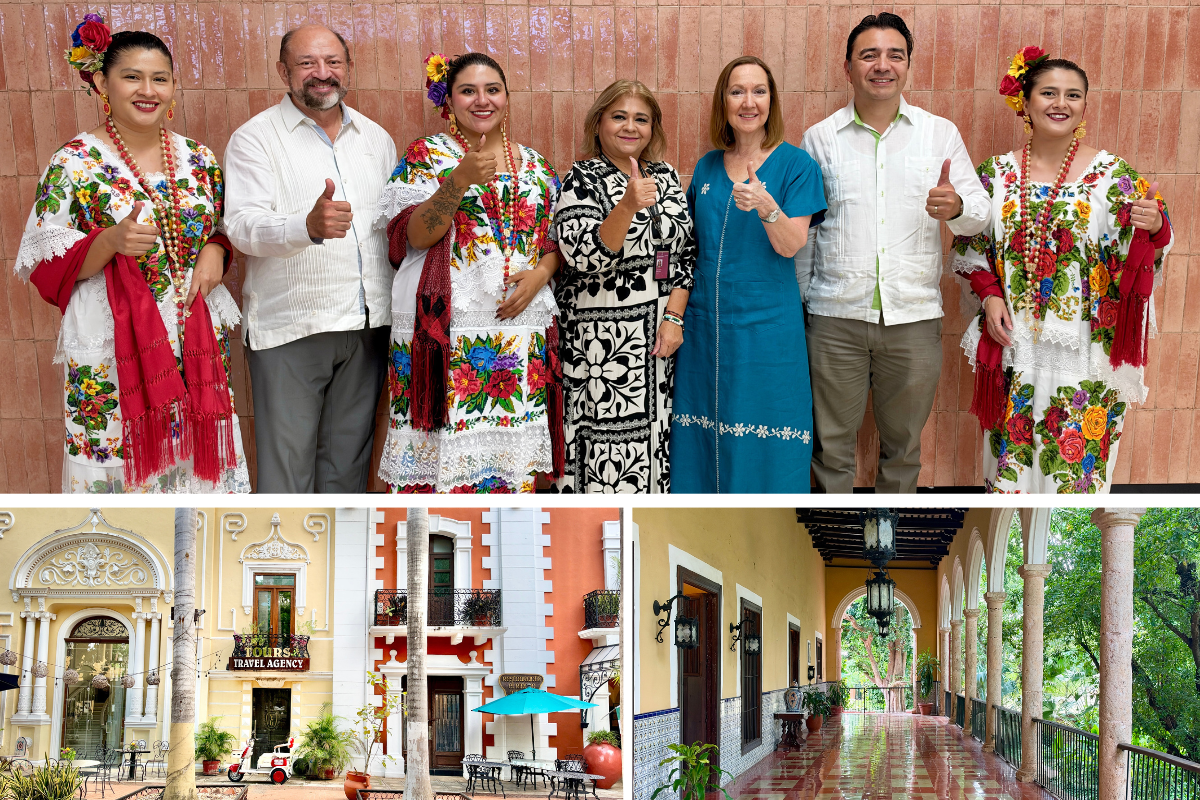
When Air Canada’s inaugural flight on its seasonal nonstop route from Toronto to Mérida touched down on Saturday (Nov. 21), passengers were greeted by Yucatán tourism officials and women dressed in traditional Yucatecan ternos, elaborately embroidered ensembles worn for festivals, weddings and special occasions.
Among those welcoming the flight were Yucatán’s secretary of tourism development Darío Flota Ocampo, subsecretary of tourism promotion Elizabeth Cole, public relations director Addy Esther Pérez Solís and subsecretary of sustainable development Raúl Paz Noriega.
The arrival marked another step in Yucatán’s growing relationship with the Canadian market.
Flota Ocampo told PAX that air connections with Canada have expanded over the past 12 years, with seasonal service gradually operating for longer periods each year.
Canada is already Yucatán’s second-largest international source market after the United States, accounting for nearly 10 per cent of international visitors, according to Laura Nesteanu, global senior vice-president at GMS, the agency representing the Yucatán Tourism Board.
Air Canada’s twice-weekly seasonal service operates on Mondays and Saturdays aboard a 137-seat Airbus A220-300 through April 17, 2027.
The flight takes approximately four hours.
The schedule gives Canadians the option of a two-night weekend escape or a five-night stay.
PAX tried the former.
In two nights, we learned how a fibre stripped from agave leaves paid for some of Mérida’s grandest houses, dined at a Michelin-starred restaurant and met two Canadians who liked one historic mansion enough to switch hotels.
By the time we flew home on Monday, it was easy to see what we’d do with another few days.
Often explored on excursions from Cancún and the Riviera Maya, Yucatán can now be the starting point for that itinerary, giving Canadian travel advisors an opportunity to sell the region as a vacation destination in its own right.
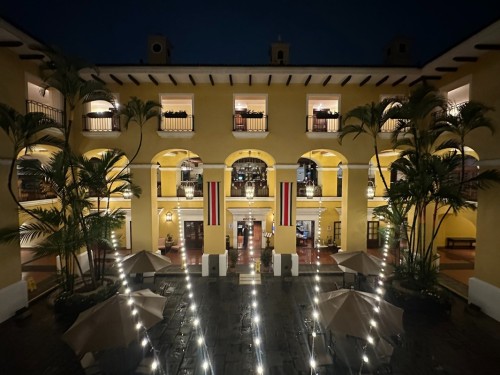
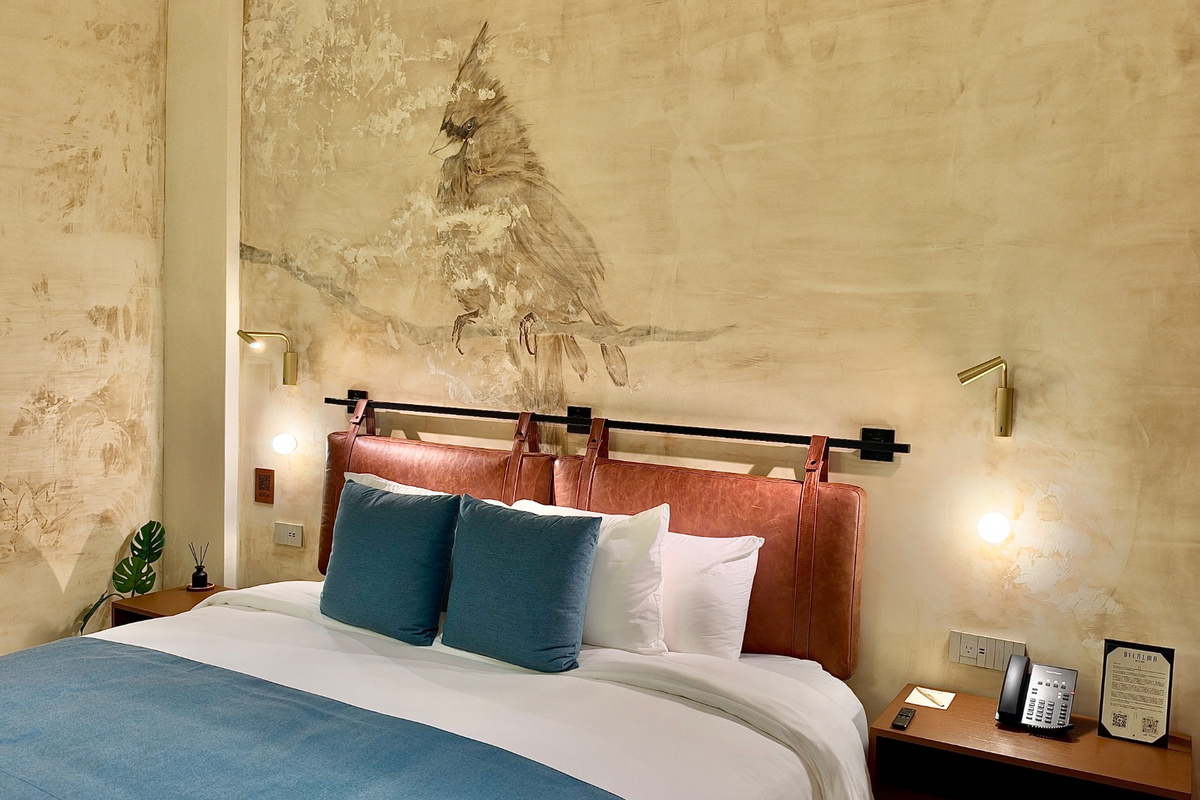
PAX spent both nights at Del Alma Mérida, a nine-room boutique hotel in a restored colonial-era house on Calle 57.
The hotel opened earlier this month following a private investment of more than 100 million Mexican pesos.
At Del Alma, even the room names come with a backstory. Book Henequén and you’re sleeping in a room named after the fibre that once made Yucatán rich.
PAX, meanwhile, checked into a Maya legend.
Our room, Nicté Ha, meaning “water flower,” was named after a princess who, in the hotel’s telling, becomes a white flower floating on a cenote.
The cultural references continued at Recado, the hotel’s restaurant, named after the traditional seasoning blends used in Yucatecan cooking.
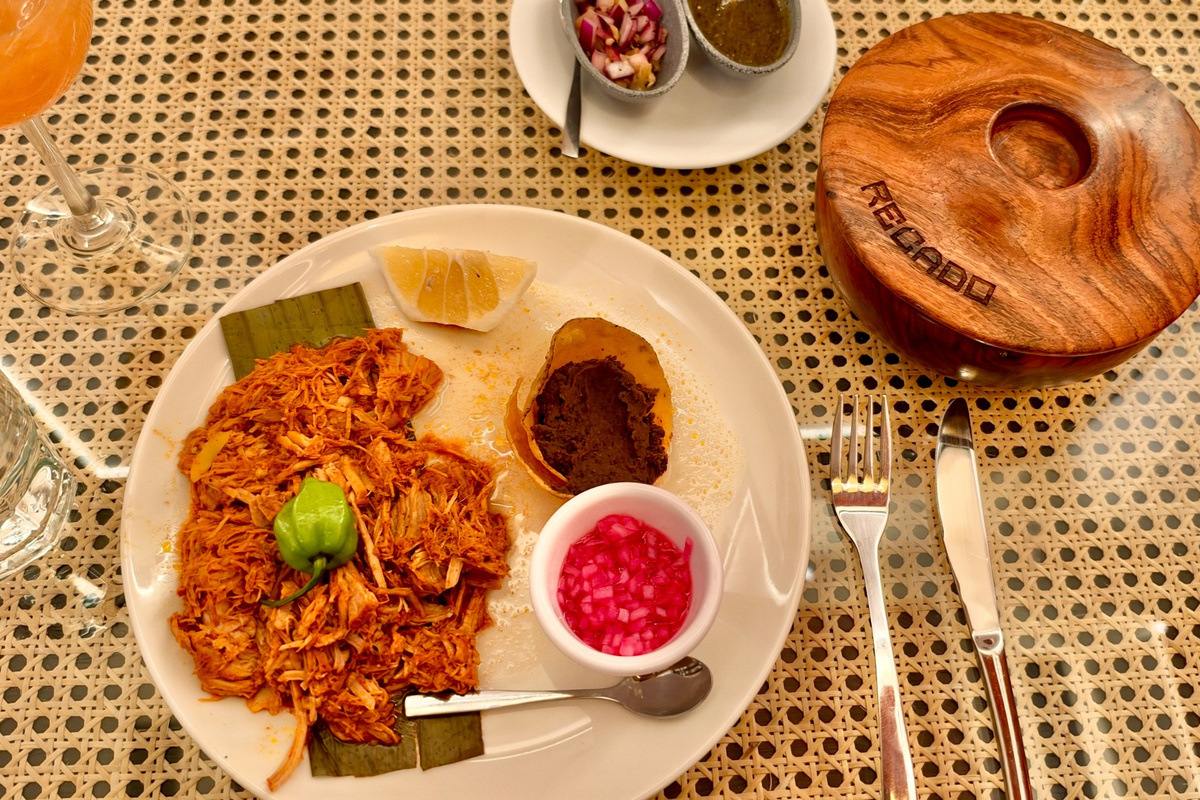
Over dinner, we passed around cochinita pibil, tacos, guacamole topped with crisp pork belly and Yucatecan-style kibis.
Recado’s tabbouleh and Yucatecan-Lebanese trio of chickpea hummus, roasted xcatic pepper cream and smoked eggplant reflect culinary traditions introduced by Lebanese immigrants that Yucatán has since made its own.
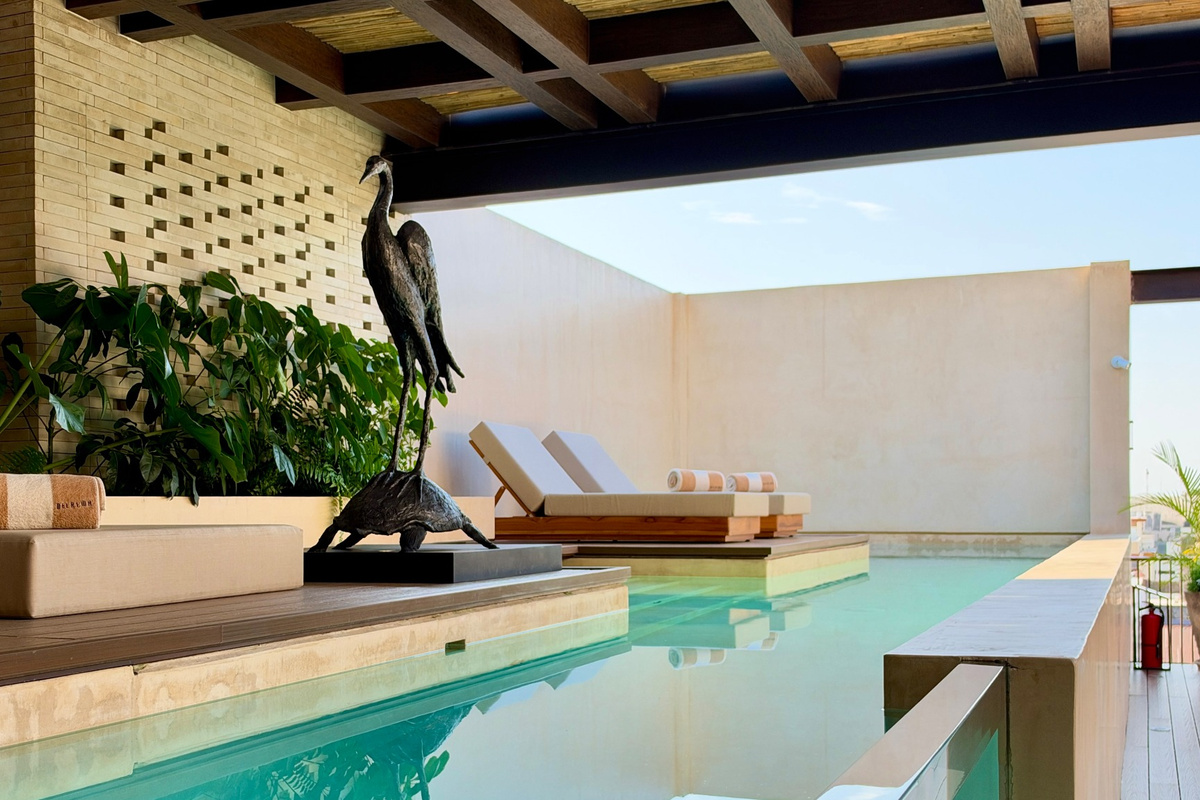
With its central location and tucked-away plunge pool for cooling off between outings, Del Alma offers a stylish base for exploring the historic centre on foot.
Clients staying elsewhere can also book a table at Recado.
With just nine rooms, advisors should book early, particularly for groups.
The two Canadians we met at Mansión Mérida had already checked in somewhere else.
They spotted the mansion while walking through the historic centre, went inside and decided it was worth packing up and moving.
“We were looking for historic and vintage accommodation,” one told PAX.
It’s easy to understand the impulse.
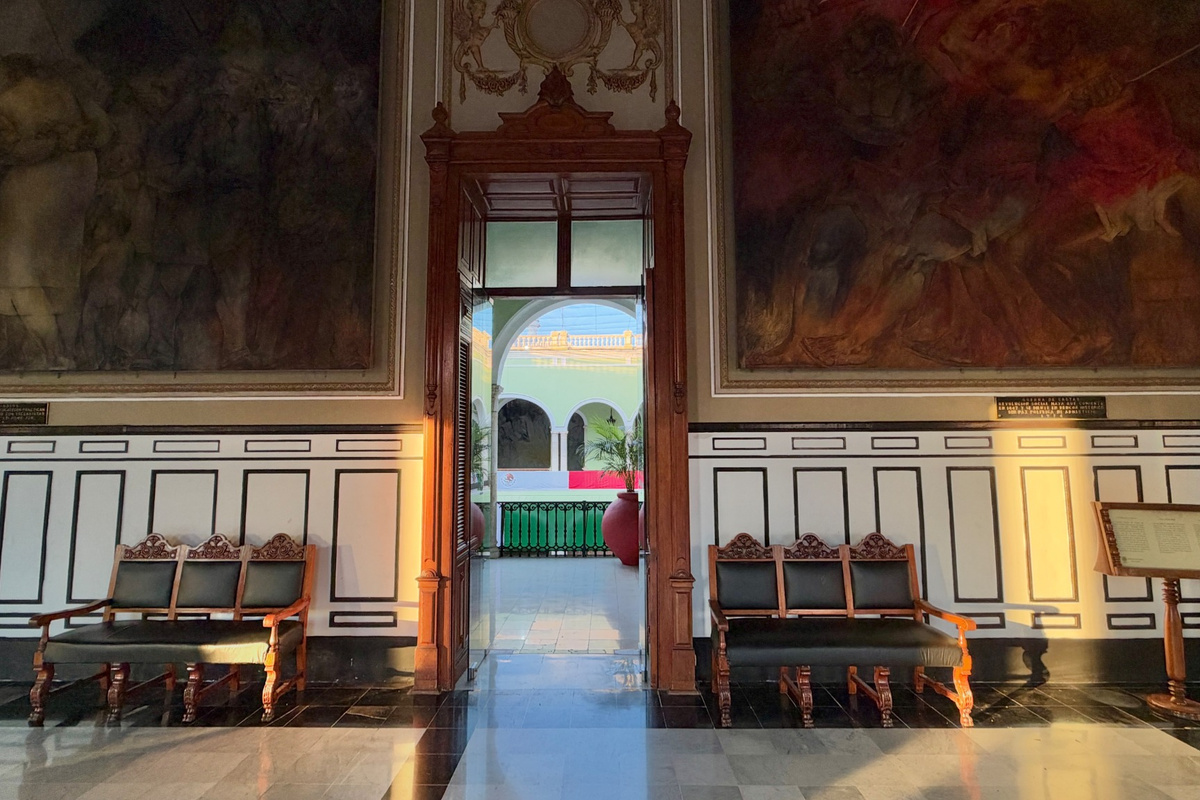
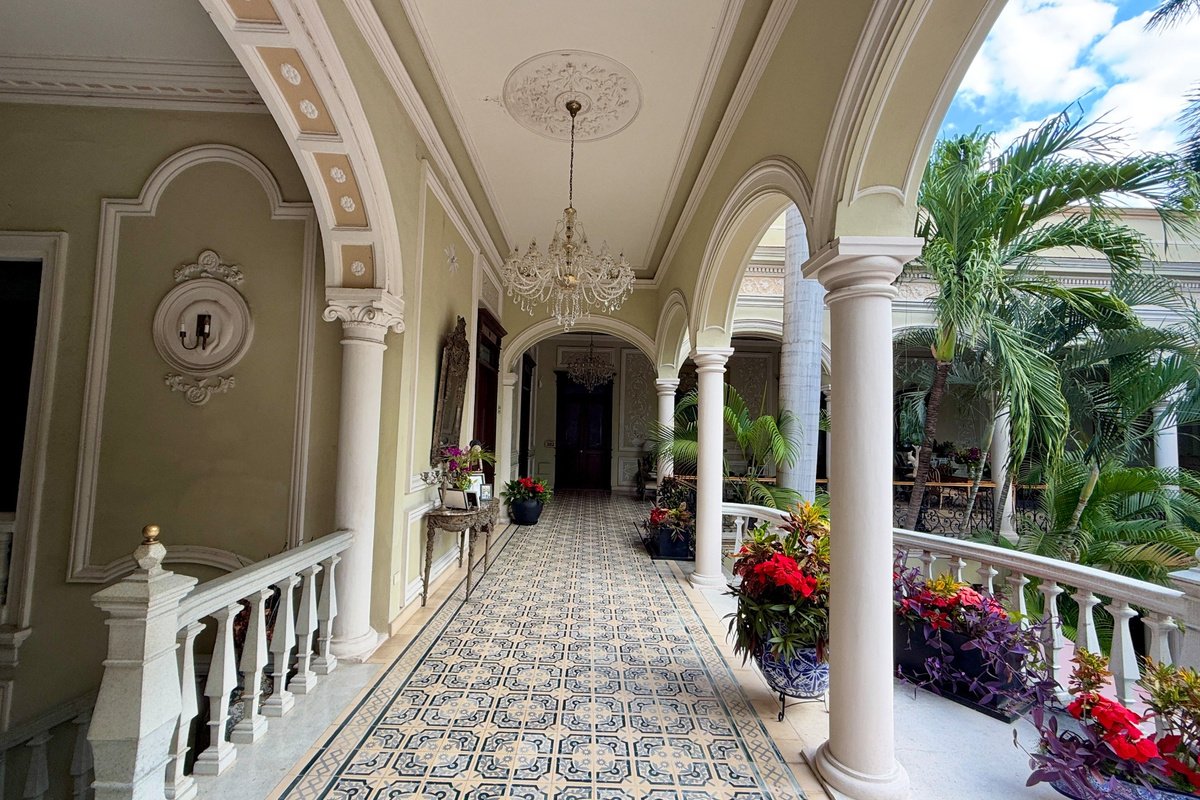
With soaring archways, an ornate fountain, lush greenery and European furnishings, the mansion recalls an era when Mérida’s wealthiest families spared little expense in their homes.
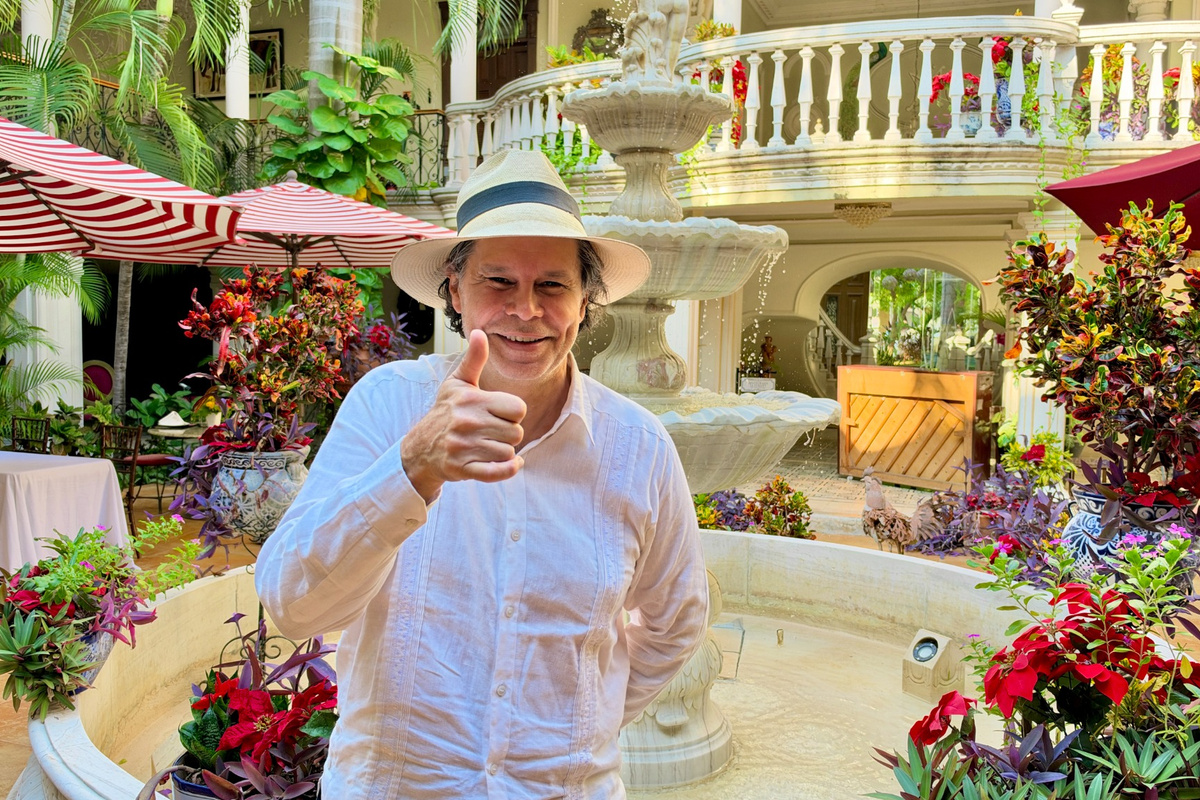
Raúl Casares, director general of Mansión Mérida, greeted us when we arrived for breakfast on Monday morning.
The mansion, he explained, was once his grandfather’s home.
Following a five-year restoration, the property became a boutique hotel.
A member of Historic Hotels Worldwide since 2015, it retains the mansion’s old-world glamour in its individually decorated suites, giving guests a sense of what it was like to stay in a historic private residence.
“All the rooms are different,” Casares said.
Overlooking Parque Hidalgo, the 14-suite property is within walking distance of theatres, galleries, restaurants and Plaza Grande.
The influence of those wealthy families extends to the restaurant’s kitchen.
Casares explained how hacienda owners brought ingredients and culinary traditions home from their travels abroad, helping shape Yucatecan cooking.
For breakfast, he recommended two regional classics: papadzules (egg-filled tortillas covered in pumpkin seed sauce) and huevos motuleños (a dish of eggs, tortillas, beans and tomato sauce).
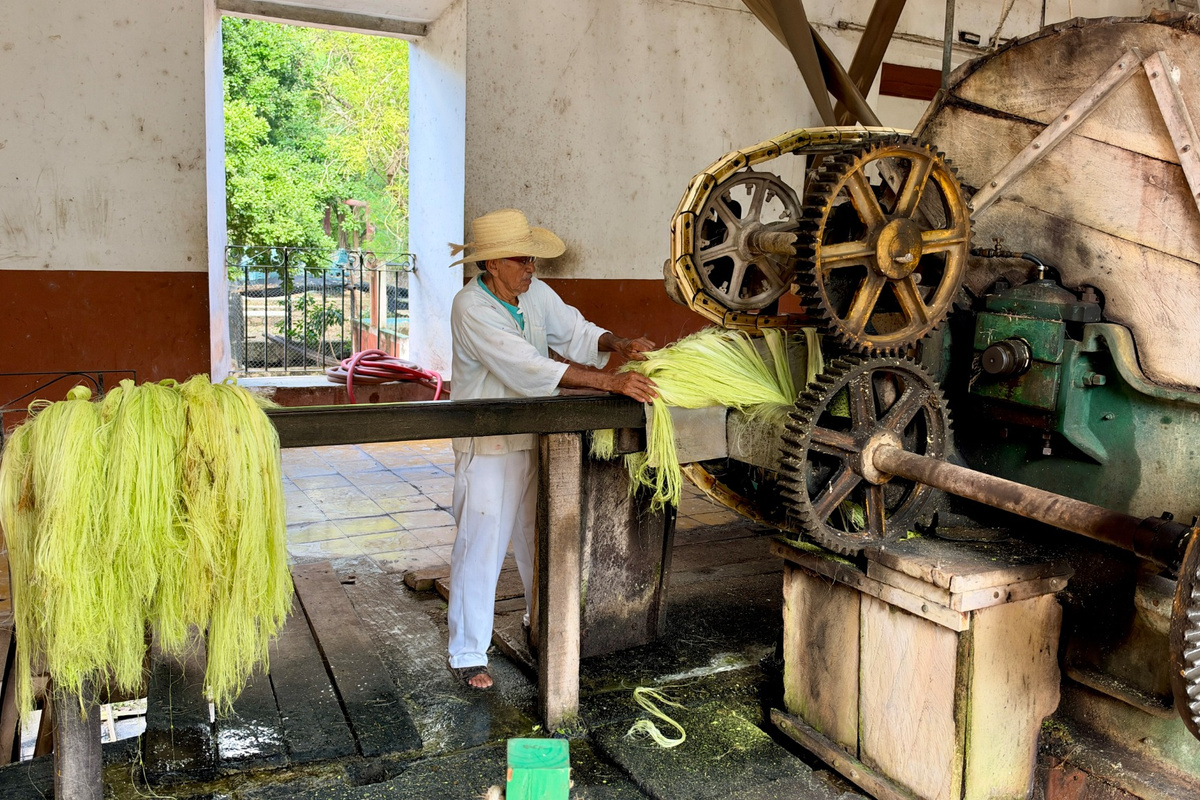
A drive down Paseo de Montejo reveals what henequén money could buy. A visit to Hacienda Sotuta de Peón reveals how it was made.
The boulevard’s European-style mansions were built with fortunes made from Yucatán’s “green gold.”
The agave fibre, historically traded as sisal and associated with the Yucatecan port of the same name, was prized for its strength and used to manufacture rope and twine.
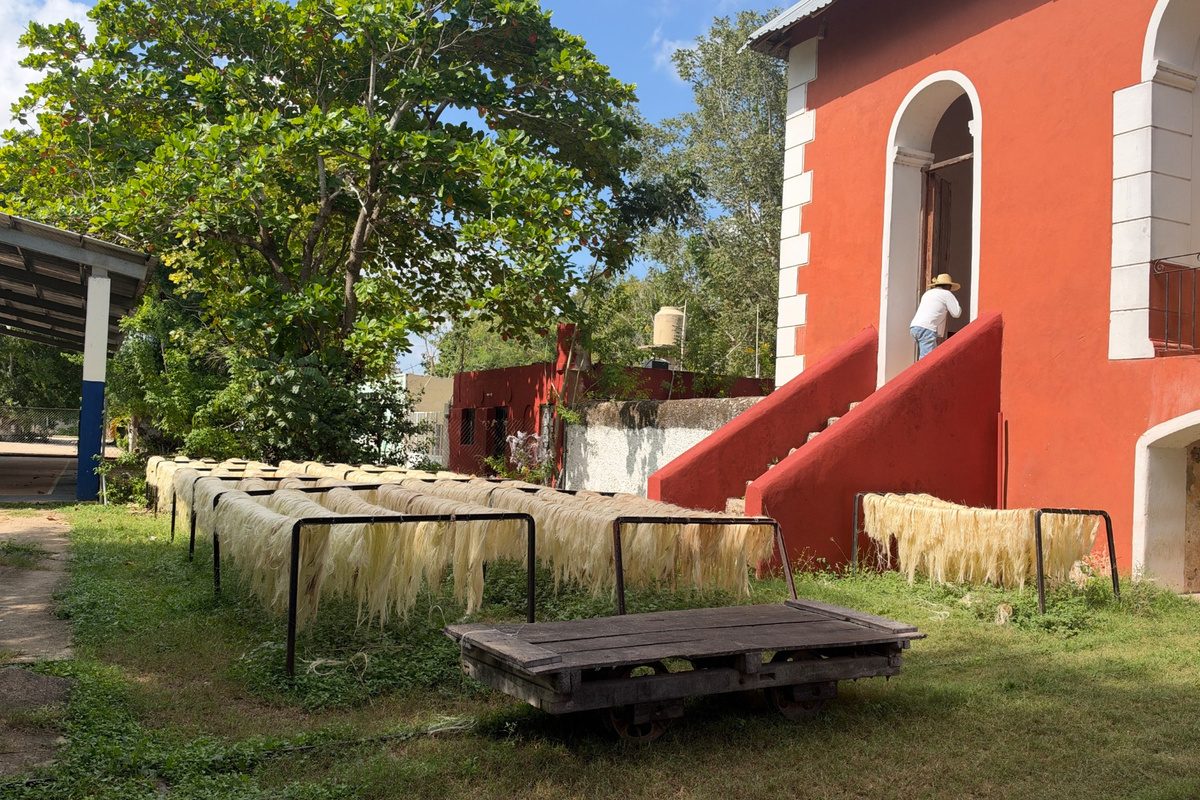
About an hour south of Mérida, PAX watched a machine extract long strands of that very fibre from a stiff agave leaf.
The industry that generated much of Mérida’s wealth relied heavily on Maya labour, often under difficult working conditions.
We travelled through the fields aboard a mule-drawn platform known as a truk, traditionally used to transport harvested henequén, before descending into Dzul Há, a cavern cenote whose Maya name translates as “gentleman of the water.”
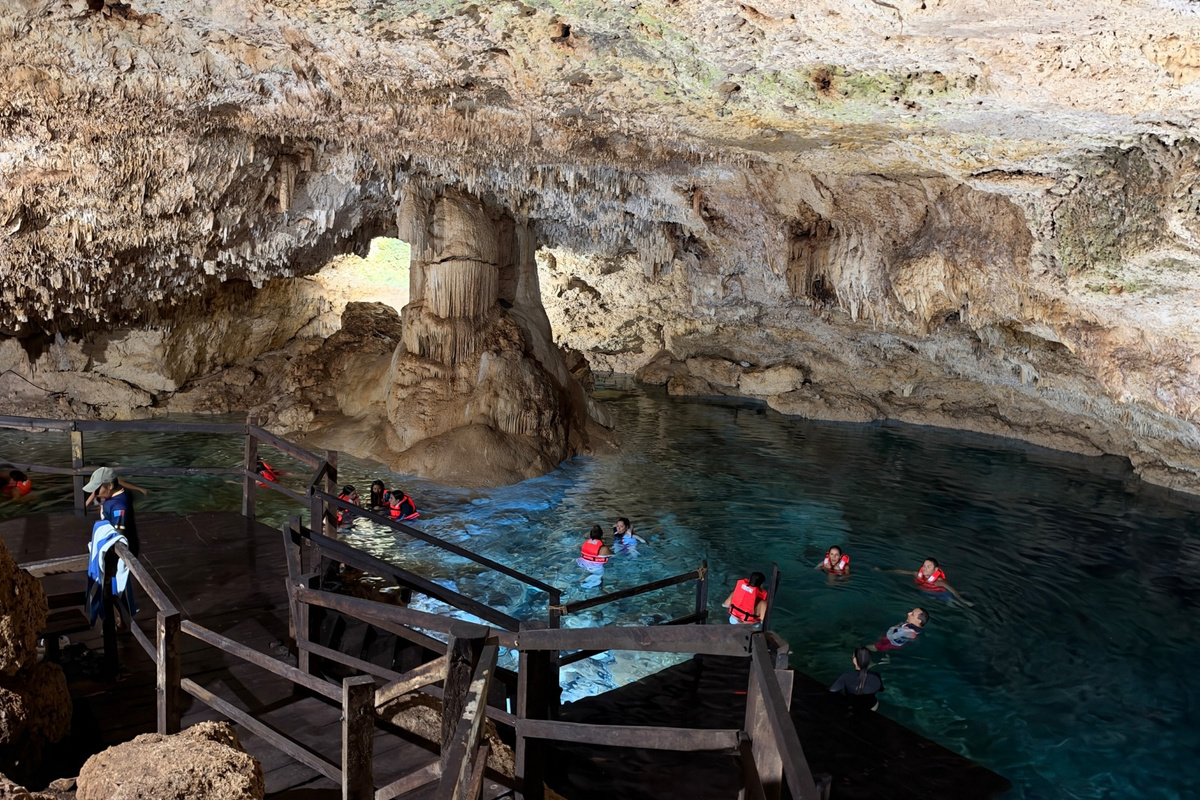
Sotuta de Peón remains a working henequén estate.
Its evolution into a tourism attraction began, somewhat unusually, with a collection of old agricultural machinery.
Owner and general director William Lübcke's father bought the abandoned estate in 1979 to showcase agricultural irrigation systems.
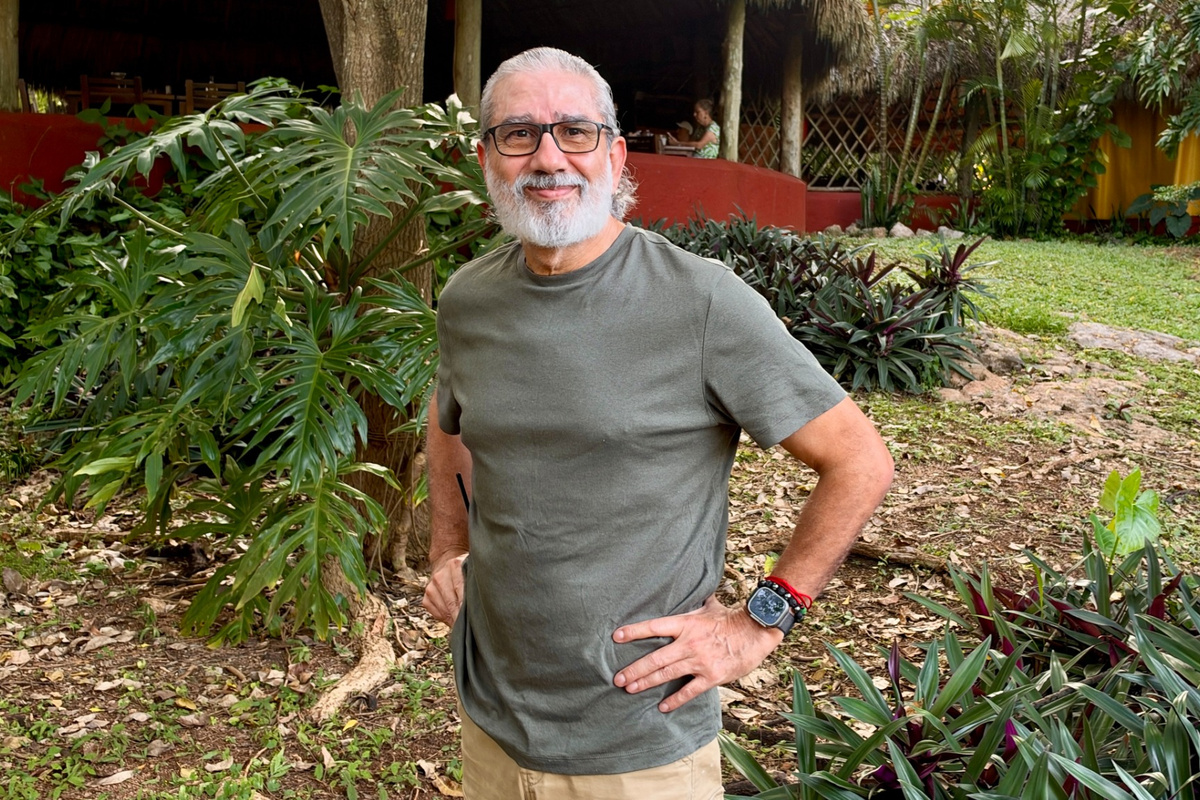
In the 1990s, his father began rebuilding a traditional henequén operation, spending about a decade collecting machinery from abandoned haciendas.
“It was kind of an expensive hobby, you know?” Lübcke said.
Lübcke suggested opening the estate to visitors to help recover the investment.
According to Lübcke, the roughly 500-hectare estate produces one to 1.5 tonnes of fibre weekly, using henequén that includes material purchased from other growers.
The fibre is used primarily for handicrafts, decorative products, string and rope.
For clients looking to stay overnight, the hacienda offers accommodations, some with private plunge pools, alongside cycling, horseback riding, ATV excursions and wellness activities.
Lübcke said seven cenotes on the property are open to visitors.
Transportation from Mérida can also be arranged.
A sunset tour includes a visit to Dzul Há, a margarita made with henequén distillate and a four-course dinner at the hacienda’s Muum restaurant.
Canadian advisors may recognize the estate from G Adventures’ Geluxe programming.
Lübcke said the program offers guests an opportunity to learn about regional ingredients and prepare cochinita pibil in a traditional underground pit.
Lübcke also has personal ties to Canada, having studied hotel management in Toronto, where his son is now studying.
He and his wife now live on the estate.
Preserving its history, he said, remains his proudest achievement.
“Actually, I live in a museum,” he joked.
There are several ways to experience a cenote in Yucatán.
At Huniik, you can do so over six courses without getting your feet wet.
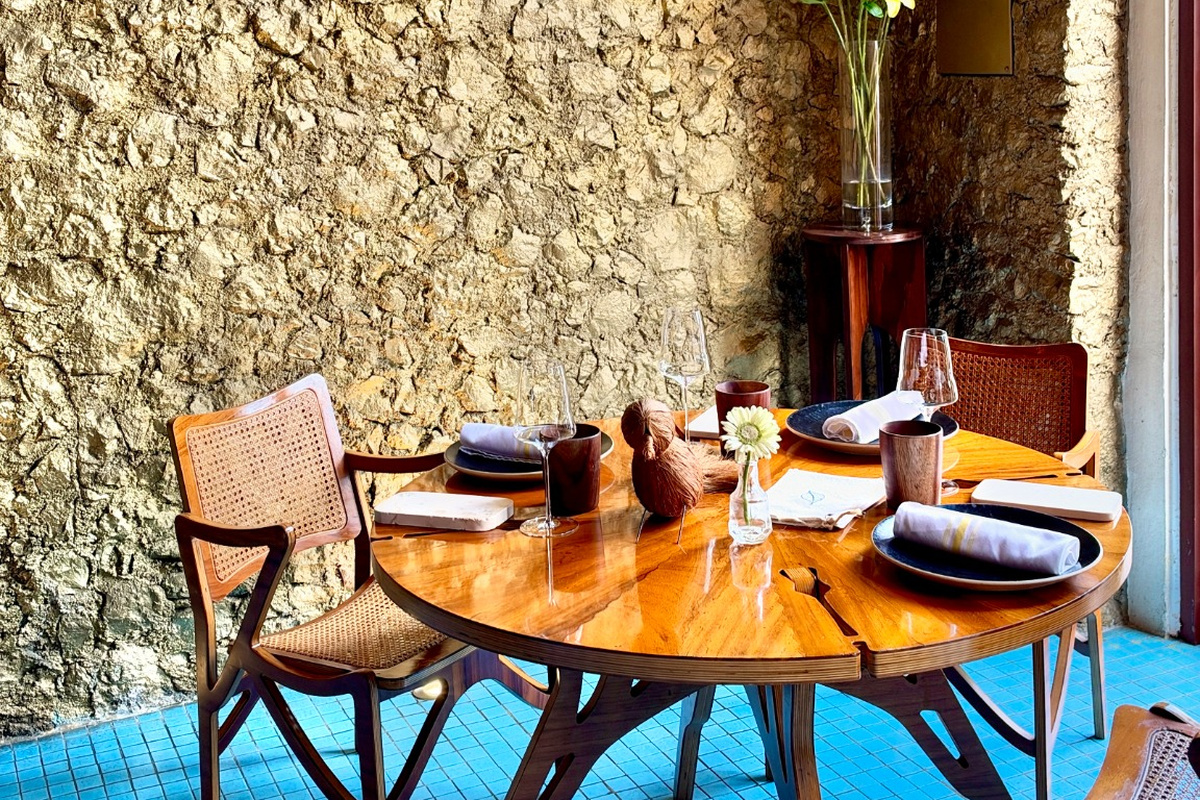
Led by Yucatecan chef Roberto Solís Azarcoya, the restaurant earned its first Michelin star in 2026 and is a member of Relais & Châteaux.
Cuban artist Jorge Pardo designed the intimate, 16-seat dining room to evoke a cenote, with turquoise floor tiles representing the water and textured walls recalling the limestone formations.
An open kitchen puts diners close to the action.
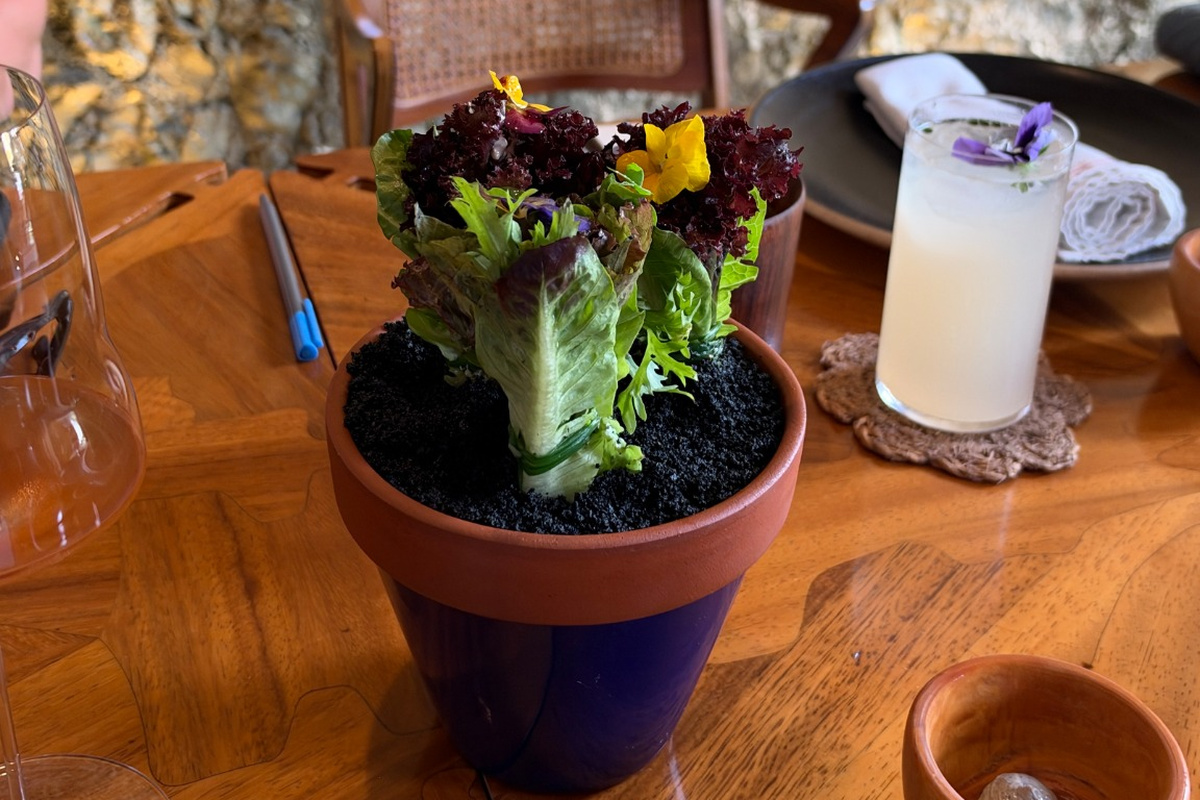
Regional ingredients guided our six-course lunch, which featured melipona honey, black recado with Maya pumpkin seeds, shrimp aguachile, mushrooms, lamb and a banana dessert.
Those pumpkin seeds turned up again two days later, in the sauce covering our papadzules at Mansión Mérida.
Huniik also offers a seasonal 12-course dinner tasting menu, and its hospitality has earned recognition of its own.
Front-of-house chief Rodrigo Caltenco Núñez received the 2026 Michelin Guide Mexico Service Award.
Staff told PAX that booking one to two weeks in advance is generally sufficient, although December was already nearly fully booked.
Advisors should reserve further ahead during peak periods and confirm lunch availability.
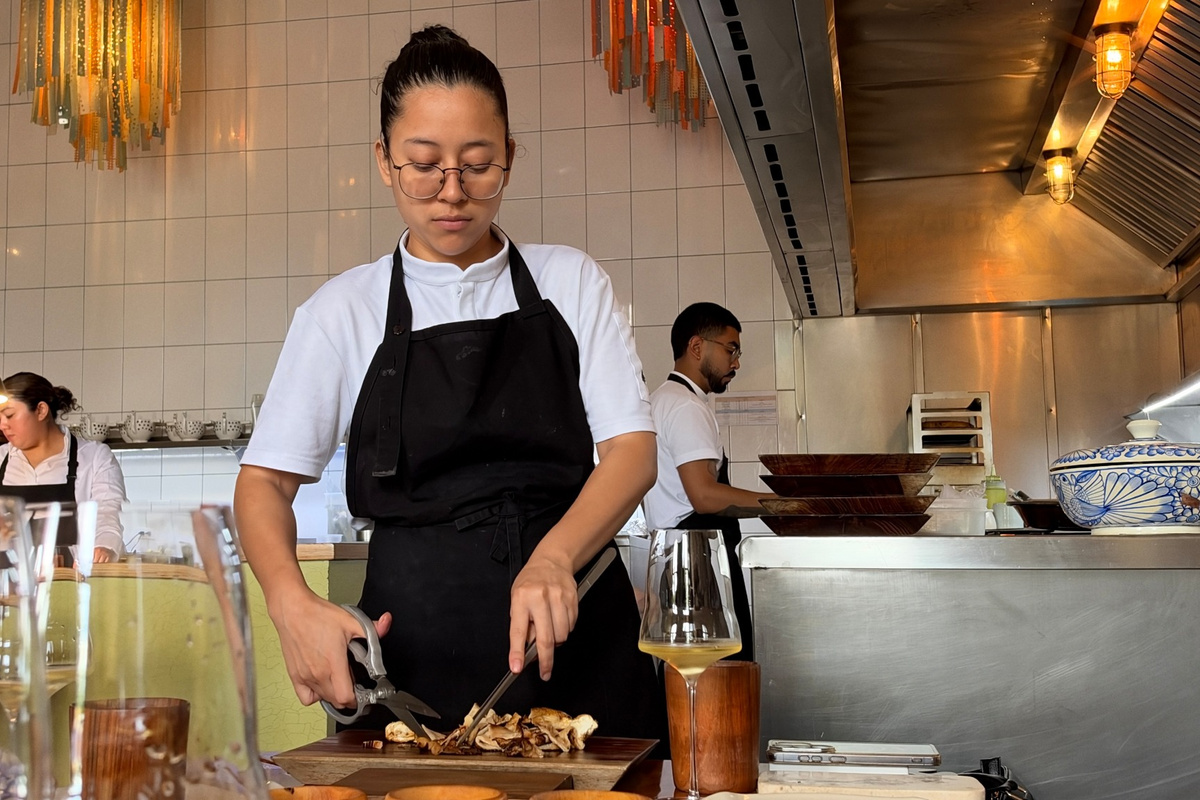
If Huniik is somewhere to surrender an afternoon or evening to the chef, Micaela Mar y Leña is somewhere to begin a night out.
The Michelin-recommended restaurant specializes in seafood and wood-fired cooking.
Its menu draws on memories of Nana Micaela and culinary traditions passed down through generations of Mexican women.
Since opening in 2018, Micaela has helped shape Calle 47 into one of Mérida’s principal dining destinations, where dinner can easily turn into an evening exploring the corridor’s restaurants and cocktail bars.
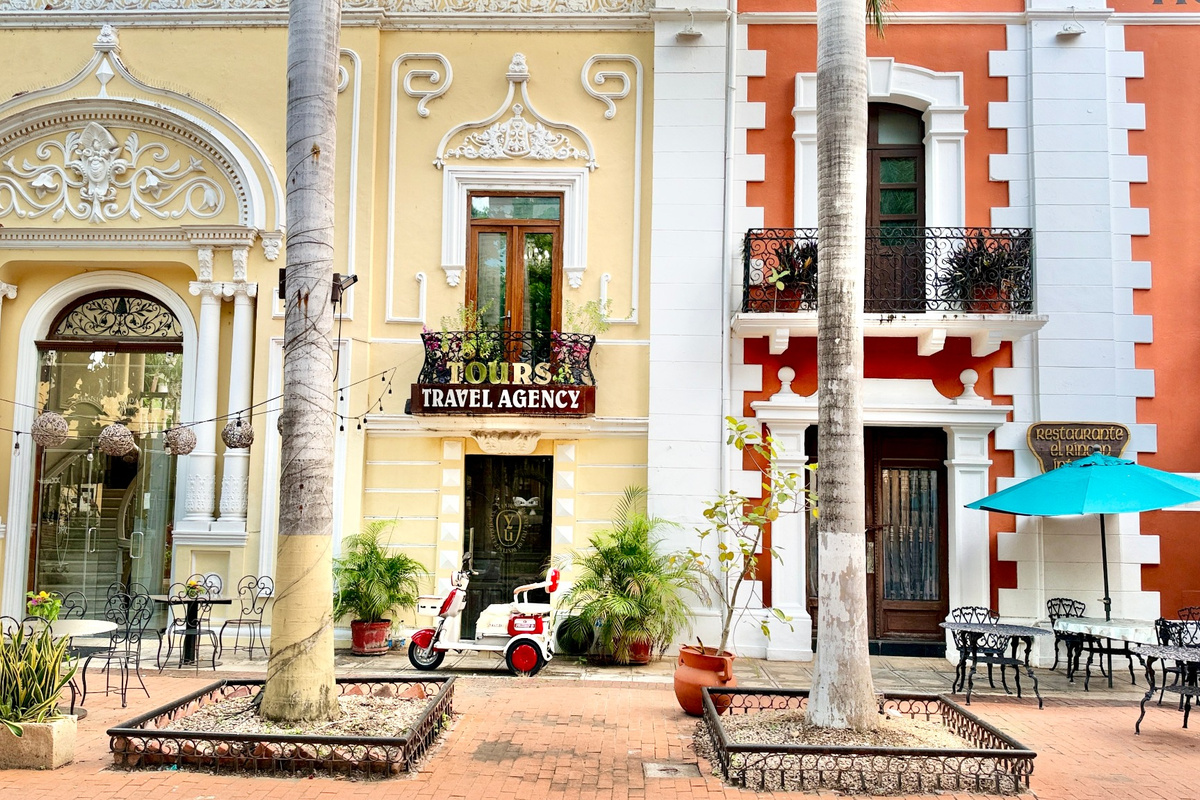
Founded by the Spanish in 1542 on the site of the Maya city of T’hó, Mérida is a low-rise capital where church towers and historic façades, rather than skyscrapers, define the streetscape.
The Cathedral of San Ildefonso and pink Municipal Palace overlook Plaza Grande, while historic buildings throughout the centre house independent cafés, designer boutiques, galleries and cocktail bars.
Even Mérida’s public seating has personality.
Its white conversation chairs, known as sillas confidentes or tú y yo (you and me), are designed so that two people can face each other rather than sit side by side, a detail our guides traced to French tête-à-tête seating.
The city, it seems, would rather you have a conversation.
Our guides also described a tradition of multiple generations of a family living close together, sometimes on the same block.
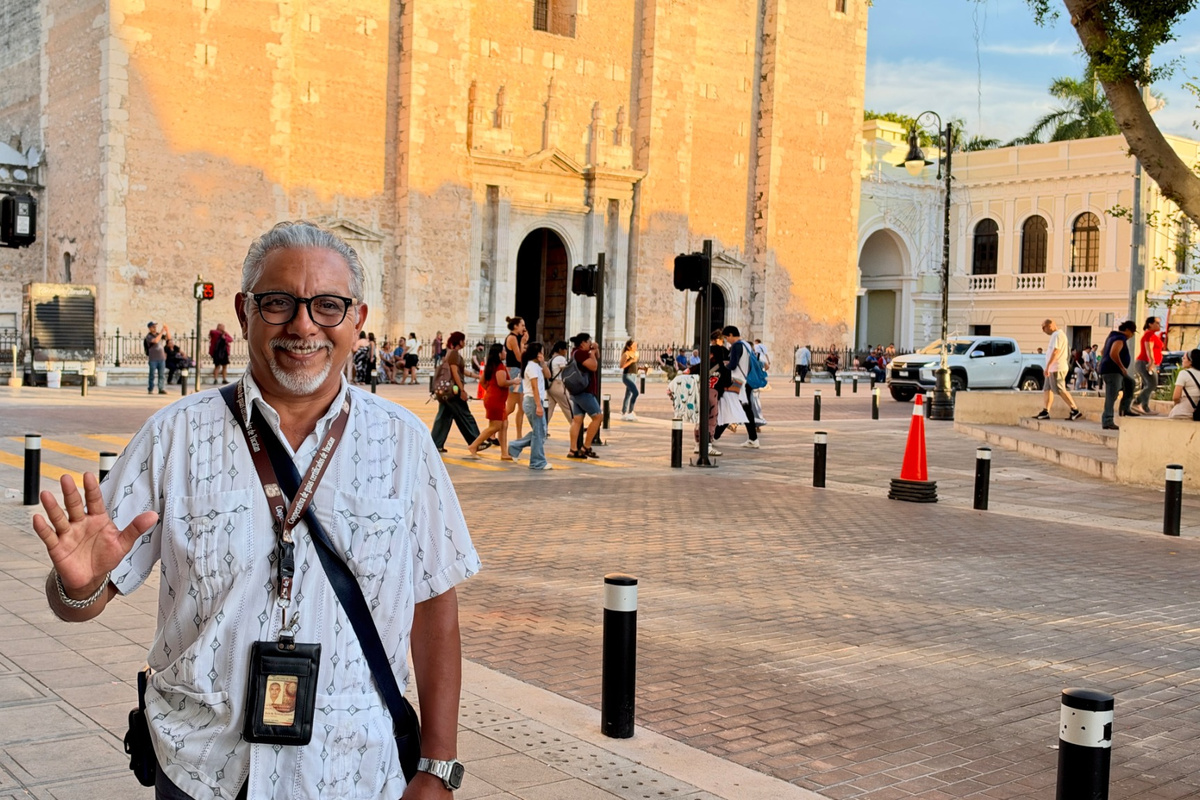
It offered another perspective on the sense of community we encountered throughout our visit.
Much of Mérida’s cultural life is accessible without an admission ticket, from Vaquería Yucateca dancing on Mondays and the Serenata de Santa Lucía on Thursdays to demonstrations of Pok Ta Pok, the Maya ball game, on Fridays and Saturdays.
Contemporary art offers another reason to visit this winter.
The inaugural Bienal de Yucatán, titled Vocal, runs from Nov. 26 through Feb. 28, 2027, with free programming featuring 76 artists across 16 venues in Mérida and Maní.
The exhibition explores language, identity and communication, including the Maya language.
Among the participating artists is a familiar name from our lunch at Huniik, Jorge Pardo.
Week of Art Yucatán (WAY) and Mérida Fest follow in January, with Carnaval in February offering another opportunity to build itineraries around cultural events.
Four or five nights is the tourism board’s recommendation.
Having attempted Mérida in two, PAX can appreciate the arithmetic.
Using the capital as a base gives clients time to explore the historic centre and fit in day trips to the Maya archaeological site of Uxmal, the yellow-painted town of Izamal or a hacienda and cenote.
Seven to 10 nights allow for more coastal and nature experiences.
Progreso offers a Gulf Coast beach stay, while Celestún is known for its flamingo habitats and Las Coloradas for its pink salt lagoons.
Cole also highlighted mangrove boat tours around Río Lagartos, cenote diving and coastal kitesurfing for more active travellers.
For clients wanting an all-inclusive component, Nesteanu suggested three nights in Mérida followed by four in Cancún or the Riviera Maya.
Advisors can price an arrival at one airport and a departure from the other.
A private transfer with a bilingual guide can also turn the journey between destinations into a sightseeing day.
While couples and families remain important markets, Cole said recent visitor studies point to growing interest among solo travellers and groups of friends, particularly women.
She suggested the destination’s reputation for safety may be contributing to that shift.
Citing crime indicators, Flota Ocampo described Yucatán as Mexico’s safest state and highlighted the appeal of exploring its public spaces, restaurants and cultural attractions.
Flota Ocampo told PAX that some Canadians already spend a month or two in Yucatán, often in beachfront homes, while others are increasingly exploring inland destinations and purchasing property.
Lübcke has also noticed interest from Canadians reconsidering their usual winter trips to the United States.
For clients accustomed to wintering in Florida, a Mérida and Progreso combination could introduce them to another stretch of the Gulf Coast.
Advisors can access destination information, suggested itineraries, webinars, industry events and familiarization opportunities through the Yucatán Tourism Board at yucatan.travel.
The two Canadians we met at Mansión Mérida had already reconsidered their accommodations. PAX left Mérida with a similar inclination, although in our case it was the return flight we wanted to change.
Air Canada’s Monday and Saturday departures offer Canadians a choice between two nights and five.
Take the five.
Don't miss a single travel story: subscribe to PAX today! Click here to follow PAX on Facebook.