We use cookies on our website.
Some of them are necessary for the functioning of the site, but you can decide about others.

Canada is the fastest-growing market for Intrepid Travel, which was founded in Australia in the late 1980s. In September alone, bookings made through travel advisors increased by 43%. As the company has just announced the acquisition of the French brands Altaï, Atalante, and Altaï Travel, PAX spoke with Christian Wolters, president of Intrepid Travel in Canada.
While our customer base spans a wide range of ages, the average Intrepid traveller is in their 40s and 50s, and we're seeing growing demand across multiple generations.
What connects our travellers is less their age or where they come from, and more their shared curiosity about the world. They're people who want to get beyond the typical tourist experience, connect with local cultures and communities, and discover destinations through the perspective of people who live there.
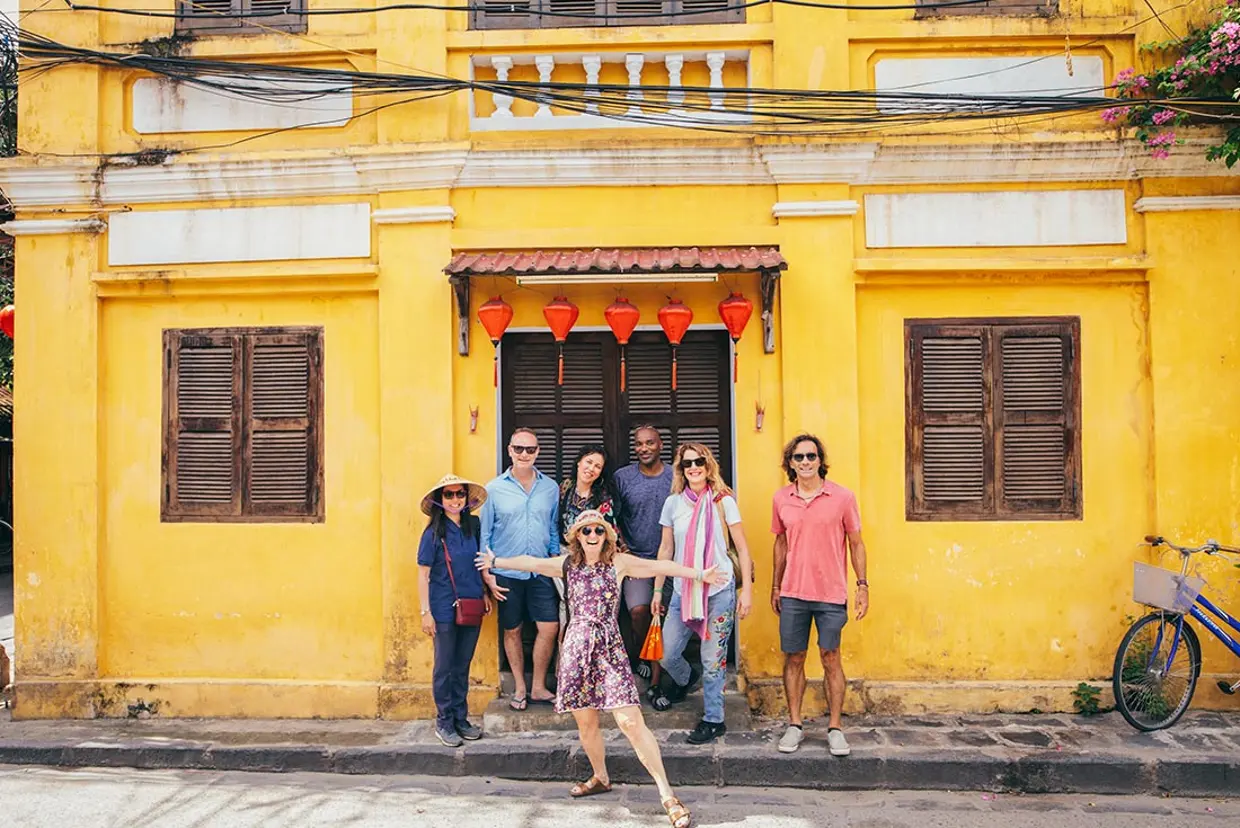
Australia is Intrepid's largest source market globally, with the UK also representing a significant share of our travellers. North America is currently our fastest-growing region, with Canada leading that growth as our fastest-growing country globally.
"Canada has become an increasingly important market for Intrepid. In September 2026, Canadian bookings grew 48% year over year, with bookings up 21% year to date. Our travel advisor and industry partner channel is also a significant driver of growth, with bookings through these partners increasing 43% in September alone."
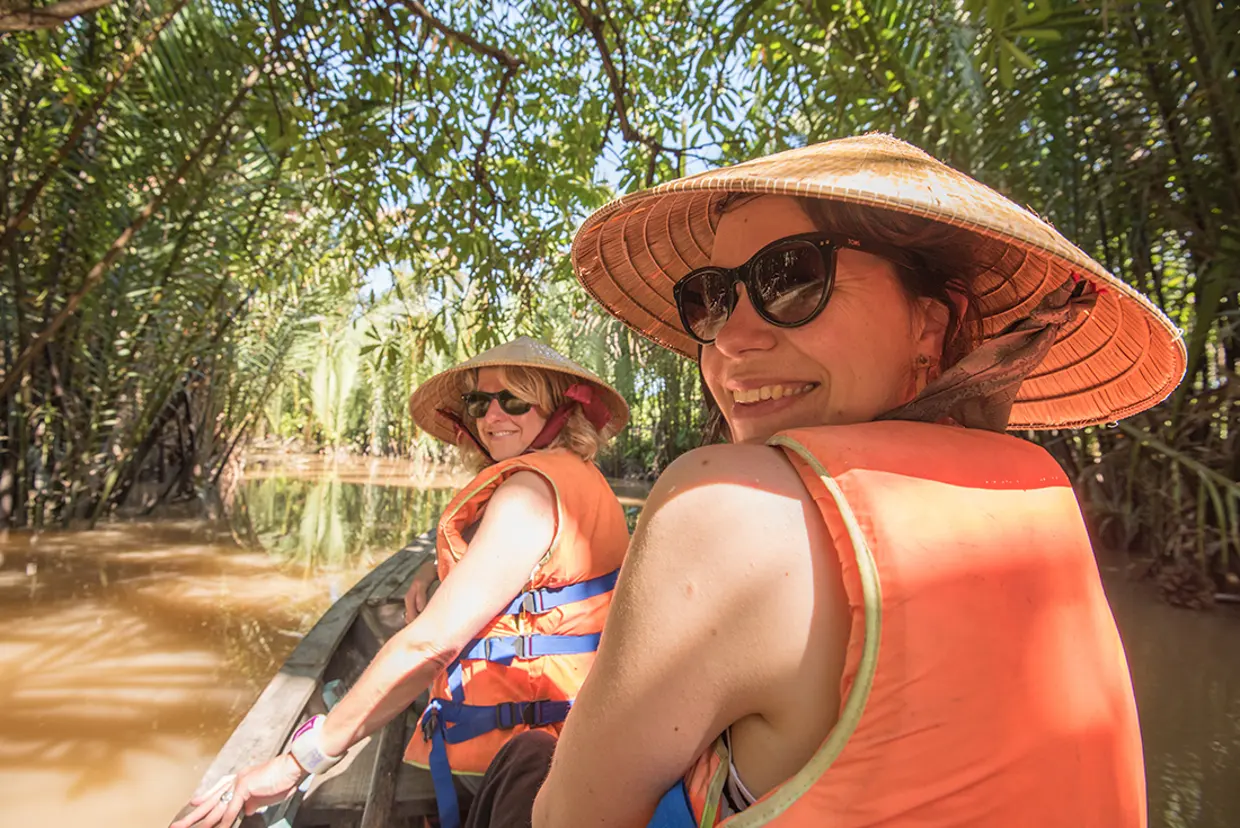
Vietnam Southbound is Intrepid's most popular trip of all time globally. Vietnam is one of the most enduring and consistently popular destinations in our portfolio. The country has been a cornerstone of our global operations for more than 20 years.


We work closely with travel advisors and see them as an important part of how we connect more travellers with Intrepid. We support our advisor network through the Intrepid Agent Hub, a dedicated platform that brings together the tools, training and resources they need to confidently sell our trips.
For advisors, partnering with Intrepid means being able to tap into that demand and offer clients a trusted, established brand with a consistent experience across destinations around the world. Whether their clients are looking to explore Japan, South America or closer to home, they can rely on Intrepid to deliver the same quality of small-group travel, local expertise and responsible experiences.
This includes exclusive advisor rates, with discounts of up to 50% on most Intrepid trips, on-demand training and destination education, client-facing sales and marketing materials, and access to familiarization (FAM) trips. Advisors can also manage bookings, keep up with new itineraries and promotions, and access trade incentives through the platform.
Ultimately, we want to make it easy for advisors to get to know our product firsthand and have the knowledge and resources to match their clients with the right Intrepid adventure.
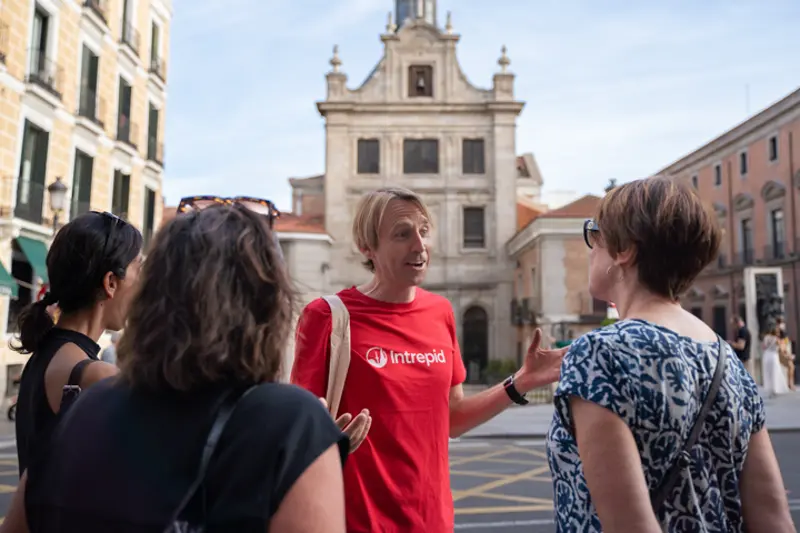
Most Intrepid trips are guaranteed to depart with just one fully paid traveller. This means that even if you're the only person booked on a departure, your trip will still go ahead. There are a small number of exceptions where a specific minimum group size applies, but these are outlined on the individual trip page or in the Essential Trip Information.
For us, responsible travel is about the choices we make every day, from how we design our trips to the people and businesses we work with on the ground.
That means employing local leaders, working with locally owned businesses and community organizations, reducing waste and choosing lower-carbon transport like trains where practical. We have a global Responsible Travel Policy that sets standards across our operations, from protecting wildlife and respecting local cultures to supporting local economies.

We've also made some important changes to how we approach climate action. In 2025, we moved away from relying on carbon offsets and committed AUD $2 million annually to a new Climate Impact Fund, focused on practical initiatives such as transitioning to electric vehicles, investing in renewable energy and helping our suppliers reduce emissions.
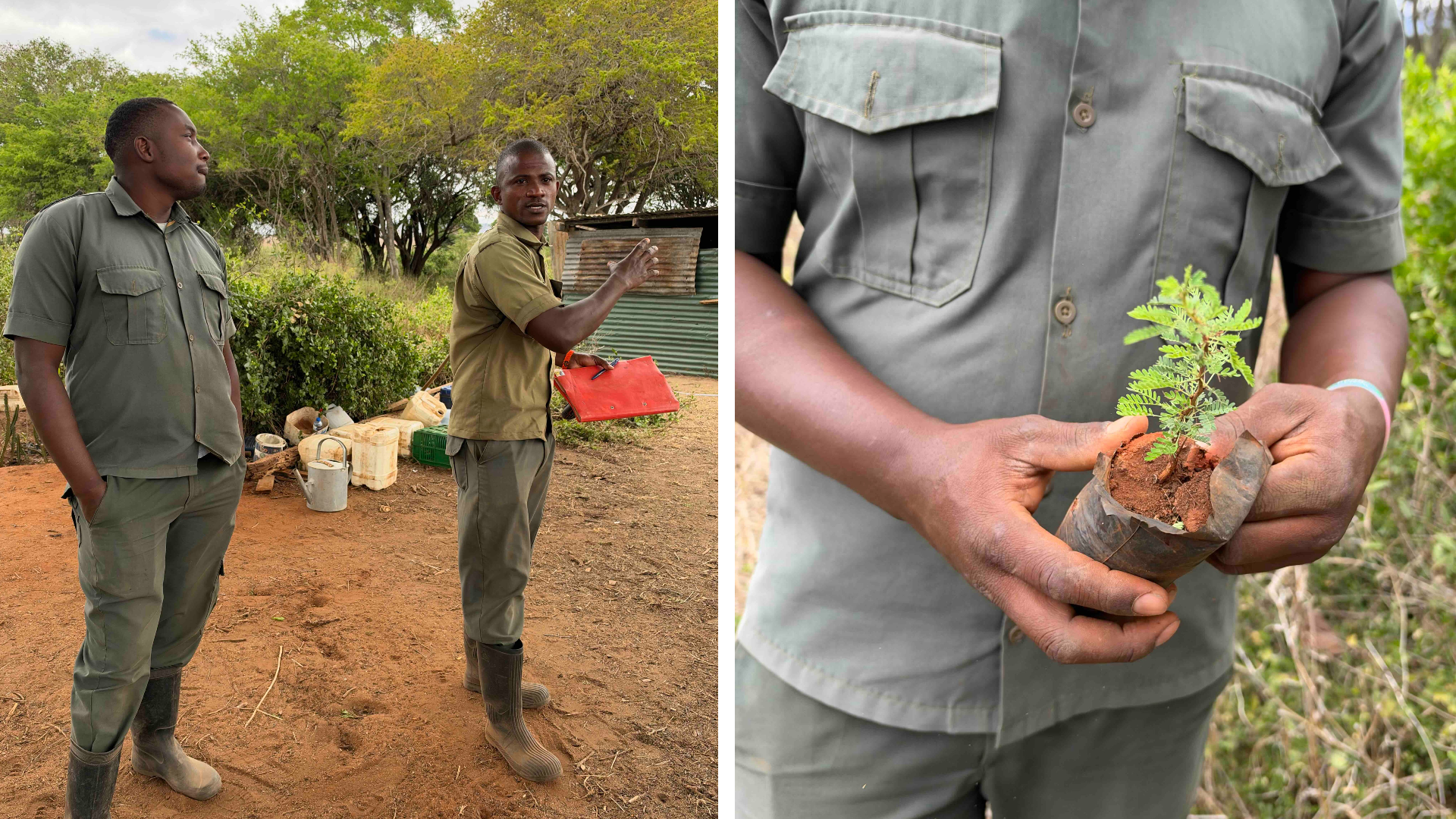
In Kenya, travellers on our rail itinerary also visit the Taita Hills Wildlife Sanctuary Reforestation project, where they can learn about efforts to restore habitats affected by bushfires, overgrazing and drought.
As a certified B Corp, we also publish our environmental and social performance annually to hold ourselves accountable. We know travel has an environmental footprint, and we don't pretend otherwise. For us, it's about taking responsibility for that impact and continuing to find better ways to explore the world.
Absolutely. Our local tour leaders receive training before they begin leading trips, and responsible travel is an important part of the standards and guidance that support our teams on the ground.
We have a global Responsible Travel Policy that covers everything from respecting local cultures and supporting communities to protecting wildlife and reducing environmental impacts. Our operations teams are responsible for putting those standards into practice through leader training, supplier management and ongoing monitoring.
Our leaders play such an important role in this. They're the ones helping travellers understand local customs, navigate sensitive environments and make responsible choices throughout their trip. It's one thing to have policies in place, but what really matters is how they're applied every day.

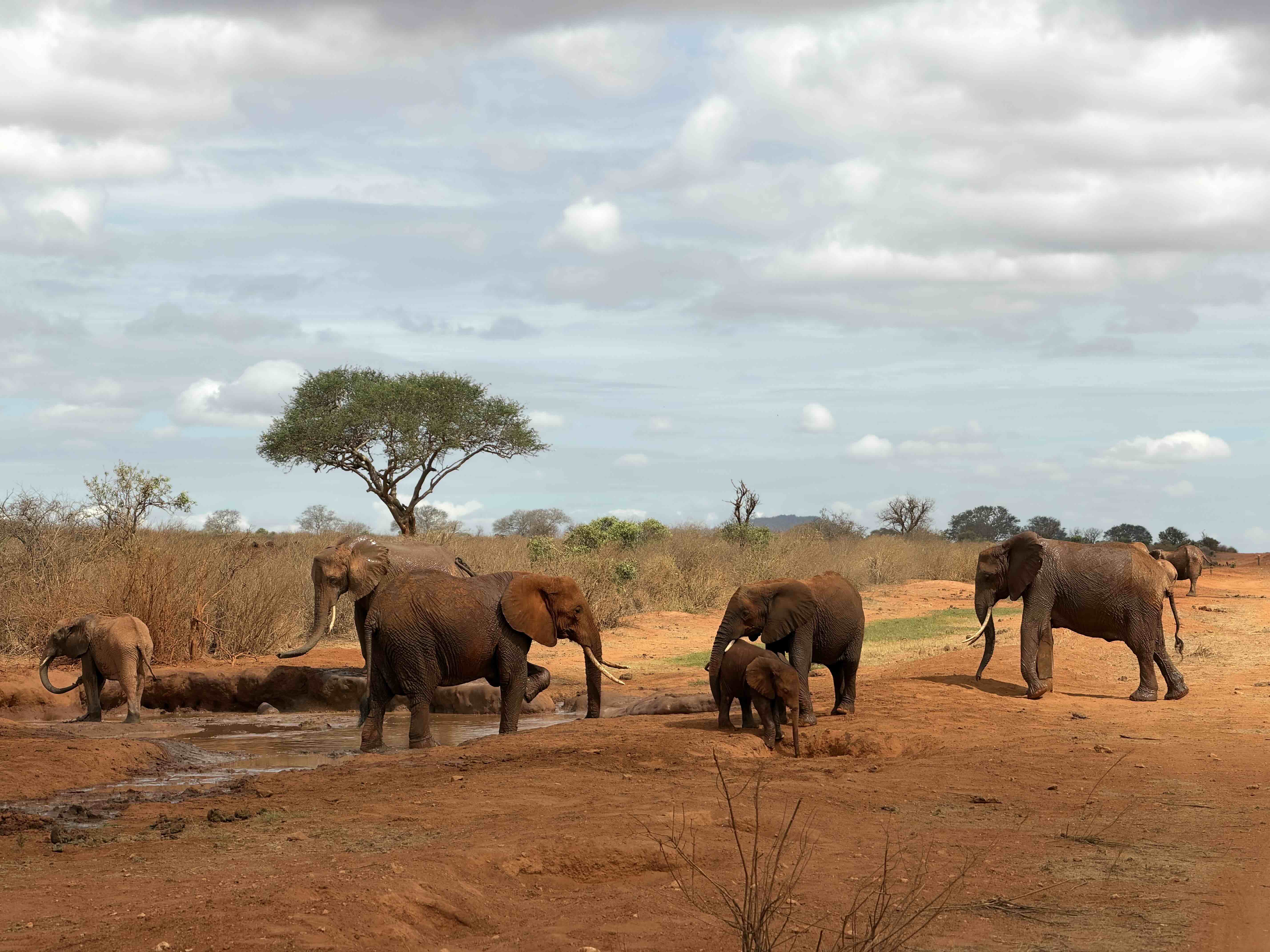
Wildlife welfare is a really important part of how we operate our safaris. Our teams follow Intrepid's Animal Welfare Policy alongside local national park and reserve regulations, with the guiding principle that wild animals should be able to behave naturally, without interference from visitors.
In practice, that means keeping a safe distance from animals, staying on permitted roads, respecting speed limits and avoiding overcrowding at wildlife sightings. Our drivers and guides must never chase animals, block their path or use a vehicle to influence their behaviour. Travellers are also expected not to feed, touch or try to attract wildlife, and to remain in their vehicles when required.
Our commitment to animal welfare goes back many years. In 2014, Intrepid became the first global travel company to ban elephant riding across all its trips, a decision that helped encourage wider change across the industry. We've continued strengthening our approach since then, including reviewing more than 140 wildlife experiences and removing those that didn't meet our standards. We've also worked with World Animal Protection to develop a free Animal Welfare Policy Toolkit, sharing what we've learned to help other tourism companies adopt more responsible practices.
Of course, seeing an elephant or lion in its natural habitat can be an unforgettable experience. But we believe the best wildlife encounters are the ones where animals can simply go about their lives, and we're there to observe respectfully.
This is really at the heart of how we approach travel. We believe the best way to understand a destination is through the people who call it home, and those connections often become some of the most memorable parts of a trip.
There's also an important economic side to it. Tourism can create meaningful opportunities for local communities, but only if they're involved in shaping the experiences and benefiting from them. That's why we work with local guides, locally owned businesses and community organizations to create experiences that reflect their knowledge and priorities.
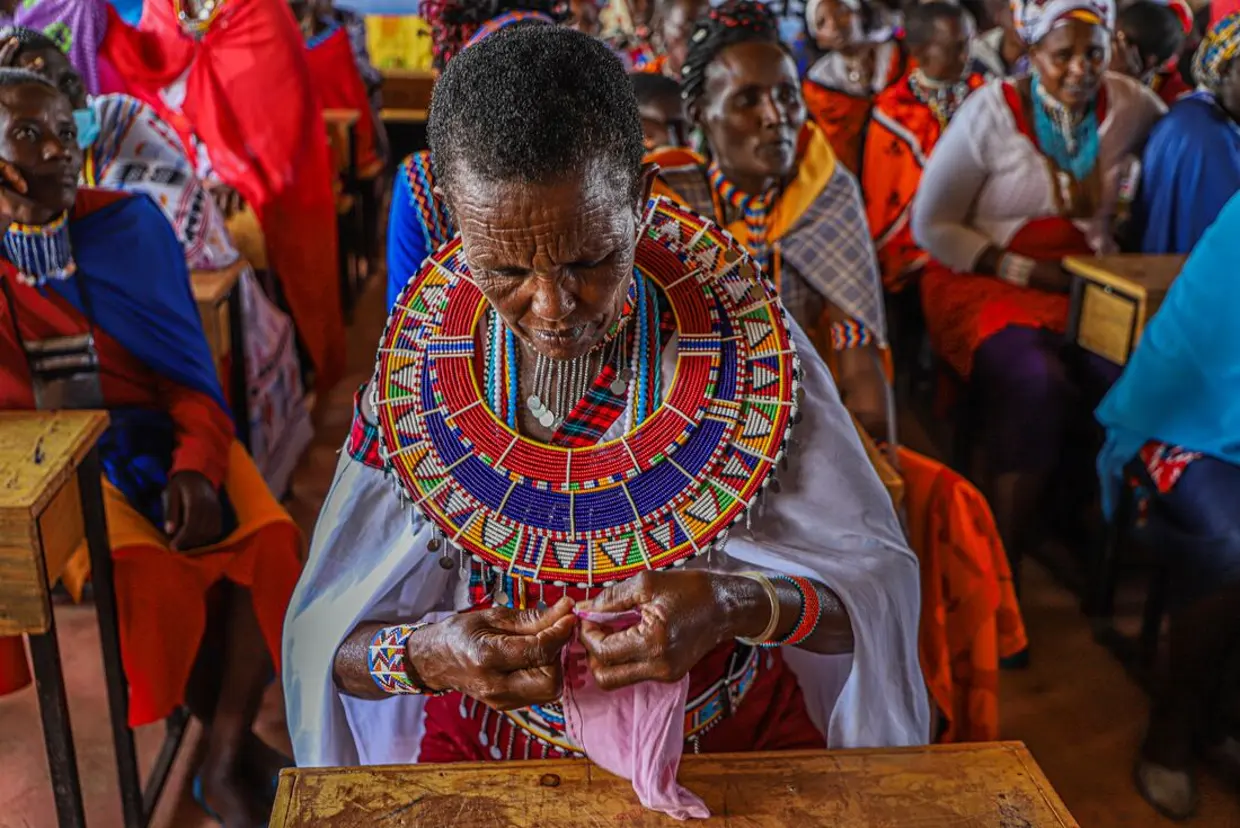
A great example, which you've already experienced firsthand on this Kenya trip, is Patinaai Osim, a Maasai-led organization supported by The Intrepid Foundation.

Through education, skills training and livelihood programs, the organization creates opportunities for Maasai women and girls, including helping women develop income-generating skills through sewing and beadwork. It's a great example of how tourism can connect travellers with community-led initiatives, while supporting local livelihoods and giving visitors a deeper understanding of the people and places they're visiting.
And this is increasingly important to travellers, too. Our 2026 Meaningful Travel Index found that 84% of Canadians believe it's important for their travels to positively impact local people and places.
Rail has actually been part of our trips for many years, but we launched a dedicated rail range in 2024 because we saw an opportunity to make the journey itself a bigger part of the travel experience.
There are two important reasons behind that decision. The first is environmental. Where it's practical, travelling by train can be a lower-carbon alternative to taking an internal flight, so expanding our use of rail is one of the ways we're working to reduce emissions across our itineraries. For example, on our Scenic Vietnam trip, replacing an internal flight with an overnight train reduced the trip's emissions per traveller per day by 12%, without extending the itinerary.

But it's also about the experience itself. When you travel by train, you're not just getting from one destination to another. You get to watch the landscape change, travel alongside local people and discover parts of a country you might otherwise miss.
We've continued building on that approach, such as our recent announcement of six additional rail journeys for 2026, including Kenya and Eastern Canada.
The Kenya trip you're on is a great example of why we're so excited about this style of travel. As you've already experienced aboard the Madaraka Express, travelling by train offers a different perspective on the country, with the chance to take in the changing landscapes along the way. And that's what makes this itinerary so special.
It combines the experience of travelling by rail with unforgettable wildlife encounters in Amboseli and Tsavo, opportunities to connect with local communities and time on the coast. The journey becomes just as much a part of the adventure as the destinations themselves.
Of course, taking the train doesn't make a trip impact-free, especially when travellers are flying internationally to reach a destination. But where rail replaces more carbon-intensive transport, it's a practical step we can take to reduce our environmental footprint, while making the travel experience even richer.
The response has been really encouraging. Since launching our dedicated rail range in 2024, we've seen growing interest in this slower, more immersive style of travel, and that has translated into bookings.
In July 2025, we reported a 24% year-on-year increase in bookings across our rail range. We also expanded the collection to 50 trips at that time, including six new itineraries introduced for 2026.
I think what's particularly interesting is that travellers aren't necessarily looking at trains as just another form of transportation. They're increasingly recognizing that the journey can be as memorable as the destination itself.
For us, that reinforces why rail is such a natural fit for Intrepid. It brings together a more immersive way to explore, opportunities for local connection and, where it replaces flying, a way to reduce the environmental impact of getting around.
There's also the convenience of doing it with a small group and a local leader who takes care of the logistics, particularly when you're navigating unfamiliar rail networks.
With a trip like Kenya by Rail, I think there's a really interesting combination. You have the excitement of seeing wildlife on safari, but also the opportunity to slow down and discover a different side of the country. It appeals to people who want to experience more than just the highlights, and who see the journey as an important part of the adventure itself.
Our itineraries are carefully developed by Intrepid's global Experiences team, working closely with our local destination management teams and experts on the ground. This collaborative approach brings together an understanding of what travellers are looking for with deep local knowledge of each destination.
When developing a new trip, the team considers everything from emerging travel trends and traveller feedback to the communities, experiences and local businesses that make a destination unique. They work closely with local guides, suppliers and community partners to identify experiences that go beyond the typical tourist trail and create opportunities for travellers to connect more meaningfully with the places they visit.
I’d say some of the biggest excitement has been around the new trips featured in our 2027 Not Hot List, which we launched in September. The list is all about encouraging people to look beyond the usual tourist hotspots and discover lesser-known places that offer a different perspective on the world.
A great example is our 16-day Wild Canada & Alaska: Vancouver to Anchorage trip, which sold out in just about a month after being announced through the list. Whitehorse was featured and is a highlight of this itinerary. Travellers get to explore the destination with Amber Berard-Althouse, a Tlingit guide from the Kluane First Nation, who leads a walking tour sharing local history, culture and what life in the Yukon looks like today.

This is the first time our trips visit the Yukon and we launched with one departure for this trip. That's very intentional. We don't want to overwhelm lesser-visited destinations with too many visitors. Instead, we want to build relationships with local communities, understand what's right for them and test whether there's demand. And we've certainly seen that demand!
We're seeing similar interest in other new trips inspired by the Not Hot List, including our Kenya Safari Adventure, Hike Sri Lanka's Pekoe Trail and Trek the Trans-Caucasian Trail in Georgia. It also reflects what we're hearing from travellers more broadly. Our 2026 Meaningful Travel Index found that 81% of Canadians want to visit places less featured on social media. I think these new trips really tap into that shift.
When we think about spreading the benefits of tourism, it's not just about shining a light on places people may never have heard of. It's also about looking at well-known destinations that travellers might think have been fully explored, but where there are still so many places to discover just a little further off the beaten track.
Kenya is a great example of that. Safari tourism is hugely popular, but visitors tend to concentrate in a handful of well-known national parks and reserves, particularly the Maasai Mara, which attracts more than 300,000 visitors a year. Samburu National Reserve, by comparison, welcomes just 30,000–40,000 visitors annually – roughly one-tenth of the visitors heading to the Maasai Mara.
We wanted to introduce travellers to this lesser-visited part of Kenya, where they can experience incredible wildlife, including the rare Samburu Special Five (reticulated giraffe, Grevy's zebra, Somali ostrich, Beisa oryx and gerenuk), learn about Samburu culture and traditions, and help spread the economic benefits of tourism to another part of the country. Our new 10-day Kenya Safari Adventure brings both sides together, combining the iconic Maasai Mara with two days exploring Samburu.
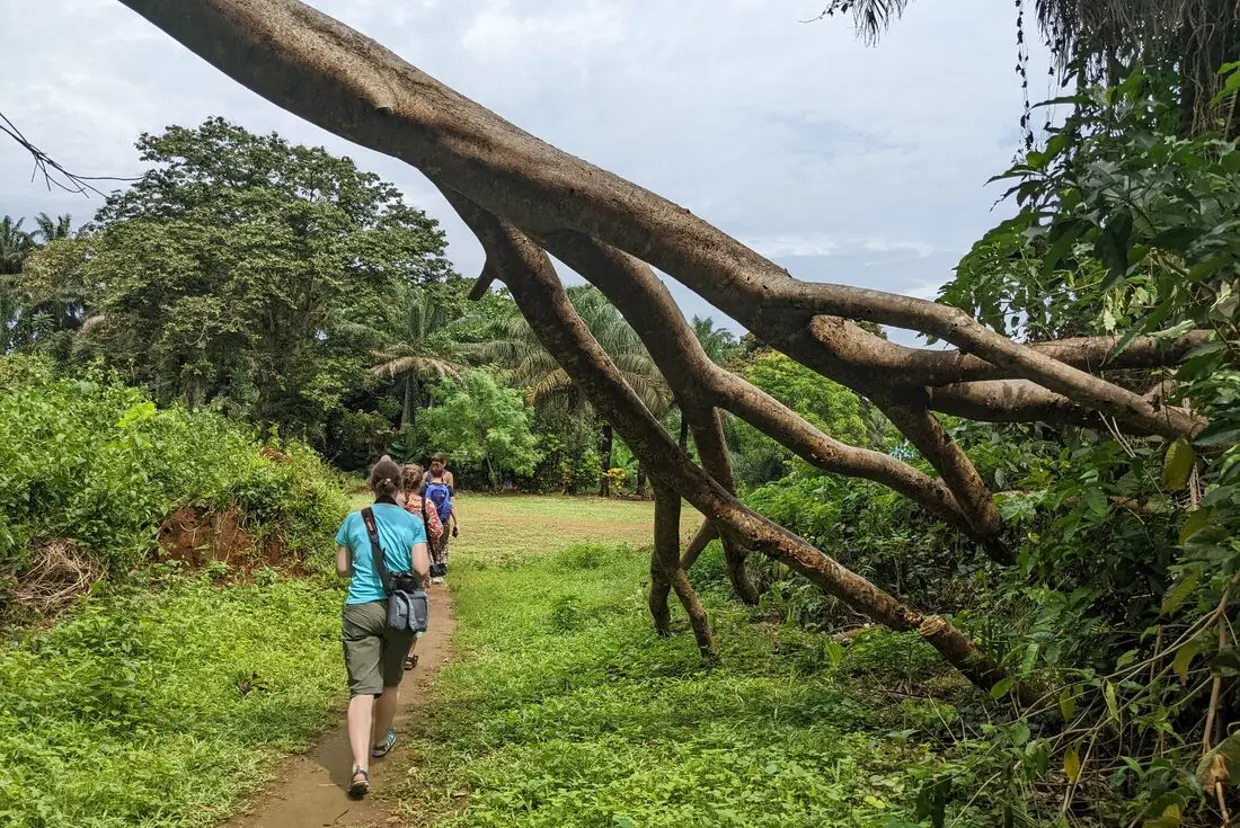
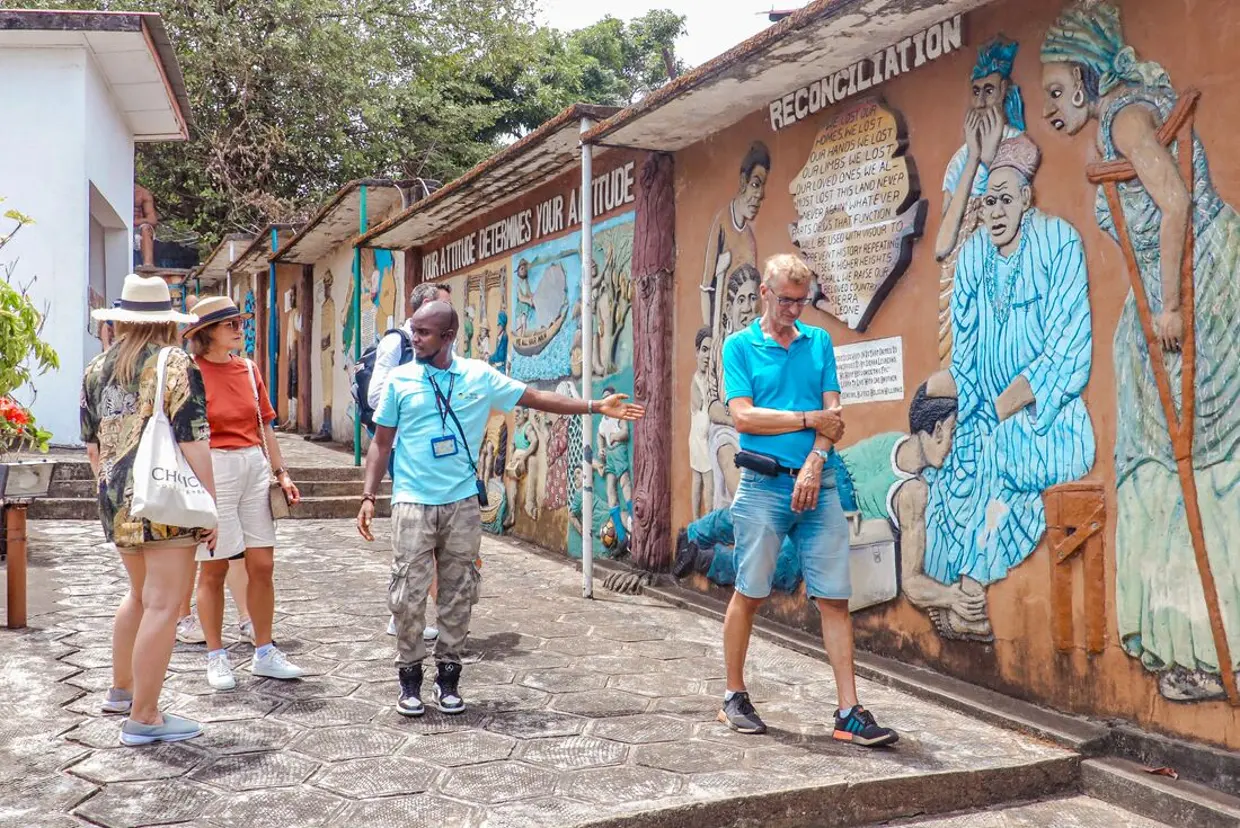
I think part of the appeal is the story of the tides turning in Sierra Leone. It's a country that hasn't traditionally been associated with tourism, but that's beginning to change, with new tourism infrastructure making it easier for travellers to experience what it has to offer. There's a real sense of a destination coming into its own, and that in itself is intriguing for travellers looking for somewhere beyond the usual routes.
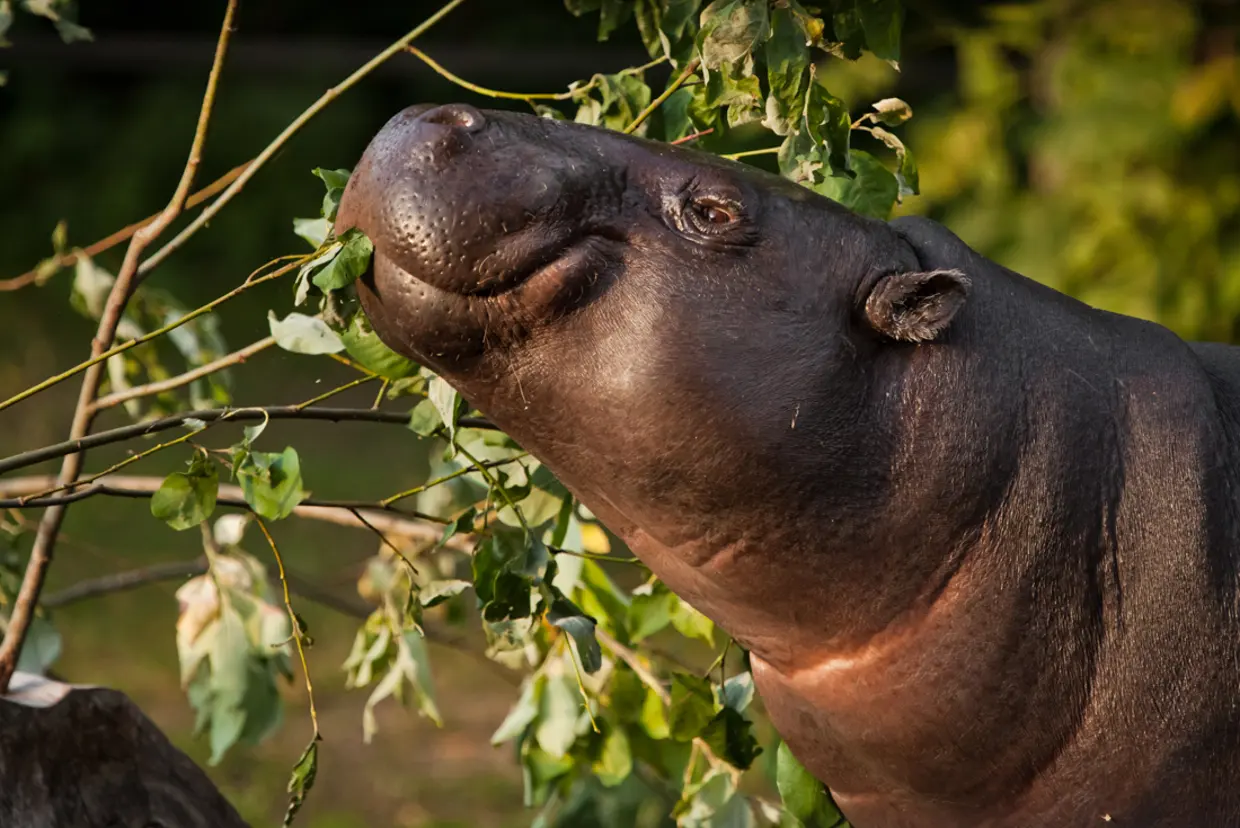
One of the highlights is Tiwai Island, which was inscribed as a UNESCO World Heritage Site in 2025, and that kind of recognition is bound to draw interest. It's an extraordinary pocket of rainforest biodiversity, home to 11 primate species, including chimpanzees, rare Diana monkeys, and red colobus, as well as the elusive pygmy hippo. It's a remarkable wildlife experience that many travellers may not realize Sierra Leone has to offer.
What's equally special is the community-led approach to tourism. Revenue generated on the island is reinvested into eight surrounding villages, supporting local infrastructure, schools and healthcare. So travellers can experience an incredible natural environment while supporting the communities who have called it home for generations.
Our new eight-day Sierra Leone Adventure: History, Culture & Nature brings these experiences together, giving travellers the chance to explore the country's wildlife, history and culture, while seeing a destination that's beginning to open up to tourism.
Absolutely. Exploring lesser-known destinations and finding new ways for travellers to experience places beyond the traditional tourist trail is an important part of Intrepid's approach to product development.
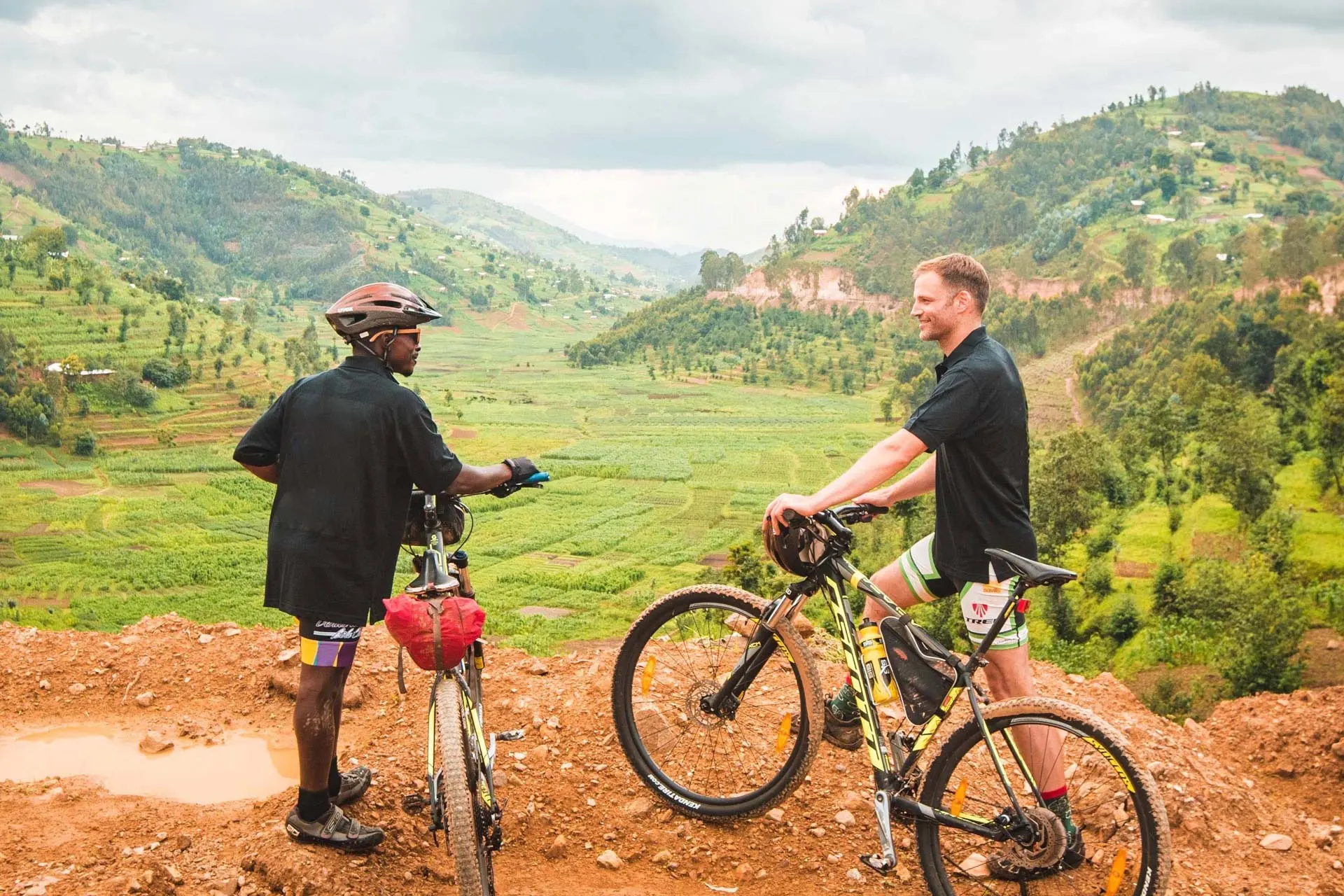
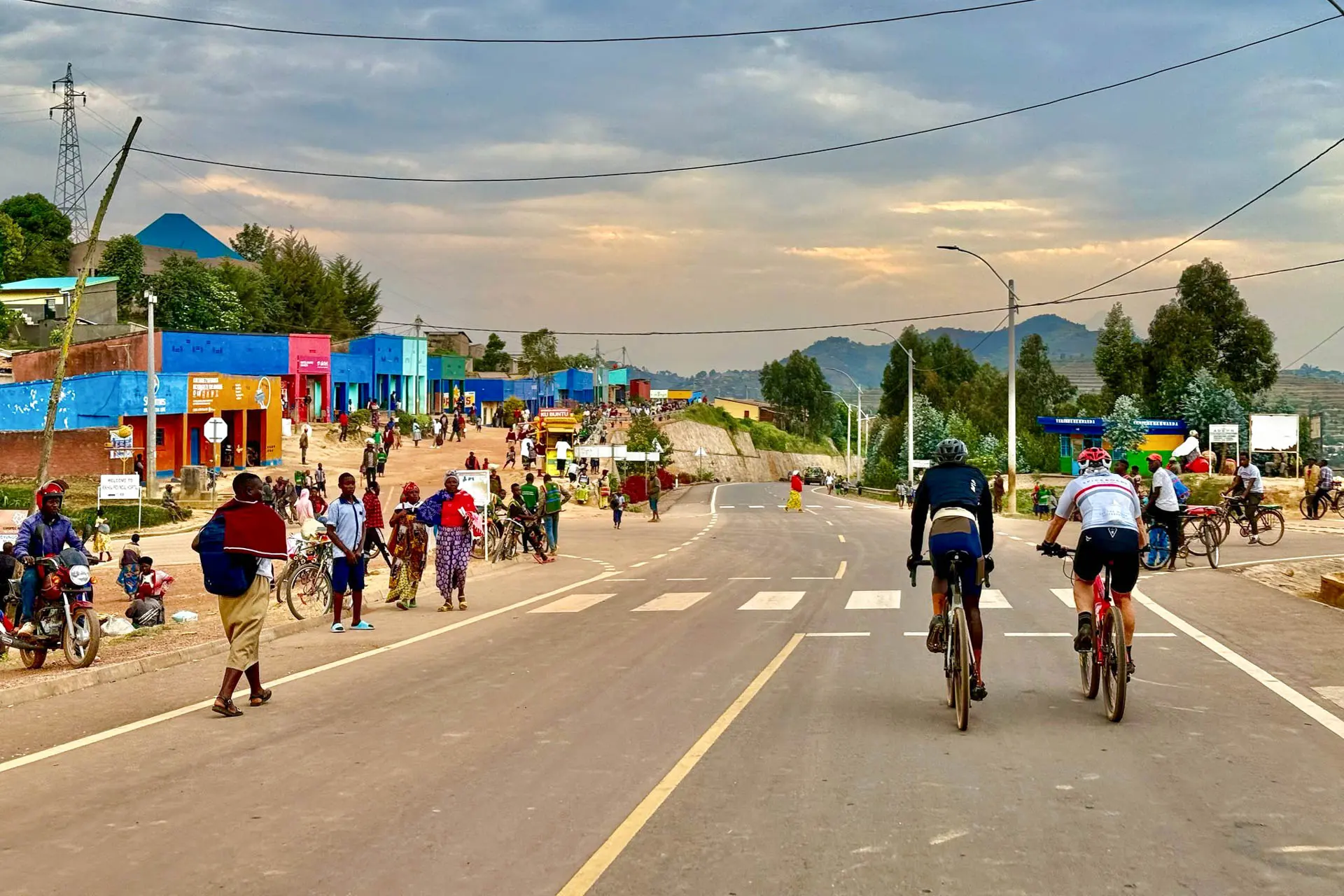
Hot off the press for 2027, we just launched our new 11-day Cycle Rwanda Expedition, a completely new active adventure that explores the country on two wheels. The route takes cyclists along a mix of paved roads and gravel tracks, passing through rural villages and dense forests, while incorporating sections of the famous Congo Nile Trail and the route used for the UCI Road World Championships.
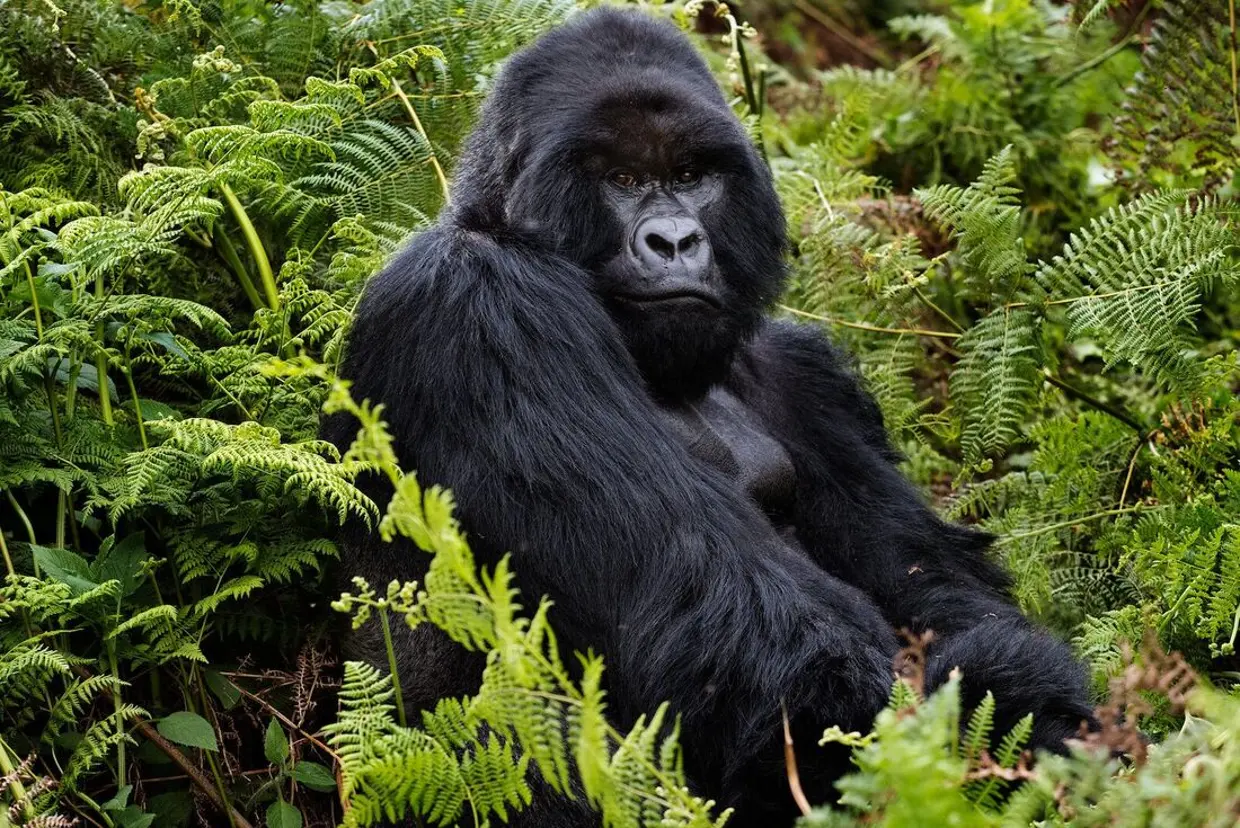
Rwanda is a great example of the kind of destinations and experiences we're looking to bring to travellers. Beyond its better-known attractions, the country offers incredible landscapes, culture and opportunities for active exploration. We're always looking at where we can develop new itineraries, work with local communities and partners, and introduce travellers to destinations they may not have previously considered.
Don't miss a single travel story: subscribe to PAX today! Click here to follow PAX on Facebook.