We use cookies on our website.
Some of them are necessary for the functioning of the site, but you can decide about others.

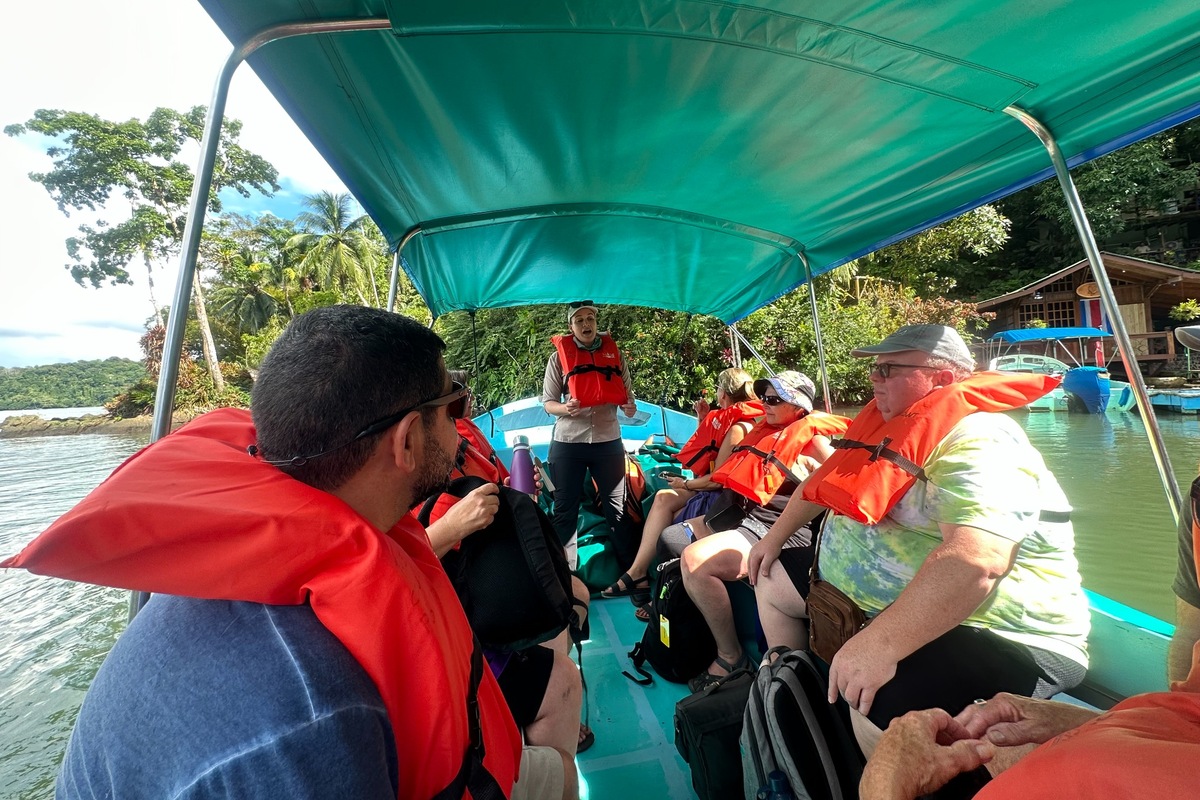
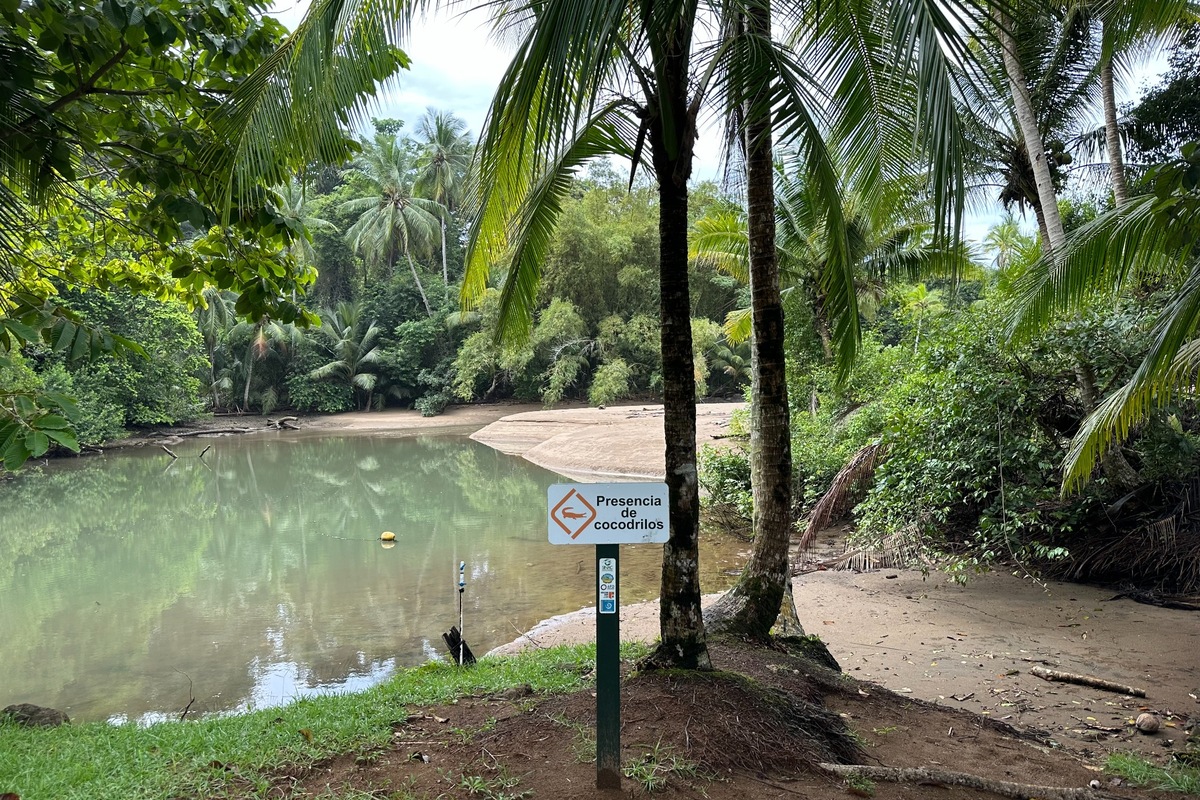
Wading through the water toward the bobbing panga boat, I prayed I wouldn’t lose my footing or drop my bag filled with electronics. Jimmy Tosso, our tour guide, had advised us to wear waterproof shoes for the boat transfer to our accommodations. But I quickly learned that flip flops weren’t up to the task. Going barefoot felt more stable, as I mentally timed the incoming tide.
Despite my initial nervousness, I discovered that the journey to and from Costa Rica’s remote water-access-only resorts isn’t a logistical hurdle, but a captivating way to start and end a memorable adventure.
In the Central America country, the sun peeks through breaks in palm leaves and towering canopy trees, illuminating the lush rainforests of countless shades of green that house wildlife like howler monkeys, parrots, toucans, anteaters and sloths – along with hundreds of thousands of plant and animal species. Unspoiled beaches meet the warm waves of the Caribbean Sea or the Pacific Ocean, where surfers carve through rolling breaks.
Travel advisors have long positioned Costa Rica as a go-to for nature lovers and adventure seekers – those craving a more storied, raw and authentic experience than what a typical all-inclusive vacation provides. During a recent FAM trip, the perpetual sense of discovery found in Costa Rica – from exotic wildlife to rich culinary traditions – became an increasingly apparent theme.
Our journey took us from San José, the country’s capital and largest city, on a Cessna flight and a boat ride to Drake Bay and the Osa Peninsula. Another boat transfer then brought us along the mangroves of Sierpe back toward the mainland, where we continued north up the Pacific coast to Manuel Antonio before returning to San José.

Luxury in Costa Rica doesn’t always mean grand hotels or traditional resort glamour. It can mean privacy, exceptional service and immersive natural surroundings.
Think open-air suites overlooking the rainforest, private plunge pools surrounded by tropical foliage, outdoor rainforest showers, wellness treatments infused with local ingredients and personalized excursions led by knowledgeable naturalists. Costa Rica’s boutique resorts offer opportunities to create a more intimate style of luxury – one that balances high-touch service with a genuine sense of place.
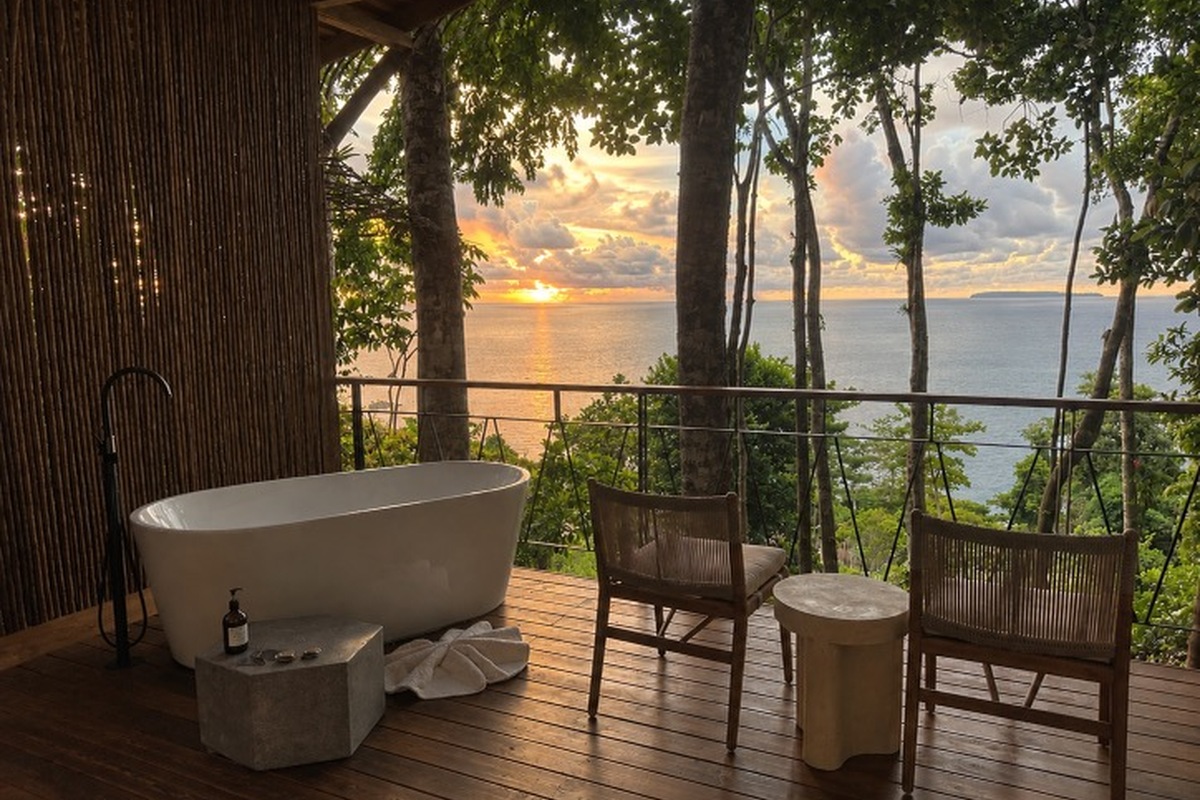
On Drake Bay’s remote Osa Peninsula – which is located along the southern Pacific coastline and harbours 2.5 per cent of earth’s biodiversity – sits Corcovado Wilderness Lodge (by SCP), a 30-suite eco-luxury property accessible only by boat. Tucked away on the fringe of the untamed and biodiverse Corcovado National Park, the lodge offers beautifully crafted rainforest villas, ocean-view treehouse-like suites with outdoor soaker tubs and showers, farm-to-table culinary programs and direct trail access into primary rainforest.
The best way to position Corcovado Wilderness Lodge is not as a hotel stay, but more of an expedition. The adventure begins with the wet-landing arrival itself – where you exit the boat and wade into shore – followed by a tracker ride up a winding hill (on either “Limo One” or “Limo Two”), and continues through guided hikes in the park with resident biologists and ocean excursions through Drake Bay. Serene spa treatments and sunset dinners juxtapose the active adventures and the layered sounds of the jungle replace the noise of a bustling hotel.
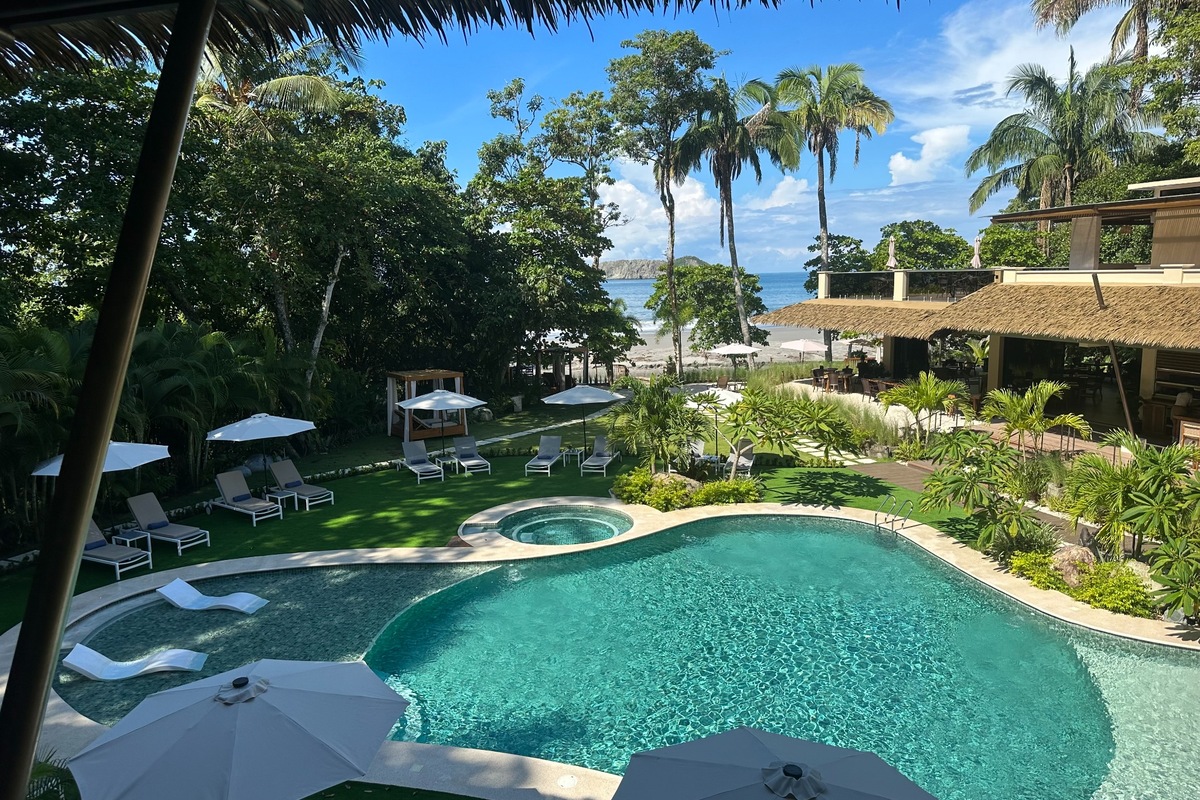
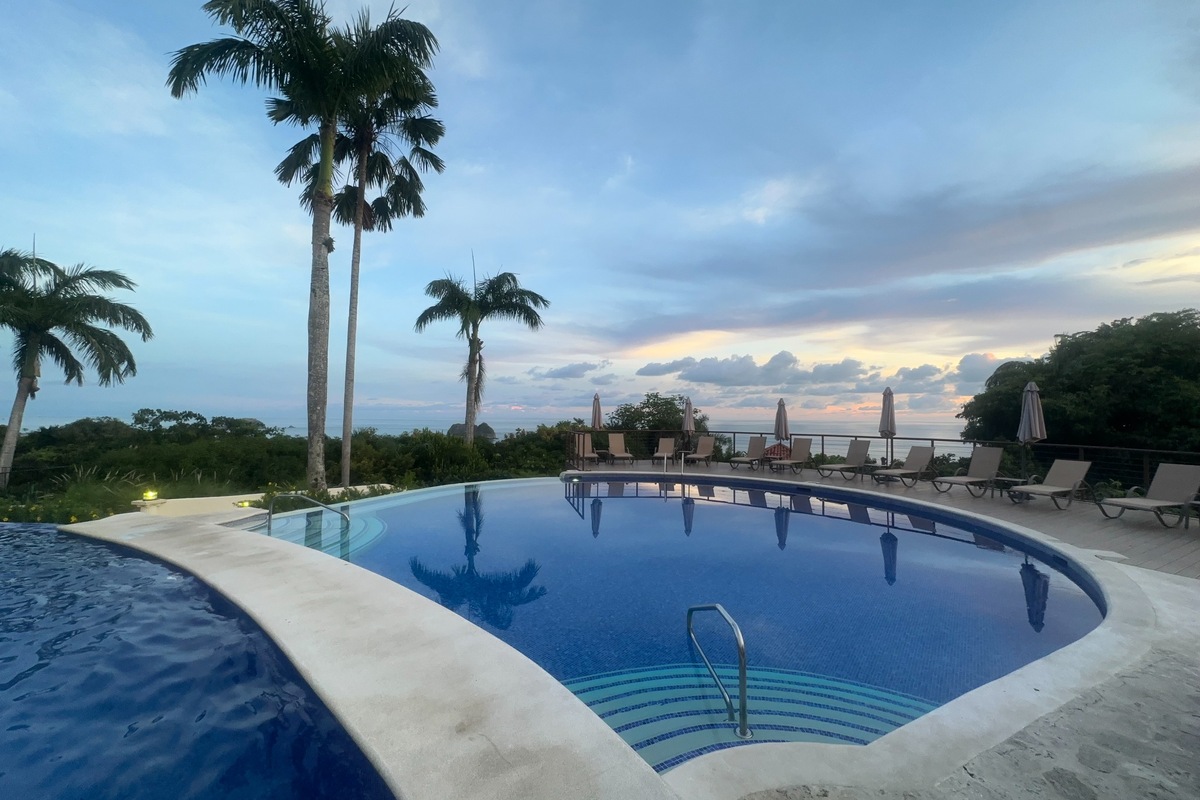
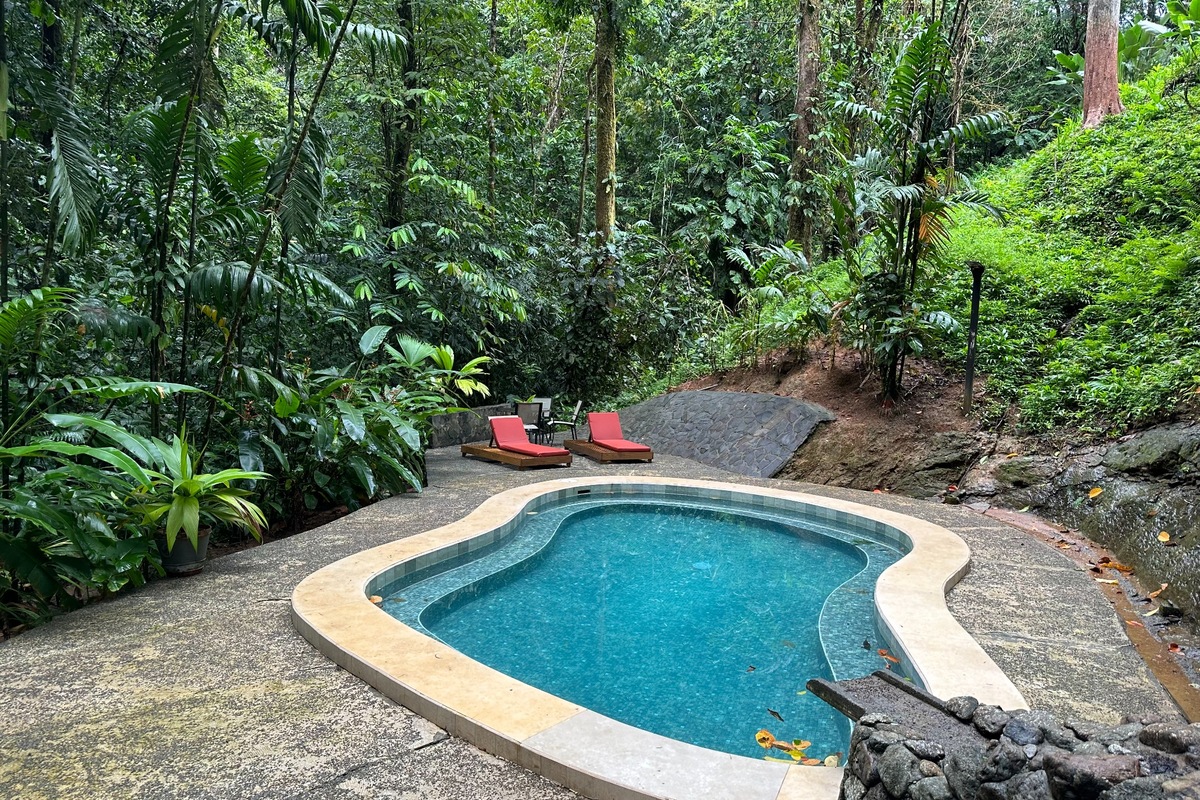
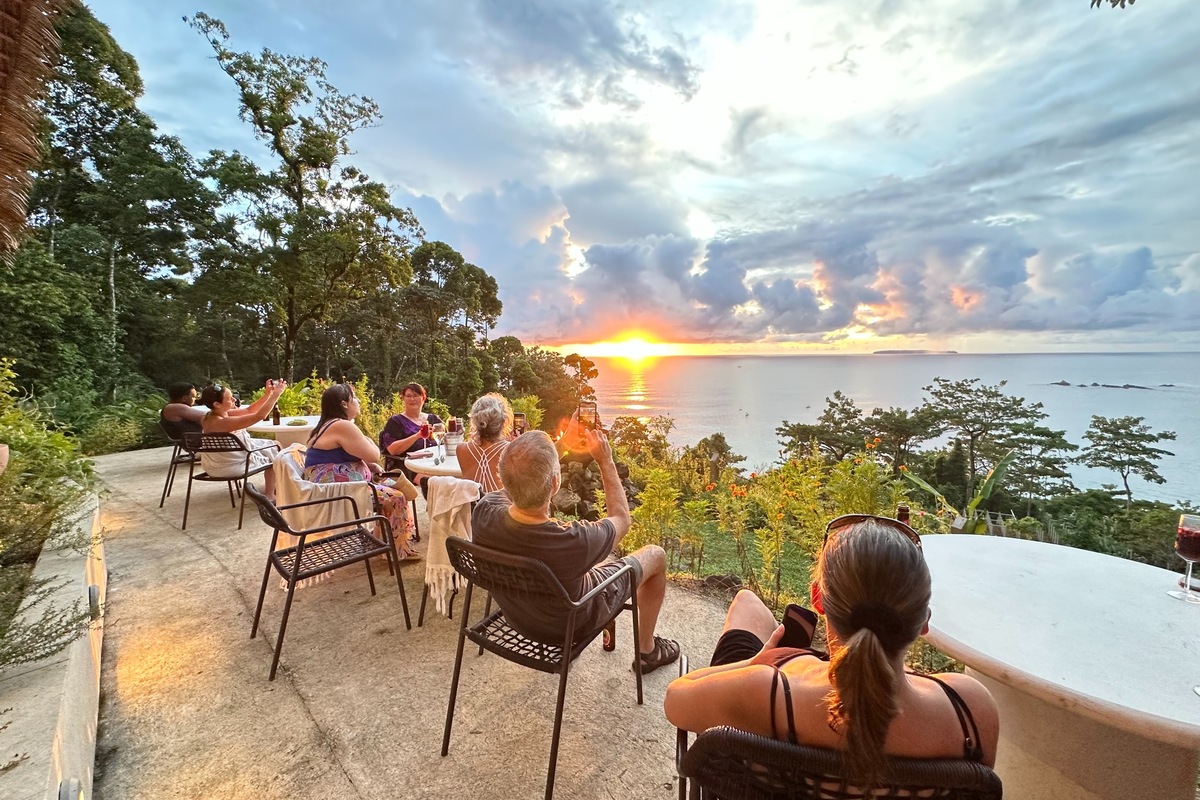
Corcovado Wilderness Lodge offers a true sense of peace. It’s common to have the swimming pools – which include a main pool lined with chic loungers and a smaller spring-fed pool surrounded by dense rainforest – all to yourself. Meals are slow-paced, intimate and designed to be savoured. So are the reliably stunning sunsets and ocean views at the Terra Kitchen restaurant – the best spot to enjoy a late afternoon cocktail.
“I would recommend SCP Corcovado Eco Lodge for those clients with a healthier budget, maybe for special occasions like a honeymoon,” says Anita Gray, owner at Bliss Travels, who was on the FAM. “It’s best for active adults who are able to experience the unique way of arrival and visit the amazing Corcovado National Park for wildlife viewing. They can enjoy unguided day hiking trails and then take in the magnificent sunset with a cocktail. The rooms with the beautiful ocean views read romance all over them.”
Nearby, perched on a rainforest bluff overlooking the mouth of the Aguitas River, Aguila de Osa Rainforest & Marine Adventure Lodge is another remote Drake Bay accommodation only accessible by boat. Offering a simpler and more rustic homebase for active adventure enthusiasts, the lodge foregoes a swimming pool, spa or gym. Its spacious hillside rooms feature native hardwood finishes, open-air screened windows, porches, rocking chairs, hammocks and soothing views of Drake Bay.
Owner Bradd Johnson – an avid fisherman and diver originally from the United States – fell in love with Costa Rica in the 1980s and opened Aguila de Osa in 1992. “I want people to hear the waves of the ocean and the sounds of the jungle at night and the birds in the morning – sometimes you can hear 20 different species of birds,” he says of the guest experience at the 13-suite lodge.
At Aguila de Osa, guests can bring their catch from fishing excursions back to the lodge for a true ocean-to-table experience enjoyed in the open-air Great Room overlooking the water, where guests gather for communal meals and play board games. Snorkelling, scuba diving, birding and whale watching are also big at this spot. Kayaks sit waiting for guests to use. Various packages are available that include excursions, with the average stay about three days, according to lodge manager Ronald Ramirez.
“It’s for nature lovers – you must love nature to stay here,” he says. Ramirez references the region’s intense heat (there is no air conditioning) and the property’s multiple stairs and inclines, which aren’t suited for everyone.
While remote water-access-only luxury resorts are relatively rare in Costa Rica – concentrated primarily in the Osa Peninsula and Tortuguero – the concept of adventure-as-arrival spans both coasts. On the Caribbean slope, for example, at Pacuare Lodge – a Michelin Guide-recognized luxury eco-hotel on the banks of a white-water wonder, the Pacuare River – most guests opt to white water raft through the river to the lodge to check in.
Whether checking in via panga or river raft, the commute is part of the luxury at these hidden slices of paradise.
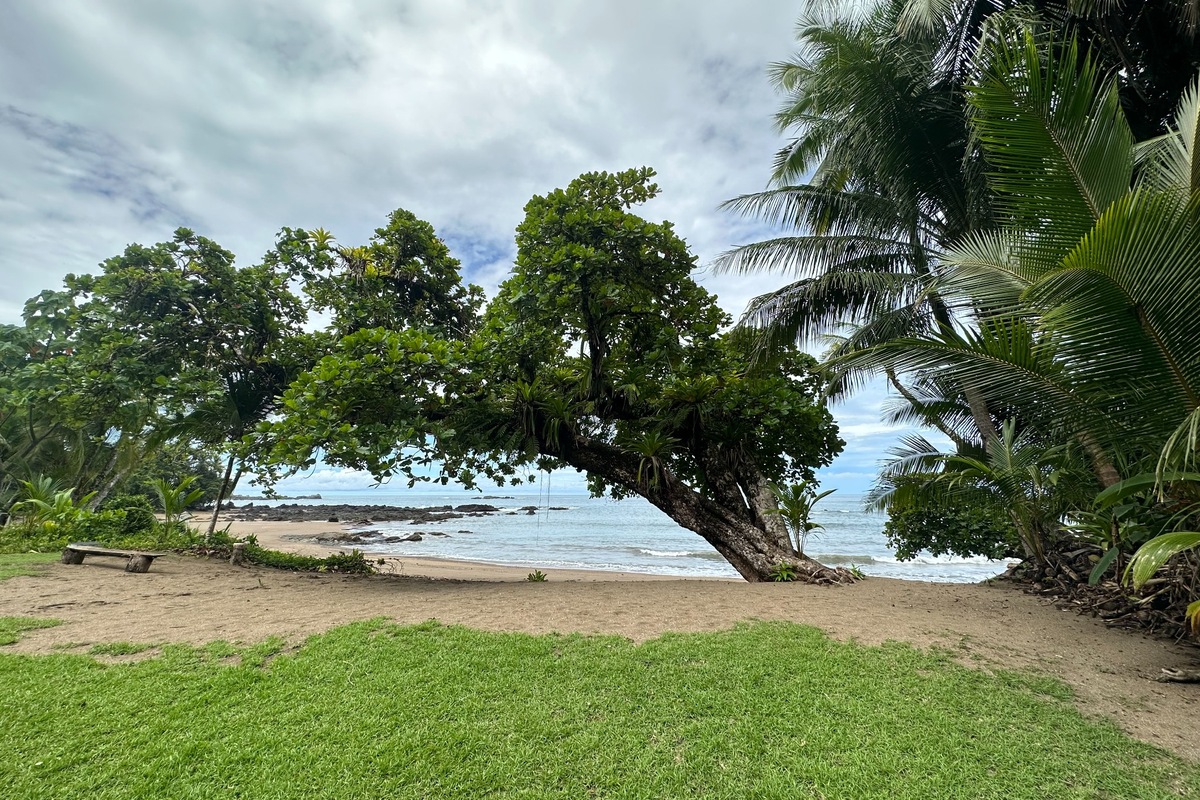
In coastal town Manuel Antonio, dramatic rainforest meets the sparkling water of the Pacific Ocean. It sits in Costa Rica’s Central Pacific region, about a three-hour drive from San José airport. With a more intimate, laid-back atmosphere compared to Costa Rica’s larger resort destinations, Manuel Antonio offers accessible wildlife experiences, stunning beaches and accommodations that range from boutique hotels and eco-lodges to five-star luxury resorts.
Manuel Antonio’s crown jewel is Manuel Antonio National Park. Despite being one of Costa Rica’s smallest national parks by land mass, it consistently ranks among the country’s most visited and biodiverse protected areas.
Here, a primary jungle with stunning lookout points cascades down to ivory-sand beaches. Hikes are accessible – with raised boardwalk-like paths – and often reveal monkeys, sloths, iguanas, colourful birds and bright-orange Halloween crabs. The park’s pristine beaches make for an unforgettable post-hike reward. Tosso warns us to be careful with our belongings at the beach; the local monkeys have been known to snatch them up. Reservations are required to access the park and guided tours are available.
On the vibrant street outside the park, shops sell crafts, T-shirts, beach sarongs and locally-made jewellery, while open-air beach bars blast Bob Marley and serve cold beer.
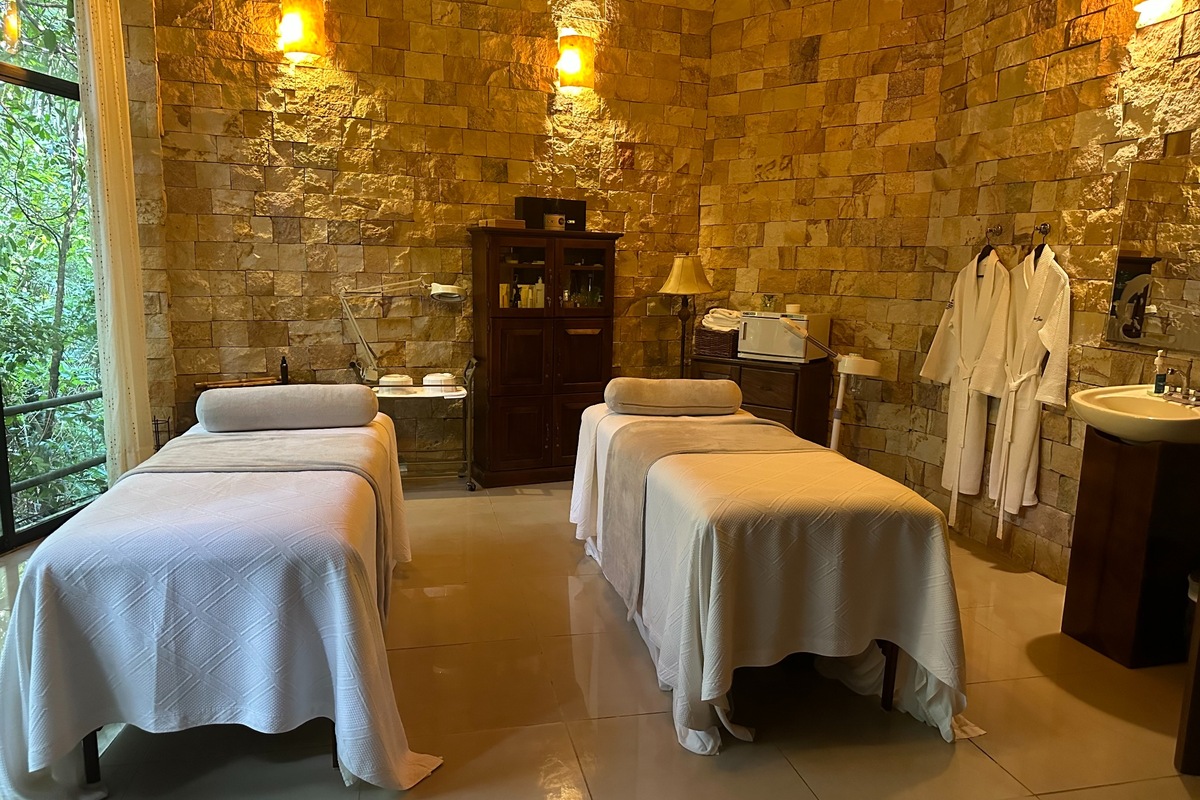
Located right outside the park’s gates, San Bada Hotel is an exceptional home base for exploring the park and Manuel Antonio Beach. Here, many of the 67 guest rooms come with jungle or ocean views. The hotel features two pools, a rooftop bar with panoramic sunset views over the Pacific and an all-you-can-eat sushi bar. A draw for the wellness-seekers, the hotel’s unexpectedly substantial Sana Spa features a dramatic, almost cave-like atmosphere with a natural earthy and stone-heavy design.
The upper-midscale San Bada Hotel is best suited for location-focused travellers, active adults and wildlife enthusiasts who prioritize direct access to the park’s gates over remote isolation, pairing convenience with post-hike wellness.
San Bada’s reservation manager, Elizabeth Hernandez, says the hotel sees everyone from groups of university students and multi-generational travellers, to honeymooners, with the average stay two to four days. “Christmas travellers return year after year,” says Hernandez, who also notes a recent increase in Canadian guests.
Just a 10-minute drive down the coastal bluff, Parador Nature Resort and Spa offers a more expansive luxury resort experience perched high above the ocean. The 130-suite property features multiple infinity pools, fine dining and 12 lush acres of surrounding rainforest with sweeping ocean views.
Ideal for families with higher budgets, multi-generational groups or romance-seeking couples, the eco-luxury property strikes up an appreciated balance: kids can enjoy mini-golf, arcade games and family-friendly pools, while couples can retreat to an adults-only pool, private wine cellar dining and their expansive ocean-view suites. Guided by a strong conservation ethos, the resort’s private jungle trails offer some of the region’s best sloth and monkey sightings.
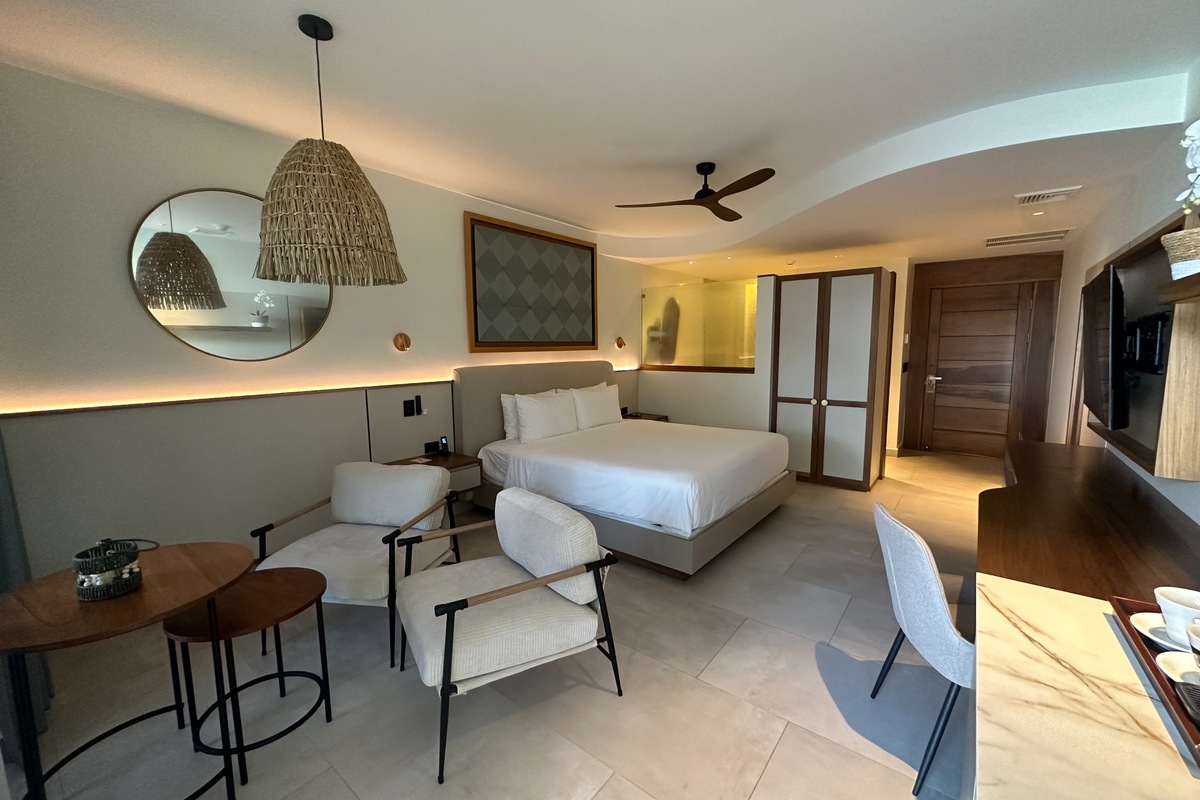
For clients seeking an exclusive sanctuary, Parador’s new adults-only sister property, Miamar, serves as an idyllic couples’ retreat along Playa Espadilla. Sitting on the ocean, the intimate hotel – which opened its doors spring 2026 – offers 14 sleek luxury suites, with those on the ground level featuring direct access to a plunge pool.
In terms of amenities, the hotel features a pool and elegant beachfront restaurant with a bar – where specialities include ceviches and seafood – but its appeal is in its sophisticated simplicity. Guests enjoy the benefit of a private beach retreat and complimentary shuttles to Parador (a five-minute drive away), where they can take advantage of the larger eco-resort’s amenities.
Together, San Bada, Parador and Miamar highlight Manuel Antonio’s ability to serve vastly different client profiles in a single coastal destination.
The foodie set looking for immersive culinary experiences can find them throughout Costa Rica – from cooking classes and home-cooked meals in the homes of locals, to coffee and chocolate tours.
At Café Britt, located about a 40-minute drive north from San José, Luis Diego Quesada has been a coffee tour guide for over 20 years and is also a high school teacher. Diego’s interactive tour weaves his charming humour and storytelling into a deep dive on the art of coffee production as he leads us through lush, shaded coffee gardens.
Diego explains Costa Rica’s coffee regions, the best conditions to grow coffee and more as he traces the journey of the coffee bean from cherry harvest to roasting. Guests walk through the plantation, tour the roastery and take part in an interactive cupping session to learn how experts analyze the body, aroma and flavour profiles.
“A good coffee is always drinkable – it’s easy on you,” says Quesada. “The best coffee is the coffee you love, but the consumption method is also important: is it for fuel, digestive purposes or to enjoy over gossip?”
For travel advisors building itineraries, a stop at Café Britt offers a seamlessly packageable day excursion – easily paired with the nearby Poás Volcano, La Paz waterfall or the lush cloud forest trails of Braulio Carrillo National Park – that grounds travellers in Costa Rica’s rich heritage before or after their rainforest adventures.
Equally compelling for food-focused clients are Costa Rica’s bean-to-bar chocolate tours and workshops found across the country.
Pairing chocolate with an adrenaline rush, we hit Vista los Sueños Adventure Park in Herradura on our way back to San José. After a morning spent on the property’s ziplines (a must-do in Costa Rica), which guide guests across 10 cables and 12 platforms, we did the Chocolate Experience. The interactive tour walks visitors through cacao trees before letting them shell roasted beans with a traditional mortar and pestle, grind them into cocoa and sample fresh chocolate and chocolate-covered strawberries. The park offers combo packages that make for ideal day trips.
To maximize these culinary offerings, travel advisors can package regional food circuits into broader eco-adventures.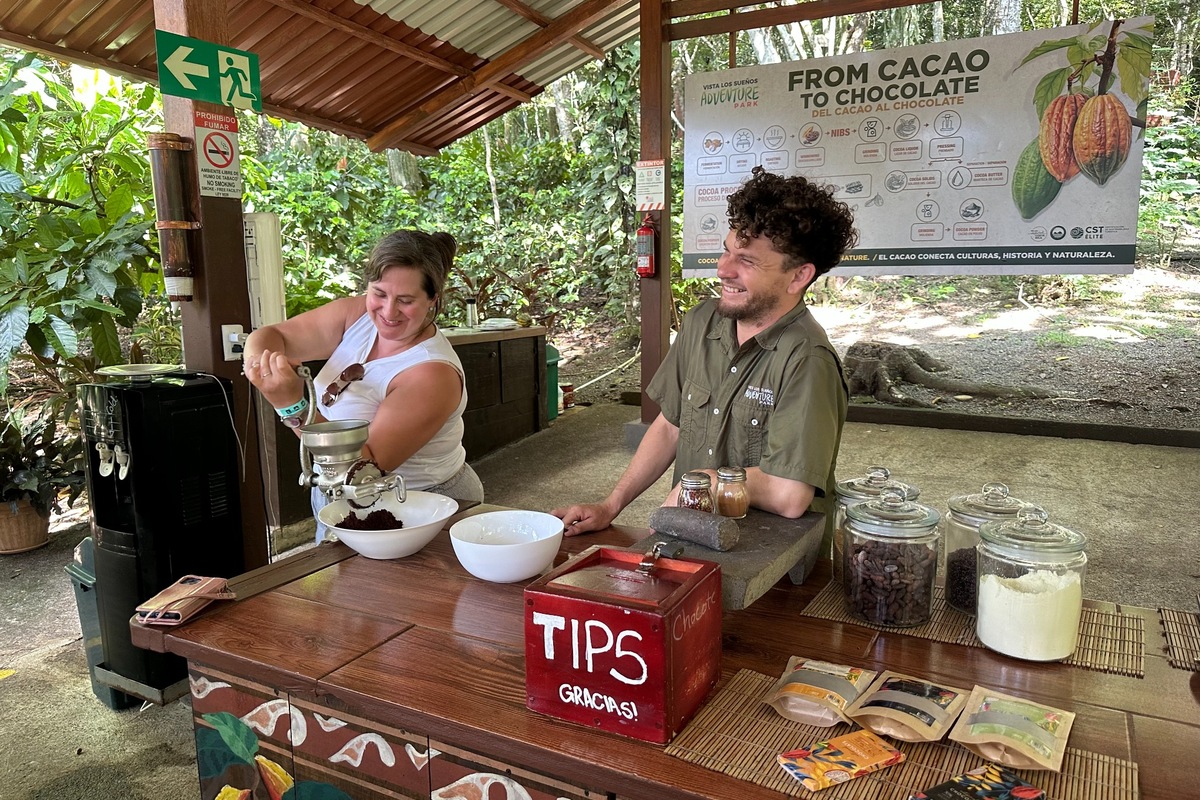
With sustainability front and centre in Costa Rica’s tourism industry, selling the country comes with a clear conscience. The destination is especially well-positioned to serve clients whose travel choices reflect their values.
Conservation, biodiversity, community empowerment and environmental stewardship are central to Costa Rica’s tourism identity. This creates the opportunity to build itineraries around meaningful experiences rather than just sightseeing and adventure-seeking.
Travel advisors can incorporate guided wildlife encounters, visits to conservation initiatives, locally-led cultural experiences on family-run farms, farm-to-table dining and plantation visits that celebrate the local heritage.
In Costa Rica, tourism is increasingly moving beyond traditional sustainability – which aims to minimize environmental harm – toward a regenerative model designed to actively restore ecosystems and uplift host communities. Through everything from tree-planting and canopy sloth bridge installations to direct investment in indigenous cooperatives, visitors can leave destination landscapes and communities better than they found them.
Each property featured on our journey puts sustainable principles into practice: Corcovado Wilderness Lodge operates as a single-use-plastic-free sanctuary powered by clean energy; Aguila de Osa prioritizes sustainable water treatment and local sourcing; Pacuare Lodge was built without heavy machinery and generates hydroelectric power; Parador and Miamar lead robust reforestation and sloth protection programs; and San Bada captures residual heat from its AC units to supply hot water for guest rooms.
By aligning property choices with client values, travel advisors can elevate a standard holiday into a high-impact journey that travellers can feel good about.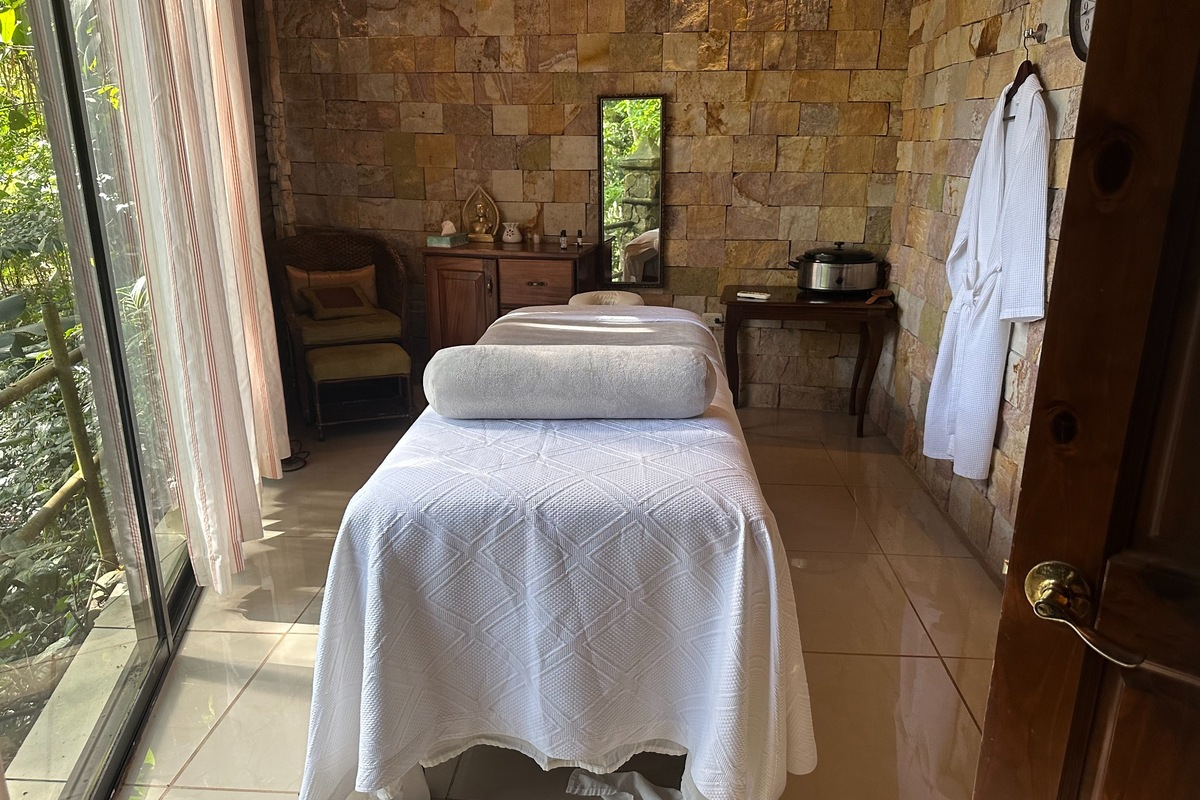
With its blend of rugged terrain and accessible luxury, Costa Rica adapts to a wide spectrum of demographic markets.
“Costa Rica attracts a broad mix of Canadian travellers, including couples, families, solo travellers and groups of friends,” says Adalberto Rodriguez, Trade and PR Coordinator, North America. “The common thread is the opportunity to combine relaxation with discovery: enjoying the beach, exploring nature, experiencing local food and culture and incorporating adventure into the same holiday.”
Research conducted by the Costa Rican Tourism Board’s (ICT) in 2024 revealed that Canadian leisure visitors departing through San José identified beach experiences, hiking, volcano visits, wildlife viewing and local gastronomy among their leading activities, highlights Rodriguez. “More than a quarter had visited Costa Rica previously, which speaks to the destination’s appeal for repeat travel,” Rodriguez says. “There is always another region or experience to discover, whether that is a rainforest lodge, a surf community, or a wellness escape.”
According to Rodriguez, Canada remains Costa Rica’s second-largest source market for arrivals by air, after the United States. In 2025, Costa Rica welcomed 260,347 Canadian visitors by air, compared with 257,395 in 2024, when arrivals increased 5.9 per cent over 2023.
“The momentum has strengthened considerably in 2026,” says Rodriguez. Between January and August, the country welcomed 222,003 Canadian visitors by air, an increase of 24.8 per cent over the same period in 2025. “These results demonstrate the importance of the Canadian market,” says Rodriguez.
Rodriguez advises to position Costa Rica around the variety of experiences clients can enjoy in one trip. “A holiday can combine wildlife and rainforest exploration with hot springs, local food, and time on the coast,” says Rodriguez. “Start by asking what clients want to experience and how active they want to be, then match the regions and accommodation to their interests.”
For a first visit, Rodriguez recommends combining two complementary regions and allowing enough time to enjoy each. “For example, pairing Arenal with a beach stay offers a balance of nature, adventure and relaxation,” says Rodriguez. Rodriguez advises to avoid packing too many stops into the itinerary and to build in realistic transfer times.
“Agents can add considerable value by arranging knowledgeable local guides, transfers and distinctive experiences such as coffee or cacao tours,” says Rodriguez. “For clients interested in responsible travel, look for businesses certified through Costa Rica’s Certification for Sustainable Tourism programme. The Costa Rica Specialist training, available to Canadian advisors in English and French, is another useful resource.”
Costa Rica is also relatively easy for Canadians to access, with extensive direct and seasonal flights connecting major hubs like Toronto, Montreal, Calgary and Vancouver straight to San José (SJO) and Liberia (LIR) via Air Canada, WestJet, Air Transat and Sunwing.
For clients flying through the capital, building time to recharge near the airport ensures a seamless transition between eco-adventures.
Taking it well beyond an airport hotel, the Costa Rica Marriott Hacienda Belen – located just 15 minutes from Juan Santamaría International Airport (SJO) in San Antonio de Belén – provides an elegant and value-added option to bookend a trip in and out of San José. Highlights of the hotel include its grand Spanish colonial architecture, 30 acres of lush coffee plantation grounds, resort pools, the serene Kuö Spa and immersive programming like on-site cooking classes, coffee cupping workshops and traditional rum tastings.
Whether wading through the Pacific to a remote eco-lodge or unwinding in a historic hacienda, Costa Rica manages to turn every transition into a story. This unique sense of discovery offers travel advisors the chance to create itineraries that truly leave a lasting impression.
Don't miss a single travel story: subscribe to PAX today! Click here to follow PAX on Facebook.