We use cookies on our website.
Some of them are necessary for the functioning of the site, but you can decide about others.


Michael Pihach is an award-winning journalist with a keen interest in digital storytelling. In addition to PAX, Michael has also written for CBC Life, Ryerson University Magazine, IN Magazine, and DailyXtra.ca. Michael joins PAX after years of working at popular Canadian television shows, such as Steven and Chris, The Goods and The Marilyn Denis Show.
Federal ministers met on Friday (Oct 2) to make announcements regarding Canada's COVID-19 border protocols and provide an update on travel regulations.
Speaking to reporters in Ottawa, Marco E. L. Mendicino, Minister of Immigration, Refugees and Citizenship, said that starting on Oct. 8, new measures will be introduced that will allow extended family members of Canadian citizens and permanent residents to enter Canada.
Incoming travellers will still need to adhere to Canada’s 14-day quarantine order, the minister said.
Candidates for this new provision could include people in long-term exclusive relationships, children, siblings and grandparents.
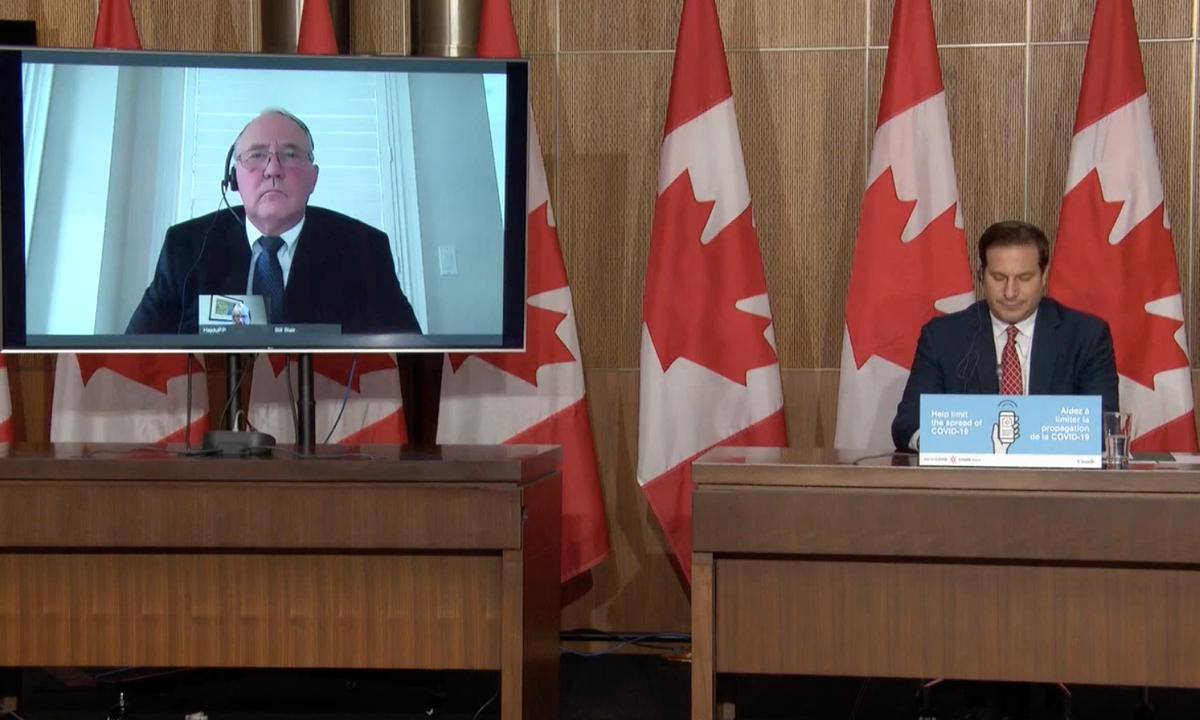
Mendicino admitted the “protections have been difficult” for those who have been separated from Canadian relatives and loved ones, but noted how Canada’s rules have been saving lives.
“Travellers should not make any travel plans until they have received all the necessary pre-arrival authorizations,” the minister noted.
Mendicino said Canada will also start allowing foreign nationals to enter Canada for compassionate reasons (ie: to attend a funeral) and will soon allow entry for international students attending institutions that have an approved COVID-19 readiness plan in place.
In all situations, Canada’s screening measures will remain in effect and no one with COVID-19 will be allowed to enter.
In addition to the requirement of quarantining for 14 days upon arrival, these types of travellers must also plan to stay in Canada for at least 15 days.
Canada’s mandatory 14-day quarantine order for all travellers who enter Canada was also a topic of discussion.
Minister of Health Patty Hajdu called the 14-day quarantine order Canada’s “first line of defence” in preventing the COVID-19 virus from spreading.
Hajdu was asked if Canada would consider easing its strict quarantine measures if, for instance, COVID-19 testing at airports could relieve travellers from having to self-isolate.
McMaster HealthLabs (MHL), Air Canada and the Greater Toronto Airports Authority are currently studying the effectiveness of quarantine periods.
READ MORE: A closer look at Air Canada's COVID-19 study at Toronto Pearson Airport
Since Sept. 3rd, international travellers arriving at Pearson have been invited to provide a voluntary sample to researchers before leaving YYZ and supply two additional samples that would be self-collected seven and fourteen days after arrival.
The aim of the study is to strike a better balance for travellers and for the Canadian economy without impacting public health.
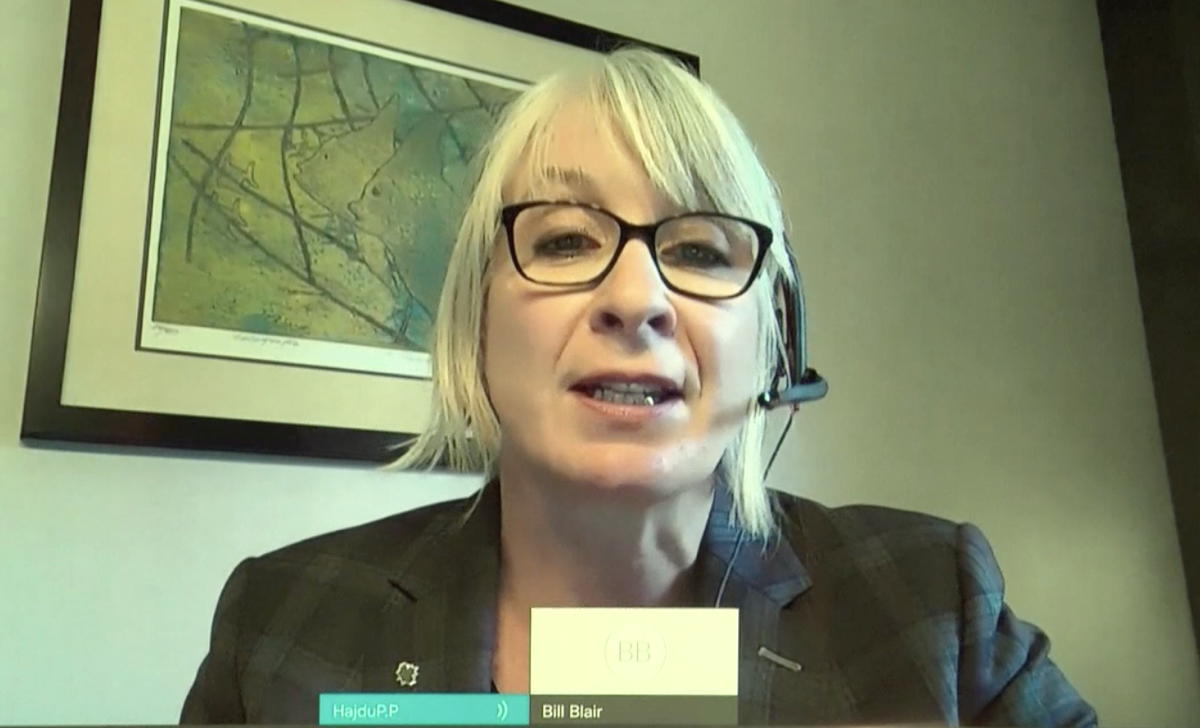
Hajdu confirmed that research projects, like Air Canada’s, is something health officials are actively investigating.
She said the government would have more to say on the matter as the research unfolds.
Bill Blair, Minister of Public Safety and Emergency Preparedness, indicated that Canada will not be easing it’s mandatory 14-day quarantine order any time soon.
“Mandatory quarantines measures have, in fact, been very effective,” Blair told media. “That’s evident by the significant drop we’ve seen in COVID-19 cases related to international travel.”
Blair noted that, in March, when the pandemic began, 22 per cent of COVID-19 cases in Canada were related to international travel.
“As a direct result to the work and restrictions we put in place, that has dropped to two per cent,” said Blair.

The Minister noted how modifications to Canada’s “strong and necessary provisions” are rarely approved and are reserved for those who engage in essential work.
“The quarantine measures have been such an important part of the effectiveness of the measures that we have taken with respects to non-essential travel from international destinations and the United States,” said Blair. “We’ll keep those strong measures in place and we’ll continue to build upon [them] to protect the health and safety of Canadians.”
If anything, the Canadian government is strengthening its quarantine protocols.
Every port of entry has 24/7 access to quarantine officer support through the Central Notification System.
The presence of federal public health officers at the border is also being scaled up over the coming months to cover 36 ports of entry that account for 90 per cent of all traffic into Canada during normal operations.
A total force of 190 public health officials will be deployed across the country by the end of the fiscal year, said Blair.
To improve information-sharing, the Public Health Agency of Canada has deployed digital portals for travellers to share their critical information, including through the ArriveCAN app, so data can be transmitted to provinces and territories quickly and securely.
Canadians can also expect stricter enforcement of the 14-day quarantine order.
Blair said that some 100 designated screening officers at a call centre make approximately 4,300 live calls and 3,500 automated calls daily to travellers entering Canada, for a total of nearly 1 million contacts since March 2020.
These calls are followed up by law enforcement if any individual cannot be reached, or if a traveller is suspected of not complying with quarantine requirements.
When asked how long the Canada-U.S. land border would remain closed to non-essential travel, Blair didn’t give an exact timeline.
But he offered this:
“It’s not a decision that we come to lightly or renew lightly,” Blair told reporters. “We consistently evaluate those conditions.”
Currently, the land border between Canada and the U.S. will remain closed to non-essential travel until Oct. 21st. (Canadians can, however, travel to the U.S. by air).
‘Until the conditions on both sides of the border, or as it pertains to international travel, changes substantially...Until we can be assured – based on the advice we receive from public health officials and our evaluations of those conditions – that those restrictions can be lifted safely, we’ll keep them in place," said Blair.
For the latest information on Canada's new border protocols, click here.
Don't miss a single travel story: subscribe to PAX today!