We use cookies on our website.
Some of them are necessary for the functioning of the site, but you can decide about others.
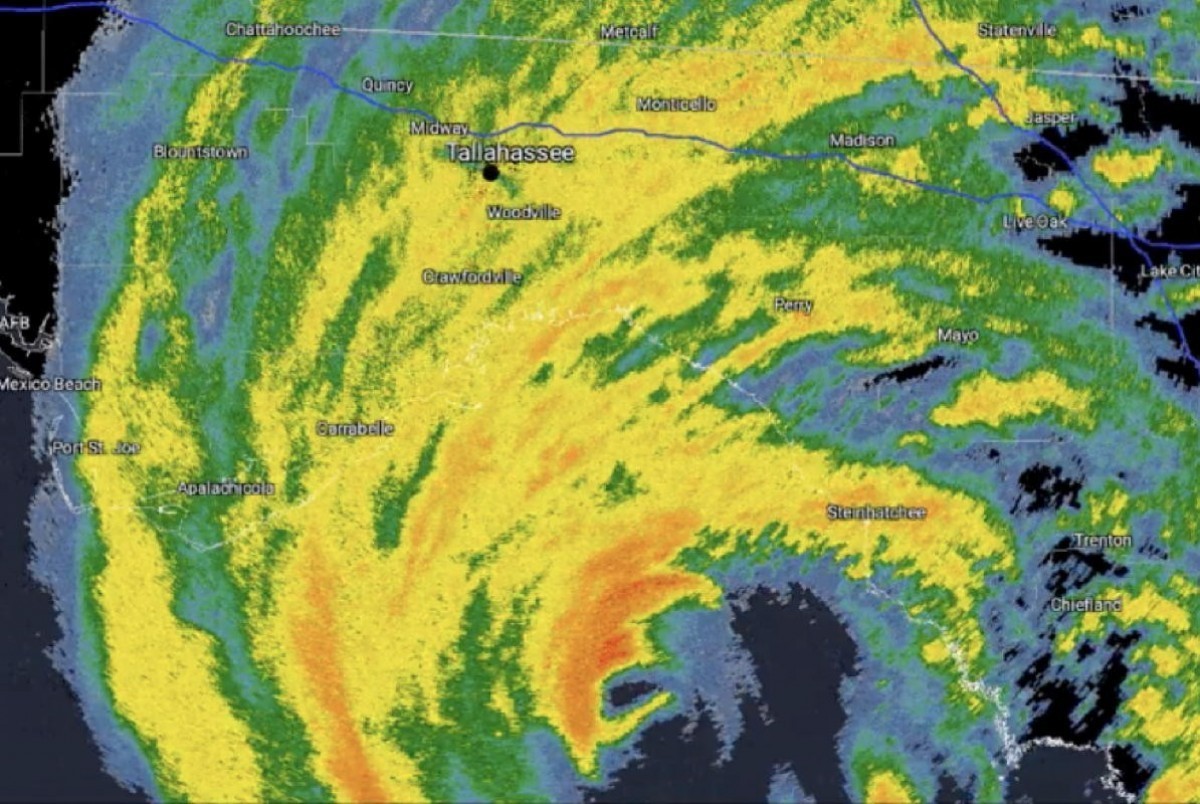
Hurricane Idalia left Florida and other surrounding states devastated yesterday (Aug. 30) after making landfall near Keaton Beach at 7:45 a.m.
As a high-end Category 3 hurricane, its maximum sustained winds reached 125 mph (205 kph), tearing roofs off buildings, splitting trees and leaving roads flooded in its wake.
Governor Ron DeSantis said 40 rescues were reported last night, 29 of which were carried out by the National Guard.
He also noted that the state’s current priority is clearing roads and restoring power to about 146,000 who are still in the dark, many in the hard-hit area of Big Bend.
Florida Highway Patrol reported two people died in separate crashes just hours before Idalia made landfall and one person was killed as the hurricane swept through Georgia, eventually weakening to a tropical storm by late afternoon.
Idalia then moved toward the Carolinas, where its flooding rain and storm surge left many coastal communities under water, including the city of Charleston and one of its suburbs, Goose Creek, where the Associated Press reported a tornado briefly touched down.
More than 50,000 homes and businesses across North and South Carolina were still without power as of Thursday morning after wind gusts blew down trees and power lines.
According to the National Hurricane Center, Idalia is expected to remain a tropical storm as it moves offshore of the coast of North Carolina today and over the western Atlantic into the weekend.
Don't miss a single travel story: subscribe to PAX today! Click here to follow PAX on Facebook.