We use cookies on our website.
Some of them are necessary for the functioning of the site, but you can decide about others.


Michael Pihach is an award-winning journalist with a keen interest in digital storytelling. In addition to PAX, Michael has also written for CBC Life, Ryerson University Magazine, IN Magazine, and DailyXtra.ca. Michael joins PAX after years of working at popular Canadian television shows, such as Steven and Chris, The Goods and The Marilyn Denis Show.
The Canadian Transportation Agency (CTA) is launching consultations on its proposed amendments to the Air Passenger Protection Regulations (APPR) – with an invitation for Canadians to participate.
The consultation period will be open for 30 calendar days and end Aug. 10, 2023, the quasi-judicial agency revealed in a press release on Tuesday (July 11).
Once it collects feedback and comments, the CTA will then publish draft regulations.
There will be an opportunity to review and comment on this document before it’s finalized, approved by the CTA and Cabinet, and published in Canada Gazette II, the agency said.
The Budget Implementation Act introduces changes to the Canada Transportation Act to clarify, simplify and strengthen Canada’s air passenger protection system.
READ MORE: Despite hiccups, airline industry seeing fewer disruptions compared to last year, says Alghabra
The new regulations aim to eliminate three categories of flight disruptions that have been used to determine compensation for air travellers who face delayed or cancelled flights.
Airlines will be required to provide compensation to passengers when there is a flight disruption, “unless there are exceptional circumstances,” the agency says.
Carriers will have the burden to prove the situation is an exceptional circumstance.
“One objective of the consultations is to define these exceptions,” the CTA said Tuesday.
The agency is proposing other regulatory amendments to airline communication requirements, and the defining of passenger entitlements that would apply in the case of all flight disruptions, and separately, those that would apply for exceptional circumstances.
Details can be found in this Consultation Paper here.
In addition, the Act aims to improve the efficiency of the CTA's dispute resolution process.
READ MORE: Feds table bill to improve accountability at airports, union says it misses the mark
It will authorize the CTA to recover from airlines the costs of processing air passenger complaints, which will be subject to a separate consultation later in 2023.
"The Canadian Transportation Agency welcomes the opportunity to improve the air passenger protection regime. We are committed to improving how air passengers complaints are processed and to provide better services to Canadians,” stated France Pégeot, chair and CEO of the CTA, on Tuesday.
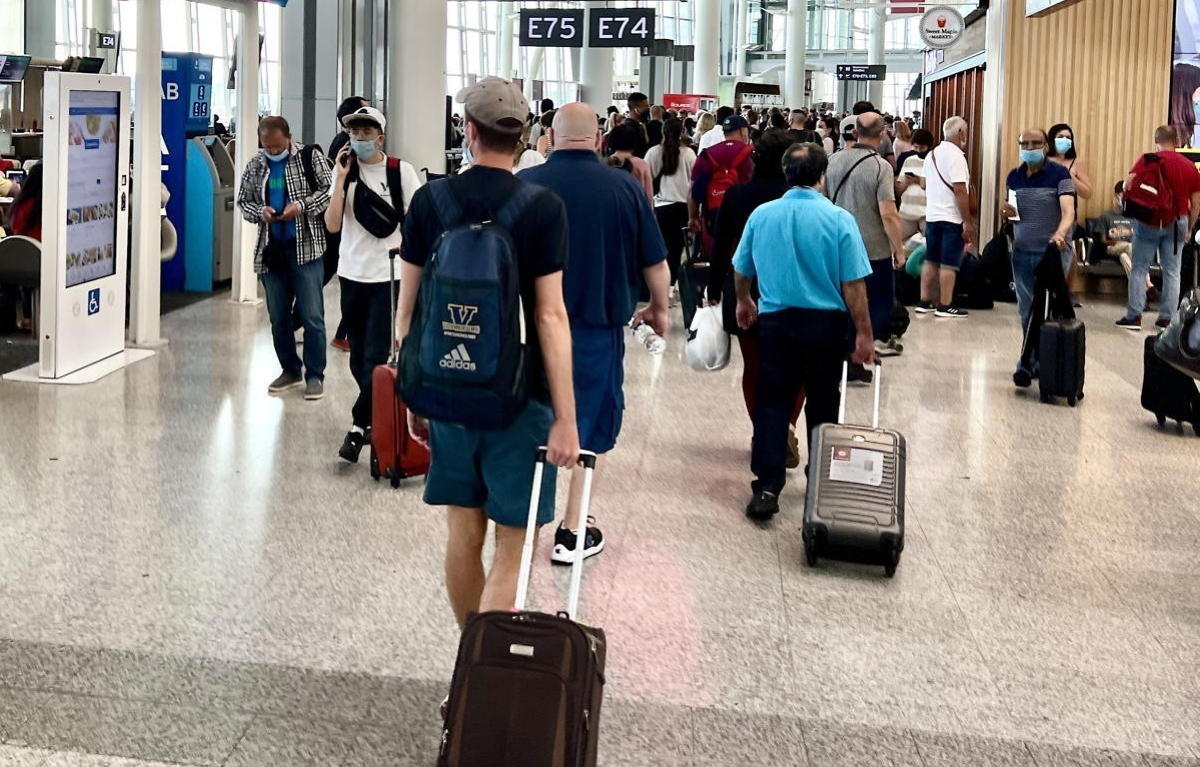
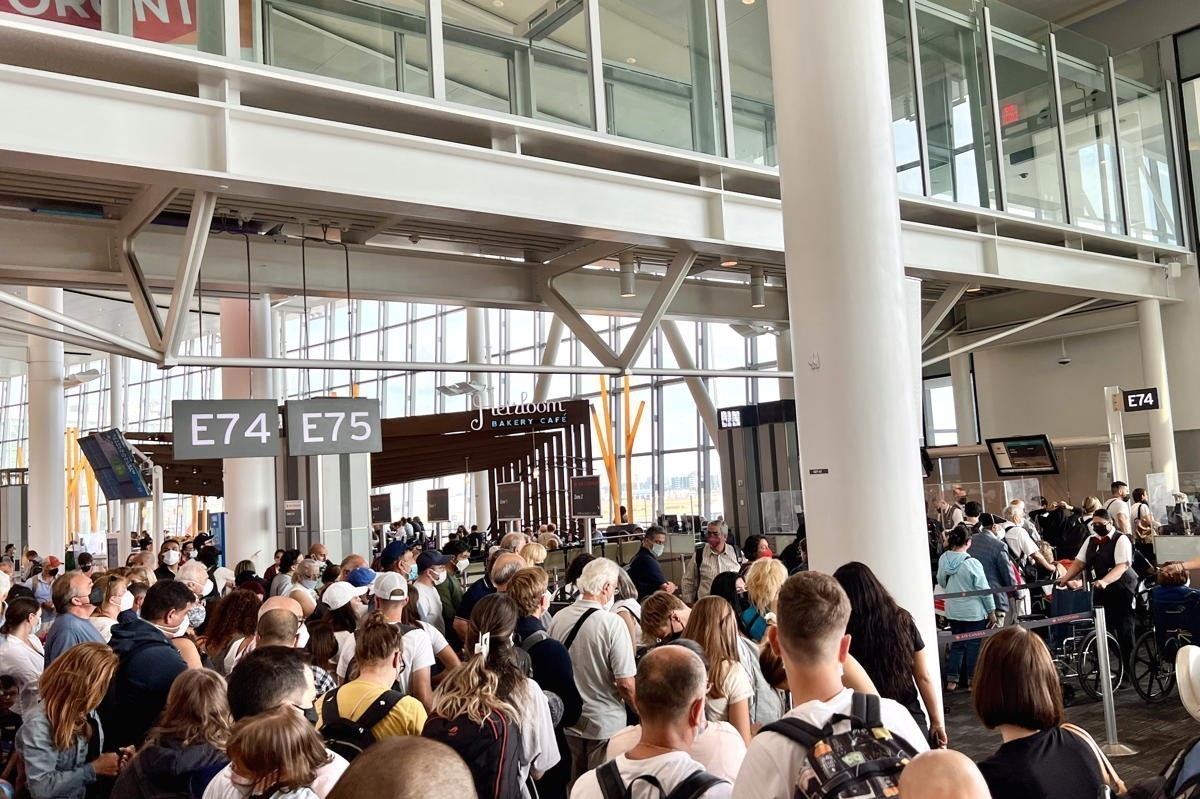
The update comes as flight delays and cancellations once again make headlines as Canada’s busy summer travel season ramps up.
Air Canada cancelled or delaying nearly 2,000 flights during the Canada Day long weekend, and last week, a tweet from WestJet CEO Alexis von Hoensbroech laid the blame for a delayed (WestJet) flight he was on at the feet of “understaffed” Nav Canada, the corporation behind air traffic control towers.
von Hoensbroech, for one, has previously voiced his support for APPR legislation, which states how airlines must communicate and reimburse or compensate customers for delayed or cancelled flights or for damaged luggage.
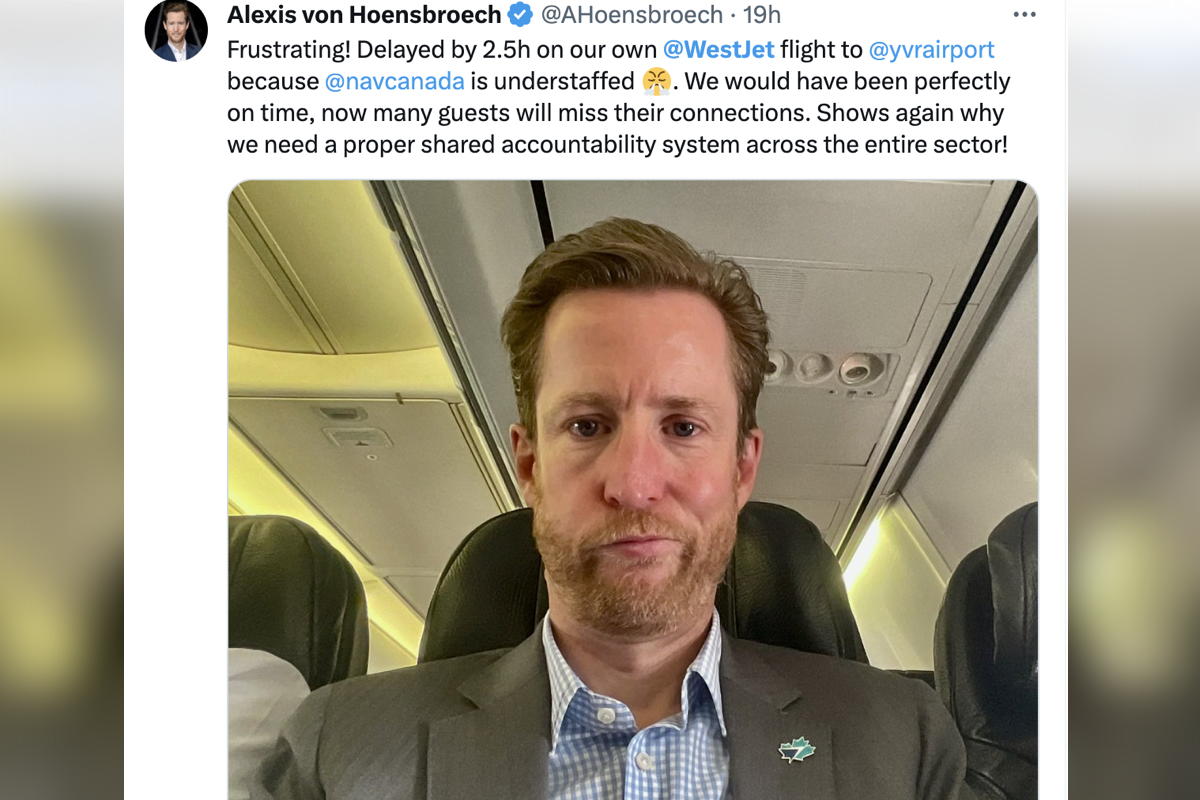
But the CEO believes airlines aren’t the only ones to blame when problems arise.
“There's airports, there's navigation, there's security, there's border control, there's ground handlers," von Hoensbroech told media last February, noting that those departments aren’t subject to the same rules and regulations as airlines.
“Whatever happens, it's always the airline, and the airline basically becomes the insurance company for the entire industry,” the CEO said at the time. “If you want an aviation sector that collectively produces a reliable product for our guests, then there has to be some shared accountability.''
Delays and cancellations plagued Canadian airports last summer as the travel industry restarted after months of pandemic-related shutdowns and interruptions.
Things got so bad that, at one point, Toronto's Pearson Airport was named the worst airport in the world for flight delays.
READ MORE: Air passenger rights changes put burden of proof on airlines, not travellers, says Ottawa
The travel chaos continued into the 2022 winter holiday season as thousands of Canadians were left stranded at airports, and in destinations, with little to no communication from airlines, after a snowstorm slammed into select provinces.
Despite hiccups in recent weeks, Transport Minister Omar Alghabra says the airline industry is seeing fewer disruptions this summer compared to last year.
“We're seeing significant improvement today, notwithstanding the headlines that we saw recently, from where we were last year,” Minister Alghabra told journalists last Friday (July 7), as reported by CTV News. “So we need to take stock in that, because there's been significant improvement, but we are still not at where ideally we should be and Nav Canada is an important player in this.”
The Minister added that Canadians shouldn’t delay their summer vacations out of concern for possible flight delays.
“I want Canadians to worry more about which hotel to stay at than what is happening, what's going to happen, at airports or on planes,” Alghabra said.
More info about the CTA’s consultation process can be found here.
Don't miss a single travel story: subscribe to PAX today! Click here to follow PAX on Facebook.