We use cookies on our website.
Some of them are necessary for the functioning of the site, but you can decide about others.


Christine Hogg is the Associate Digital Editor at PAX Global Media. Prior to joining PAX, she obtained her Honours BA in Journalism from the University of Toronto. Upon graduating, she went on to write for several travel publications while travelling the world. Her longest trip was a three-week stint in Europe, and the shortest was a 16-hour adventure in Iceland. Get in touch: christine@paxglobalmedia.com.
Puerto Rico may be an overseas U.S territory, but that doesn't make it any less a part of the Caribbean.
While Old San Juan and Ponce are renowned for their pastel-coloured colonial buildings and historic landmarks like the San Felipe del Morro Fortress and Castillo de San Cristobal, there's another part of Puerto Rico, virtually untouched, that's just waiting to be explored.
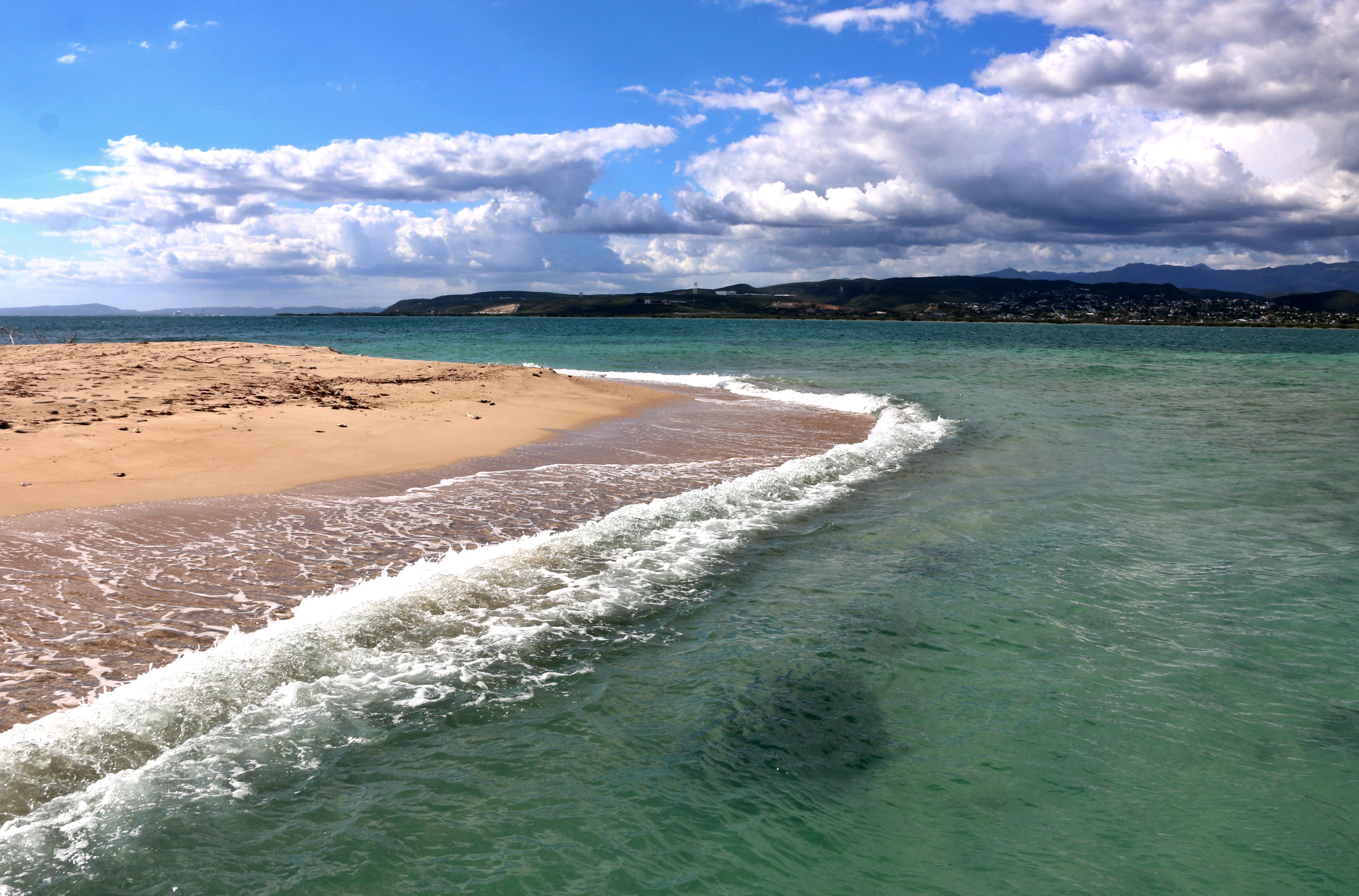
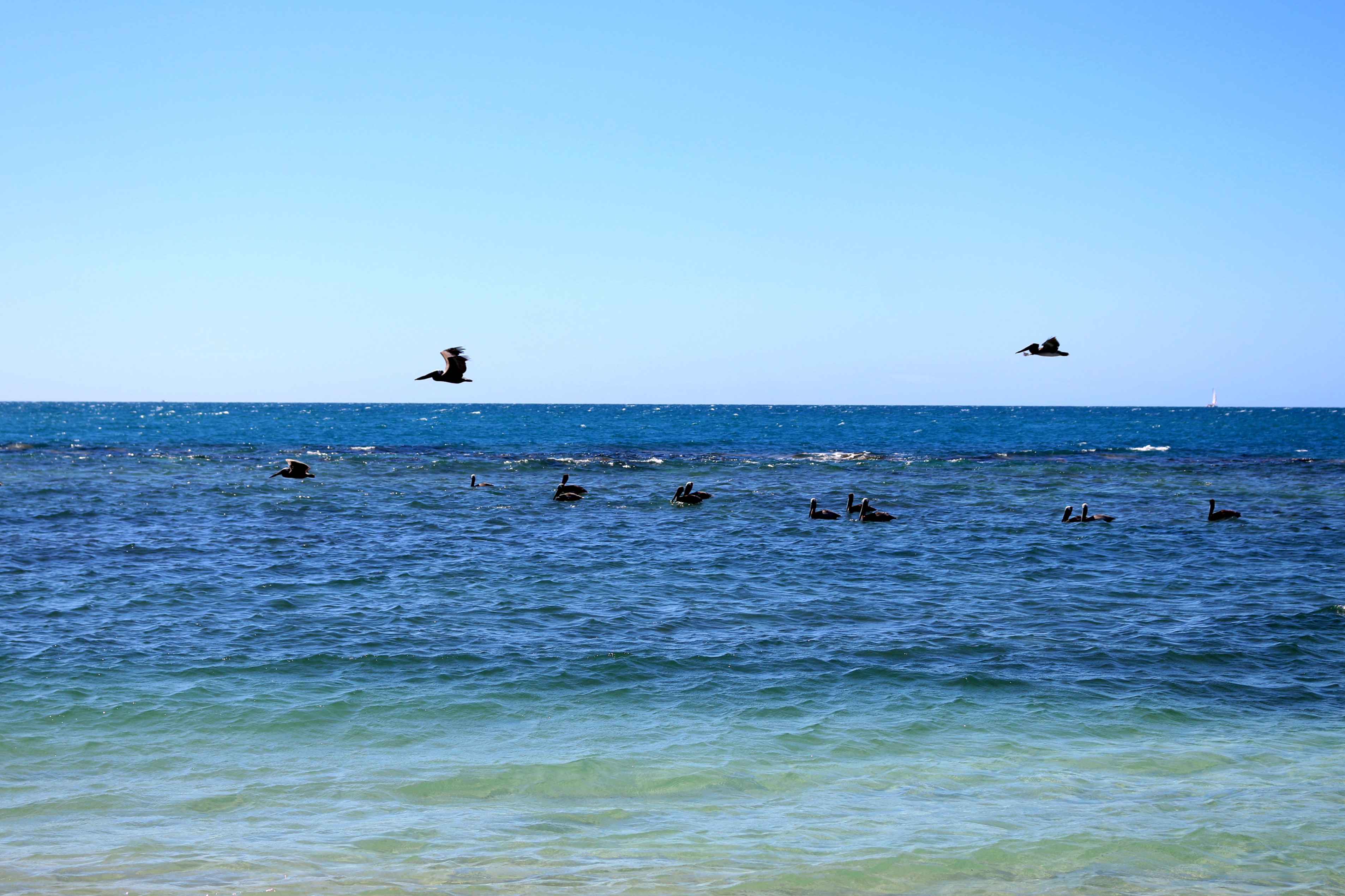
Cardona Island, located approximately one-and-a-half miles from the southern mainland of Puerto Rico's southern shores, is a very small and uninhabited island, save for the hundreds of pelicans, crabs, and small lizards that call Cardona home.
To reach Cardona, you need to take a small ferry over, and if you board from the ferry docks at Ponce, it's about 10 minnutes to reach the shores. Despite calm waters, the ferry has a tendency to heave and ho, and its important that you hold on - the bouncing and bobbing is enough to make even the most seasoned sailer feel ill! Once the boat docks, prepare to get soaked - the sand banks prohibit the boat from getting too close to shore, so you have to jump out in waist-high water, but don't worry, the waters are warm and inviting.
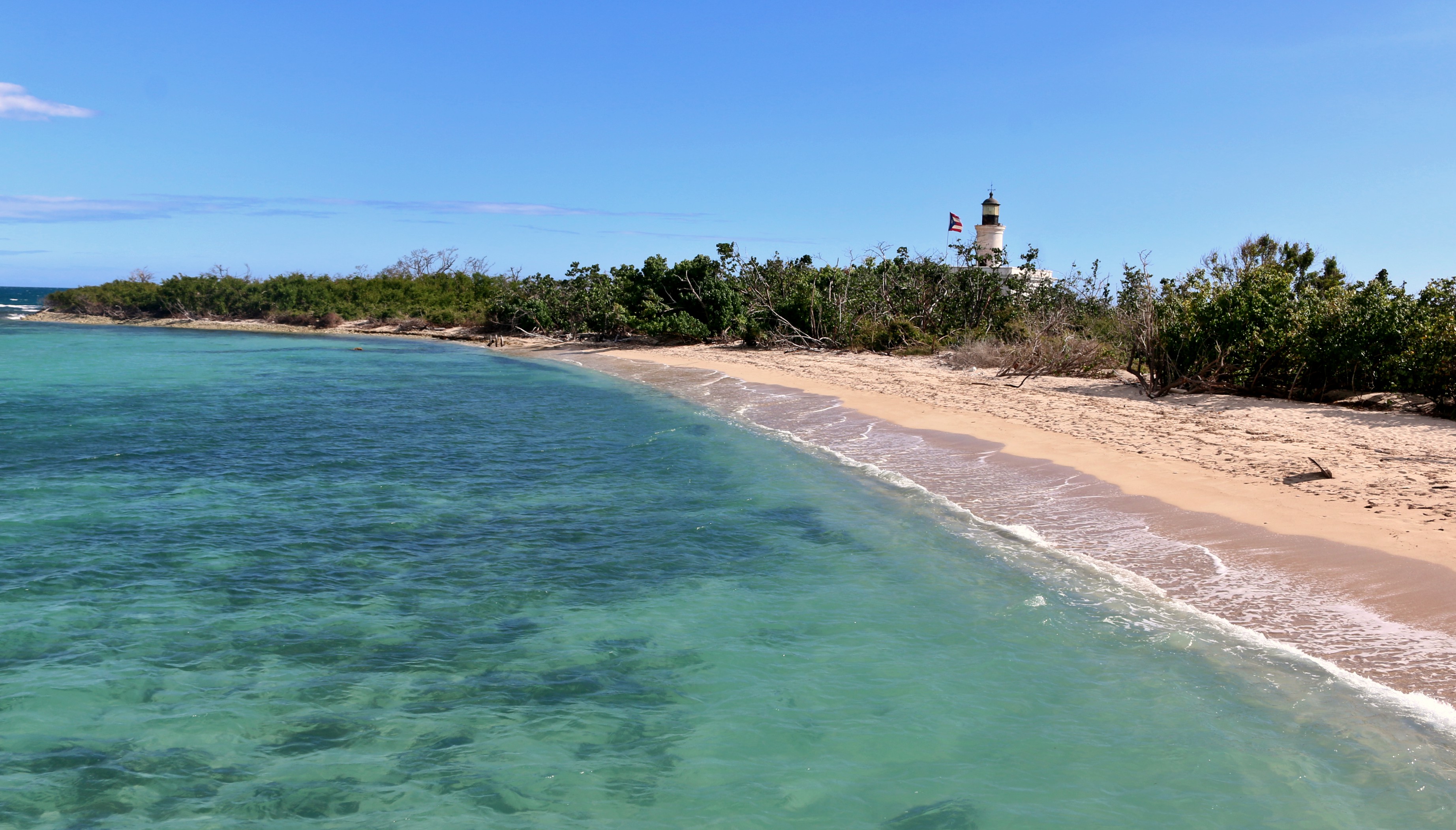
Since Hurricane Maria and Hurricane Irma's passing, Cardona Island, as the locals explained, has actually been slightly transformed, but in the best way possible - there's now even more white sand then ever before. While the island is popular for daytrips, it's important to come prepared - there are no bathrooms, no bars, no restaurants, and no frequent water taxi service, so whichever way you came, make sure you've got a way back.
However, because of the shallow waters, Cardona is an incredible place to snorkel, and with the abundance of pelicans swooping and diving, it's no secret that thousands of tropical fish lurk below, meaning you're guaranteed to see something.
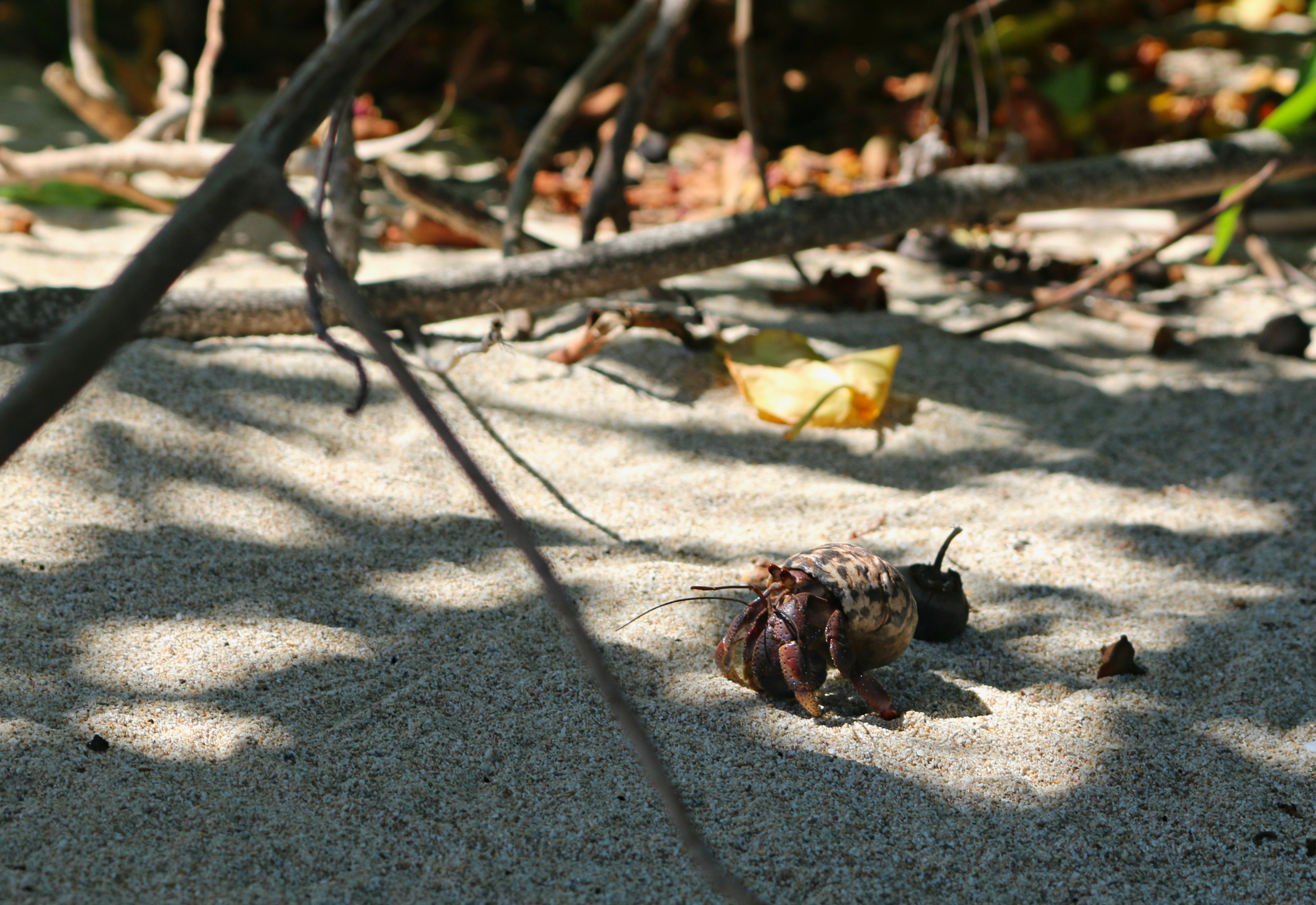
Cardona is truly a place to unwind and relax, with nothing but nature at your fingertips. Due to lack of human interuption, there are plenty of beautiful trees and plants, like pale yellow Hibiscus, growing wild. In the shade from the hot sun, small crabs have a tendency to burrow in and pop back up again, while scurrying amongst curious lizards.
Cardona Island is also home to a very famous lighthouse in Puerto Rico that was first lit in 1889. The lighthouse is vacant and boarded up now, but at one time, it housed many lightkeepers and their families.
For more information on Puerto Rico, visit www.seepuertorico.com.