We use cookies on our website.
Some of them are necessary for the functioning of the site, but you can decide about others.


Michael Pihach is an award-winning journalist with a keen interest in digital storytelling. In addition to PAX, Michael has also written for CBC Life, Ryerson University Magazine, IN Magazine, and DailyXtra.ca. Michael joins PAX after years of working at popular Canadian television shows, such as Steven and Chris, The Goods and The Marilyn Denis Show.
The Association of Canadian Travel Agencies (ACTA) and the Canadian Association of Tour Operators (CATO) say they’re being “kept in the dark” on funding recommendations for the Travel Industry Council of Ontario (TICO).
In a press release on Thursday (June 8), the two groups shared joint concerns about the provincial regulator, which, as reported last year, is undergoing the largest review of its funding framework and fee structure since its inception some 25 years ago.
TICO, Ontario's travel industry regulator responsible for consumer protection laws, hired consulting agency Optimus SBR to oversee the comprehensive study, which is looking at the regulator’s funding framework, services and Ontario Consumer Compensation Fund, with a focus on modernizing the model.
But ACTA and CATO are protesting this process, voicing their opposition to maintaining the current registrant fee system to fund the Compensation Fund, which they say places a financial burden on TICO registrants.
READ MORE: What’s happening with TICO’s funding review? Here’s what we know
“Travel registrants will once again be called upon to pay the rising and staggering costs of an inadequate and costly system that doesn’t offer very much to consumers. TICO’s core mandate being consumer protection,” said Jean Hébert, CATO’s executive director, in a statement.

Wendy Paradis, ACTA’s president, said both organizations applaud the review of TICO, which is expected to be completed by this fall.
However: “A full review of all TICO programs and administrative costs is needed,” said Paradis.
“We hope the current audit conducted by the office of the Ontario Auditor General – dubbed the ‘Value for Money audit’ – will provide positive results and responses to our concerns. However, we are very concerned that nowhere does it appear to mention moving to a consumer ‘insurance’ contribution model, that we have long been advocating.”
Hébert said that ACTA and CATO “will not stay silent” until they are informed of the final decision.
“We will mobilize to make sure TICO and the Ontario government will consider our recommendations and stop placing this unfair and uncompetitive burden on travel businesses,” Hébert said.
“This is the biggest fee review in TICO’s history and yet when we met with TICO’s consultants, we have been provided with very partial information and no financial impact analysis on the industry. We do not appreciate being kept in the dark, we do not appreciate being told that our asks will once again be ignored without any reason or explanation.”
READ MORE: TICO to reinstate fees in 2023, launches review of funding model & Comp. Fund
Paradis said the two organizations are “extremely frustrated” with the process.
“Since the pandemic, the travel industry is still struggling to recover from the decimating effects of the COVID-19 health and financial crisis. Travel businesses in Ontario are struggling with a post-pandemic debt load that is significant,” Paradis said.
Both ACTA and CATO have outlined a list of demands.
It includes the need for a new funding model that will provide a “fairer playing field and real protection” to the consumer.
The two associations have been working together and increased their advocacy efforts on this review process and have called for:
“We are very concerned that after many, many years of the industry calling for a fairer funding model of TICO – where the consumer is aware of the benefits of paying into an insurance program and receives better protection – once again our demands have been ignored. The burden of enhanced consumer protection will continue to be placed squarely on the industry and at a higher cost than ever,” said Paradis.
In a meeting with travel trade media last September, Richard Smart, TICO’s president and CEO, addressed the question of TICO fees potentially going up.
He said one of the parameters of the review was that regulators are trying to move to risk-based pricing and outcomes.
READ MORE: TICO fees might increase for some, says Smart, and “refresher” exams are on the radar
“There are some travel agencies and tour operators that ought to pay more because they're a higher risk to consumers through their internal controls and through the marketplaces they serve,” Smart said. “Just like insurance on your house or car, if you’re a higher risk, you pay more.”
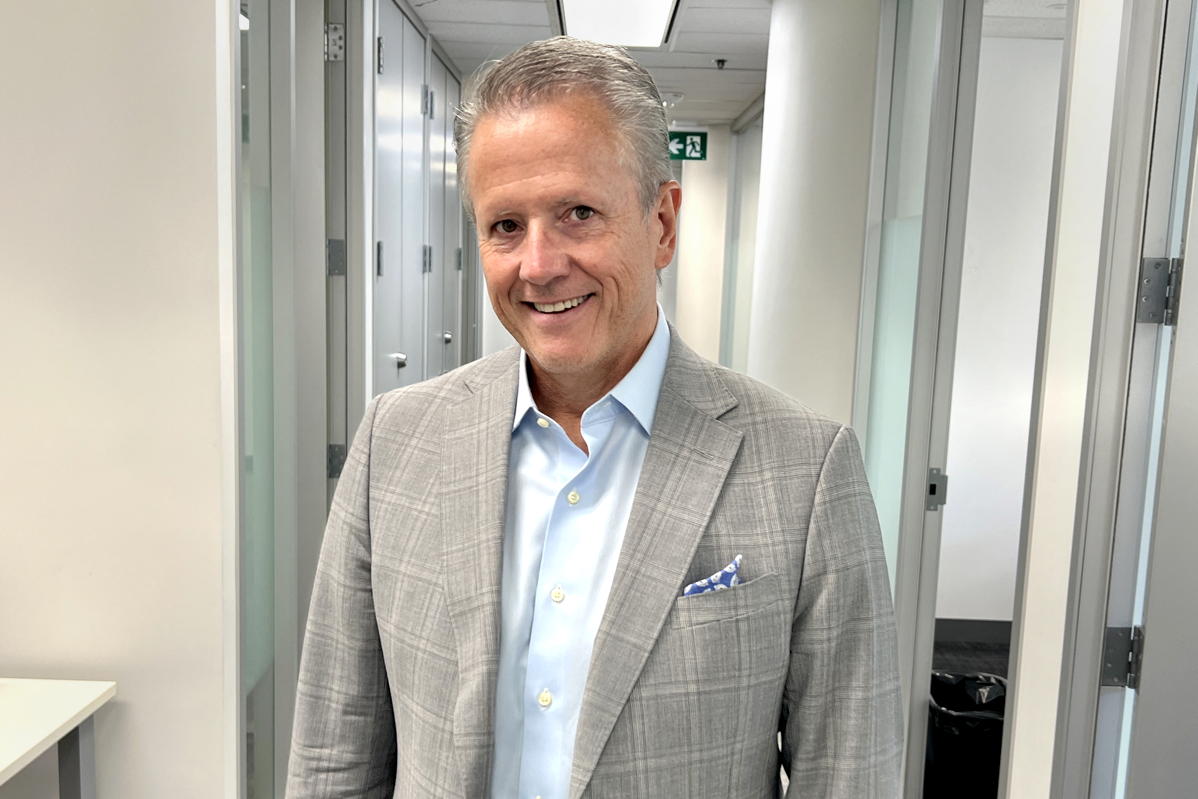
At the time, he said some registrants might pay more while others could pay less.
“Depending on the growth of the industry, if the marketplace gets back to where it was in 2019 and grows, the aggregate amount of revenue collected by TICO may go up,” Smart said. “But I think on an individual basis, we hope to get to a more risk-based pricing model for the future.”
Meanwhile, a potentially reworked Ontario Compensation Fund, which is financed by registered travel advisors and wholesalers in Ontario, hangs in the air.
The fund reimburses customers in situations where, for example, a client has paid for travel services that were not provided, and the payment was made through a TICO-certified business.
It also covers situations where an end supplier or cruise line is insolvent or bankrupt.
Last September, TICO said that over the course of 25 years, the fund has assisted 24,037 customers, paying out almost $15 million dollars.
That number may jump off the screen, but in the grand scheme of things, it isn’t a whole lot. Which TICO recognizes.
“I’m not taking anything away from being able to assist those consumers, but when you compare that to the number of travellers over 25 years, it's a drop in the bucket,” Smart said at the time.
Compensation payouts reached an all-time high during the 2021-22 fiscal year when pandemic-related cancellations and refund requests swelled.
During that period, 376 customers were assisted by the Fund, amounting to $428,812 in total claims paid.
In 2020 and 2021 (which was, understandably, a year of low activity), just seven customers were helped, amounting to $3,388 in total claims paid.
PAX took ACTA and CATO’s concerns to TICO, and in response, Richard Smart said the regular has “been committed to this being a transparent process" ever since the review began.
“We have said that all funding options were on the table and would be explored and considered for a future funding model,” Smart told PAX. “As part of the review, a variety of stakeholders have been engaged to provide their input, including the trade associations, registrants, and Ontario consumers.”
“Jurisdictional scans were also conducted to understand models in other provinces and countries, their successes and also their setbacks.”
The final recommended approach is subject to a review by the Ontario government prior to being shared publicly, he noted.
“Once released, all registrants will have an opportunity to provide their feedback through a broad consultation process,” Smart said. “The goal of the future funding framework is an innovative funding model that meets the needs of consumer protection today and the future.”
Don't miss a single travel story: subscribe to PAX today! Click here to follow PAX on Facebook.