We use cookies on our website.
Some of them are necessary for the functioning of the site, but you can decide about others.


Michael Pihach is an award-winning journalist with a keen interest in digital storytelling. In addition to PAX, Michael has also written for CBC Life, Ryerson University Magazine, IN Magazine, and DailyXtra.ca. Michael joins PAX after years of working at popular Canadian television shows, such as Steven and Chris, The Goods and The Marilyn Denis Show.
The demand for car and RV rentals is soaring as more Canadians look to travel domestically amid the escalating trade war with the United States.
According to travel search engine Kayak, the number of searches for car rentals in Canada’s coastal and mountain cities for the January-to-March period is up 20 per cent over last year.
RV rental and camper van companies are also facing tight supply as demand has spiked more than 31 per cent for some businesses.
The shifts come as Canadians rethink their U.S. travel plans amid U.S. President Donald Trump’s trade war with the world, with more opting to explore their own backyard.
As reported in the Globe and Mail, car rental businesses are trying to keep up with the demand.
“We’re going to have a significant supply constraint,” said Michael McNaught, founder, president and chief executive of RVezy, a Canadian-owned RV rental company, speaking to the news outlet.
McNaught’s company is seeing a 20 per cent increase in domestic and international bookings within Canada, as well as a 327 per cent spike in American residents renting RVs in Canada.
And, despite having some 7,000 RVs available for booking in Canada, the business is already bumping up against supply limits – far earlier in the season than expected, Mr. McNaught told The Globe.
READ MORE: Canadian car trips to the U.S. plunge 32%: StatCan
Increased demand for domestic road trips is also putting pressure on car rental companies – although the patterns appear to vary by region.
Kayak reports that most searches for car rentals in Vancouver, Kelowna, B.C., and Halifax have increased for each between 15 per cent and 20 per cent, while Montreal saw a smaller five per cent gain.
“Halifax and Kelowna have made the biggest gains in share of searches compared to 2024,” Kayak spokesperson Kayla DeLoache told The Globe.
While larger cities like Vancouver and Toronto are still the most popular Canadian flight destinations over all, smaller centres such as Quebec City and Regina have made the biggest gains in search share compared with 2024.
The shift in travel behaviours isn’t exclusively linked to patriotism. The weak loonie may also be forcing some Canadians to stay closer to home, observers have said.
Low-cost carrier Flair Airlines, for one, is banking on more domestic travel this upcoming winter season. Releasing its schedule last month, the airline has added extra hops between Vancouver and Calgary and more connections between Edmonton and Abbotsford, for example.
The company noted that demand for U.S. sun-trips is “cooling down.”
Statistics Canada also recently shared its latest numbers relating to the demand for U.S. travel, noting that Canadians made fewer return trips from the U.S. last month compared to the same time last year.
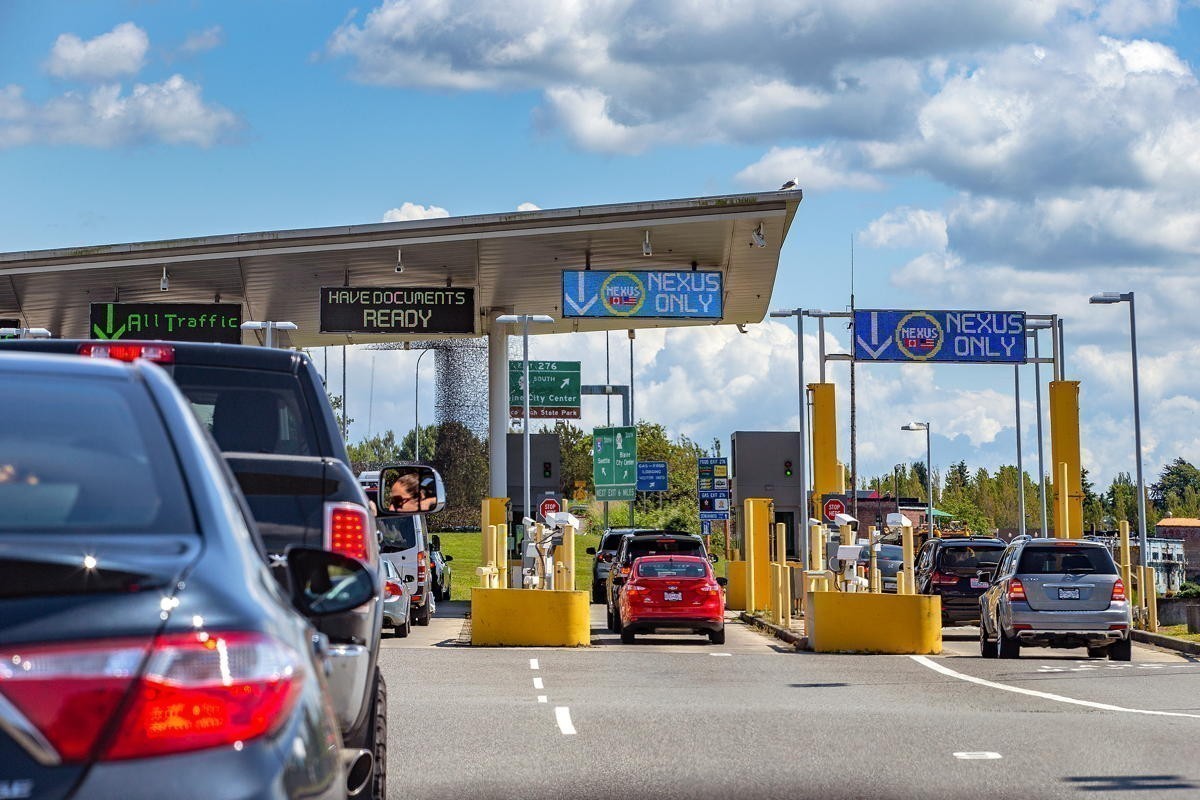
The sharpest decline is in trips by car – the number of Canadians returning from the U.S. by vehicle was down almost 32 per cent compared to March 2024, the third consecutive month of year-over-year declines.
Meanwhile, Canadian return trips by air from the U.S. were down 13.5 per cent last month compared to March 2024, StatCan says.
The update comes on the heels of Ottawa updating its advice to travellers heading south of the border, warning Canadians to “expect scrutiny at ports of entry, including of electronic devices.
According to aviation analytics company Cirium, airlines, overall, are selling 4.4 per cent fewer seats between Canada and the U.S. for April–June 2025 than they were back in January.
Canadian airlines, which operate the bulk of this capacity, have made steeper cuts — down 6.1 per cent on average, the company says.
In April alone, airlines initially scheduled 13,555 flights. That number has now dropped to 13,100 — a reduction of roughly 400 flights.
Of all the U.S. states experiencing declines, Florida is one that stands out.
Compared to January schedules, seat capacity for April through June is down more than 20 per cent as of late March for destinations like Fort Lauderdale and Miami, Cirium reports.
Don't miss a single travel story: subscribe to PAX today! Click here to follow PAX on Facebook.