We use cookies on our website.
Some of them are necessary for the functioning of the site, but you can decide about others.
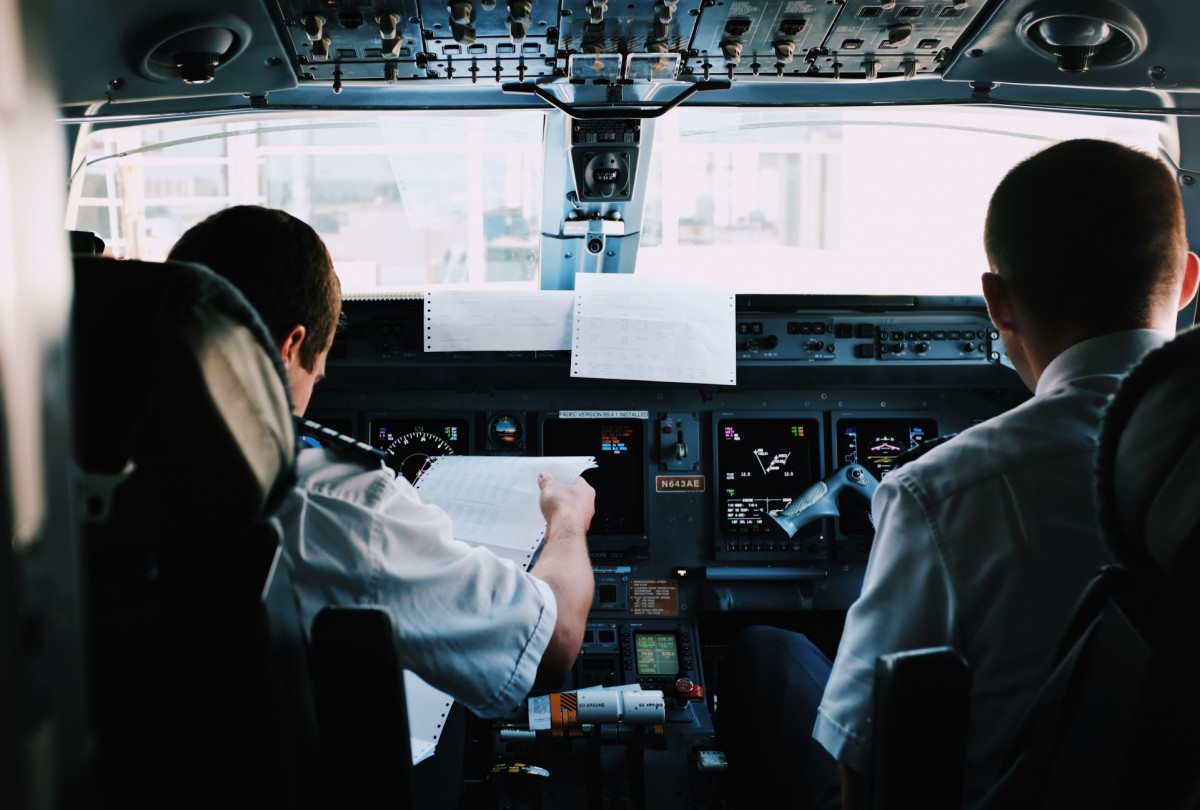
The Air Canada Pilots Association is calling upon Canada’s federal government to act on pilot fatigue for overnight flights after U.S. federal safety officials blamed two Air Canada pilots for causing a near-collision that would have had catastrophic results.
The U.S. National Transportation Safety Board (NTSB) recently determined that pilot error and fatigue were contributing factors to a July 2017 incident whereby an Air Canada jet came within three to six metres of crashing into another grounded plane in San Francisco.
Speaking with The Canadian Press (CP), the union representing the airline's pilots said the incident should serve as a wake-up call.
``I don't know what else it would take to wake them up that this is a significant concern,'' Capt. Matt Hogan, chairman of the master elected council, told CP.
Among 19 findings issued by the NTSB was that Canadian regulations don't, in some situations, allow reserve pilots enough time to rest their eyes.
The captain involved in the San Francisco incident had been awake for more than 19 hours while the first officer on the flight from Toronto had been awake 12 hours, reports say.
Hogan told CP that flight duty limit for evening and overnight flights should be changed to 8.5 hours, which is in line with NASA recommendations. The Federal Aviation Administration limits crews to 8 hours at night on flights that aren't ultra long haul.
In a statement to CP, Transport Minister Marc Garneau agreed that pilot fatigue rules do indeed need updating, stating that he takes the safety of air travellers and the public “very seriously.”
Air Canada told CP that its flight time rules are “significantly enhanced and more robust” compared to those listed in the Canadian Aviation regulations (CARS), adding that its Fatigue Risk Management System is “the most advanced in the country.”


