We use cookies on our website.
Some of them are necessary for the functioning of the site, but you can decide about others.


Michael Pihach is an award-winning journalist with a keen interest in digital storytelling. In addition to PAX, Michael has also written for CBC Life, Ryerson University Magazine, IN Magazine, and DailyXtra.ca. Michael joins PAX after years of working at popular Canadian television shows, such as Steven and Chris, The Goods and The Marilyn Denis Show.
It was right there in front of me, alone and unwanted, silently begging to be taken. And, as any self-respecting visitor to Malaga, Spain knows: you just don’t say no to Iberian jamón.
As conversation whirled around me, I plucked the perfectly red, perfectly salted piece of ham off the plate and popped it in my mouth.
“You know what we call it when someone takes the last piece of ham?” Alejandro Pérez-Malumbres, our guide asked me from across the table. Everyone stopped talking to hear.
I shook my head, still chewing.
“El de la vergüenza,” he grinned. “The piece of shame.”
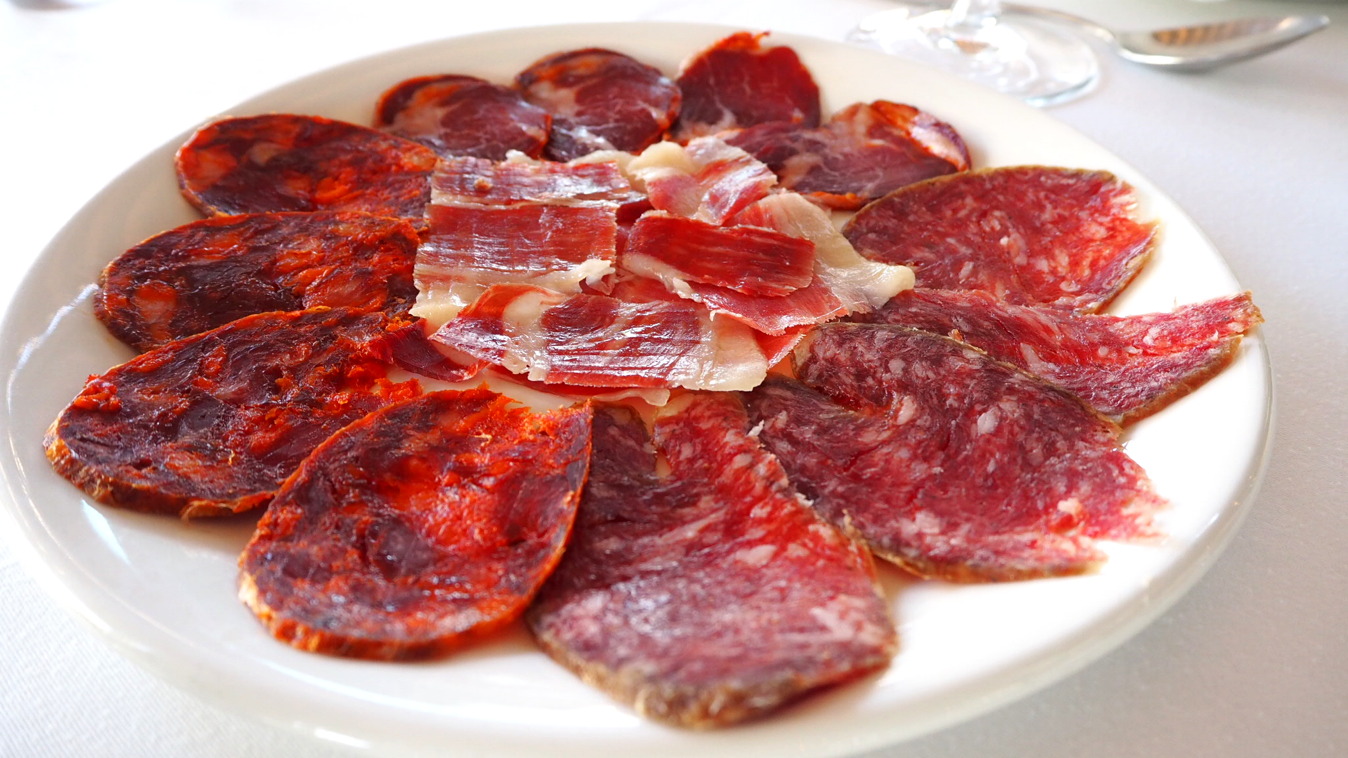 You just don’t say no to Iberian jamón
It only being my first night in Malaga as part of a whirlwind tour of Spain’s southern region with the Andalucia tourism board, shame was actually the last thing I felt (see my philosophy about saying no to Spanish ham above) - but of course, it was all in good fun.
And besides, as I’ve learned in my first few days visiting Andalucia, there’s really no such thing as a last piece of jamón. Another plate of the pre-meal favourite almost always immediately replaces the empty one.
Between mind-numbingly delicious food, breathtaking architecture and a rich, multicultural history to match, Malaga is beginning to break out of its former mold as a beach destination, and is embracing its true identity as a place of art and culture more and more with each passing year.
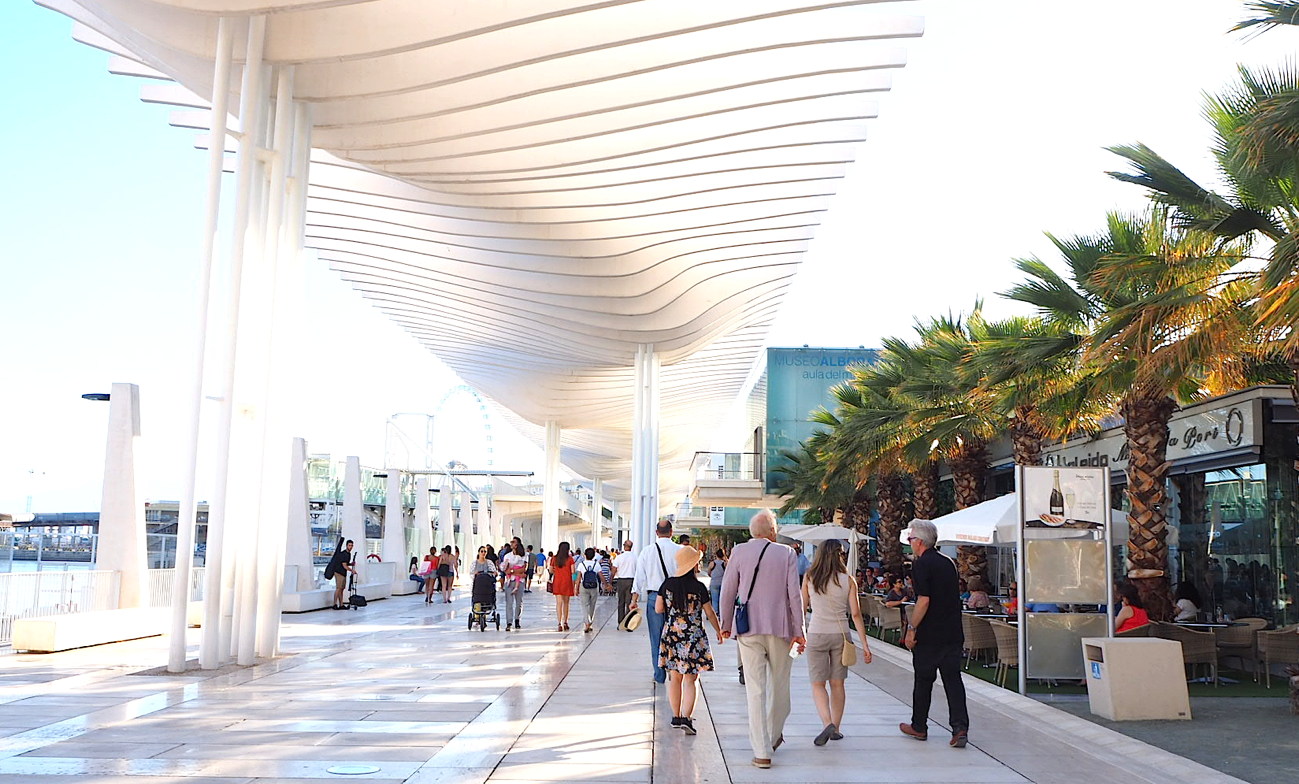 Waterfront in Malaga
“Here, you can find treasures – castles and olive groves and archeological sites – in the middle of nowhere,” Pérez-Malumbres said over dinner in Grenada, our second stop of the second day following a crash course in Malaga that featured the ancient Alcazaba (a historical fortress originally built by the King of the Berber Taifa of Granada in the early 11th century), the Picasso Museum, and a caviar tasting at the exquisite Hotel Barcelo La Bobadilla.
“Plus,” he added, “in those special places, there are really very few tourists, because they can be difficult to reach by bus.”
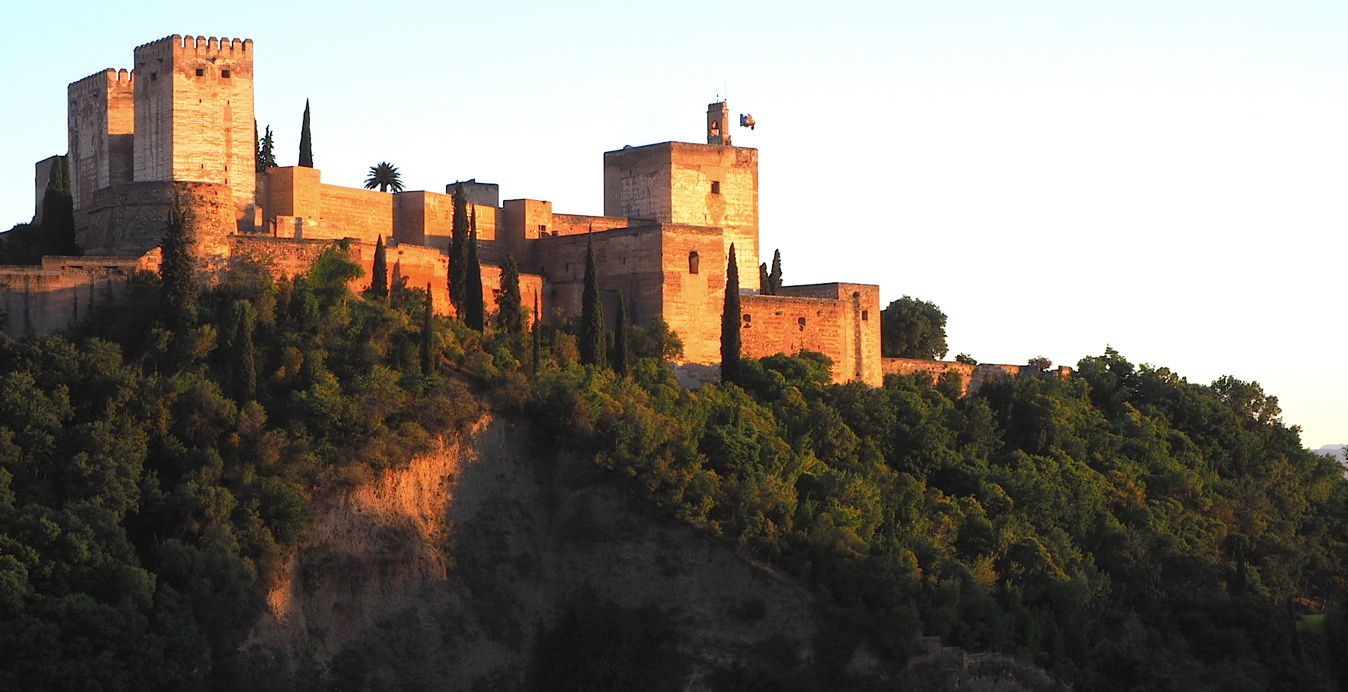 Alhambra palace in Granada
Such remote locations – offering considerable payoffs as far as bucket-list travel items go – seem to be what gives Andalucia it’s singularly Spanish charm. In spite of being a well-worn destination with a solid infrastructure for tourism, there are still some magical places waiting to be discovered by travellers who are willing to veer from the beaten path.
I’m hoping to find some of them as we continue to explore the region this week, making stops in lesser-tread Spanish cities such as Ubeda, Baeza and Cordoba to discover what these regions have to offer Canadians.
Check back with PAX next week to find out what we’ve learned about the region, and be sure to follow PAX on Instagram, Twitter and Facebook to keep track of our adventure!