We use cookies on our website.
Some of them are necessary for the functioning of the site, but you can decide about others.

Jesse Ship is a Toronto-born, Paris-raised, Belgian national and freelance writer with a passion for arts, travel, music and culture. His work has appeared in the Toronto Star, Fodor’s Travel, Flight Centre, Metro, BlogTO, Vice, Exclaim, Antenna, CBC, and many others.
Rail travel is enjoying renewed momentum, and Railbookers is positioning itself to help travel advisors capitalize on growing demand by taking the complexity out of planning and selling rail-based vacations.
“We’re like the travel agent for the travel agent. You don’t need to figure out the Swiss from the German ticket. We do that for you,” said Frank Marini, CEO of Railbookers, during the company's conference, outlining the company's role as a specialist partner for travel advisors.
With approximately 5,200 itineraries spanning 49 countries, Railbookers has built its business around simplifying what can otherwise be a complicated travel-planning process.
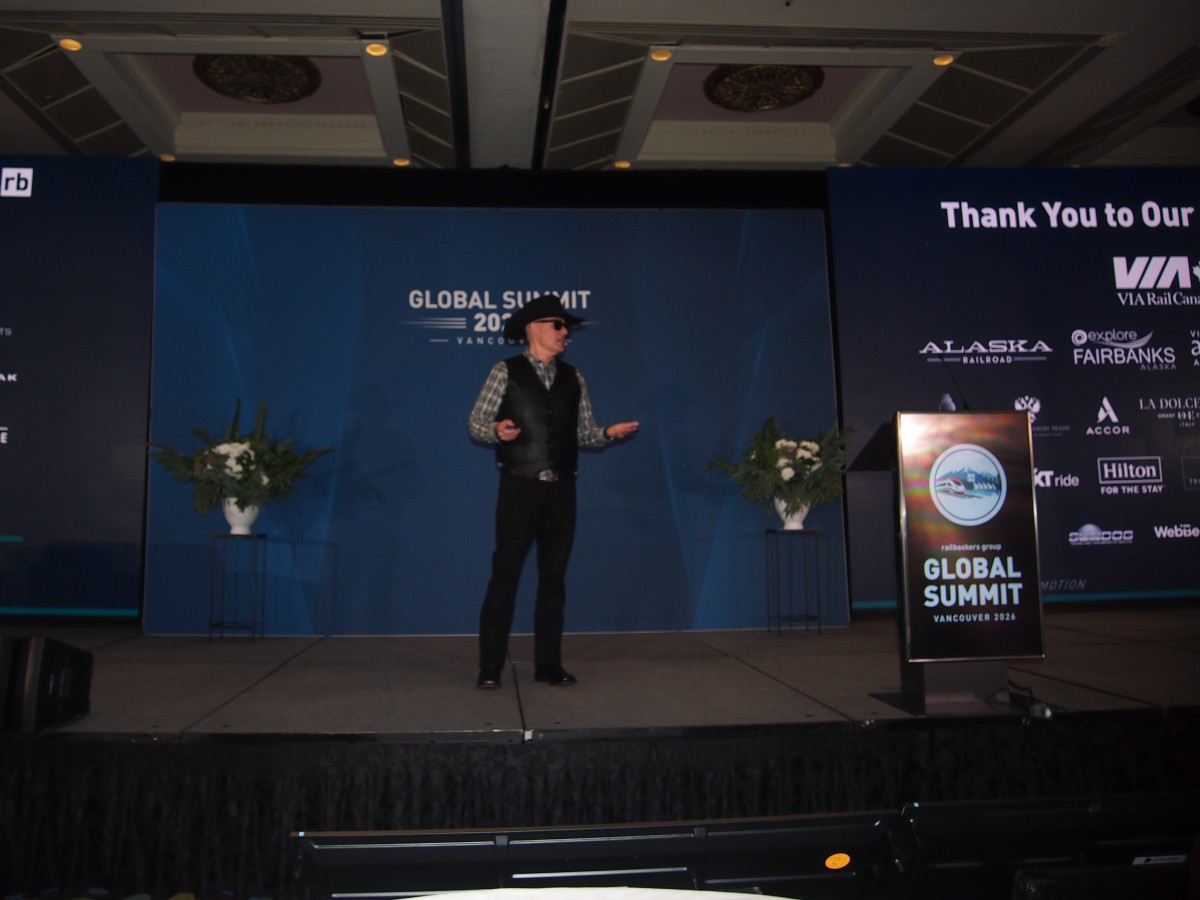
During its 2026 business review at the Fairmont Hotel Vancouver, Marini highlighted the company’s continued growth in independent travel, increasing demand for luxury and experiential holidays, and the importance of combining technology with human service.
“Nothing is slowing down demand,” was one of the key takeaways from the company's assessment of the travel landscape.
The appetite for luxury travel, in particular, is changing. Rather than focusing exclusively on material luxury, today's affluent travellers are increasingly directing their spending toward experiences, meaningful connections and lasting memories.
Marini described luxury as highly personal, with no single definition that applies to every traveller. For some, it means private sightseeing and exclusive accommodations. For others, it is the opportunity to explore a destination in a distinctive way.
Railbookers reported a 126% increase in luxury travel, reflecting the growing appeal of premium rail experiences. The company also pointed to the influence of an aging, affluent traveller demographic, as retiring Baby Boomers and Gen X travellers bring greater spending power to the market. The demand is also reflected in the company's advisor engagement. Railbookers received approximately 6,000 applications after opening registration for its fam trips.
While AI is increasingly influencing how travellers research and plan their holidays, Railbookers believes human expertise will remain an important differentiator.
Marini cited figures showing that 56 per cent of U.S. travellers are now using AI, while 16 per cent of Americans aged 50 and older are using it to plan travel, double from 2025. However, the growing use of AI does not necessarily mean travellers want less human interaction.
On the contrary, Marini identified human service as a growing part of its business, arguing that as more travel planning becomes automated, customers increasingly value access to knowledgeable people who can help navigate complicated itineraries and unexpected disruptions.
The company's Fastrax 2.0 platform incorporates AI into its knowledge base, helping its team respond to approximately 200 questions daily. The technology is intended to give advisors faster access to information while maintaining the support of Railbookers' human teams.
There have also been considerable investments in its digital platforms. A new website update will introduce AI-powered search and personalization, alongside improved self-service tools that allow advisors and travellers to save quotes, compare itineraries and better understand pricing.
The objective is to make complex trip design easier to manage, particularly when multiple destinations, rail operators and travel disruptions are involved. Railbookers also highlighted its in-house destination management capabilities, emphasizing that its concierge and destination services remain human-led.
Further investment in advisor education is also planned, with their new head office and Centre of Excellence training hub scheduled to open in Nashville in March 2027.
Railbookers reported increasing interest in Asian rail travel, particularly Japan, and has recently introduced two classic Sri Lanka itineraries.
China is also expected to return to the company's portfolio in 2027, with four packages covering eight destinations and incorporating distinctive local experiences.
The new Asia opportunity is massive. China has more than 31,000 miles of high-speed rail infrastructure, representing approximately two-thirds of the world's high-speed rail network.
South Korea is another growth market, with three packages planned.
The company also highlighted a strong year for Amtrak, as well as continued development of its North American rail vacation offerings.
Cruise extensions represent another opportunity. Railbookers and AmaWaterways have developed 51 unique cruise extension products, allowing travellers to combine river cruising with rail journeys through some of Europe's most recognizable destinations.
Accessibility was another important topic during the conference, with Railbookers announcing a new collaboration with John Sage, founder and CEO of ATS, (Accessible Travel Solutions) to develop five itineraries with accessibility accommodations in mind.
The initiative recognizes the growing need for travel products that account for different mobility requirements and other accessibility considerations, particularly for families travelling across generations.
Sage emphasized that travel advisors need to understand the limitations and specific requirements of their clients to build trust and deliver appropriate experiences.
“It's the worst accessibility features that people remember, not the best,” was one of the key observations during the discussion.
The broader challenge, he noted, is that demand exists, but the travel industry is not always adequately prepared to meet it.
Hotels, cruise lines and other travel brands aren’t consistently communicating the accessibility services they offer, leaving advisors and travellers to navigate the details themselves.
A successful accessible itinerary requires more than simply identifying a property or transportation service as accessible. Needs vary considerably between individuals, making a tailored approach essential.
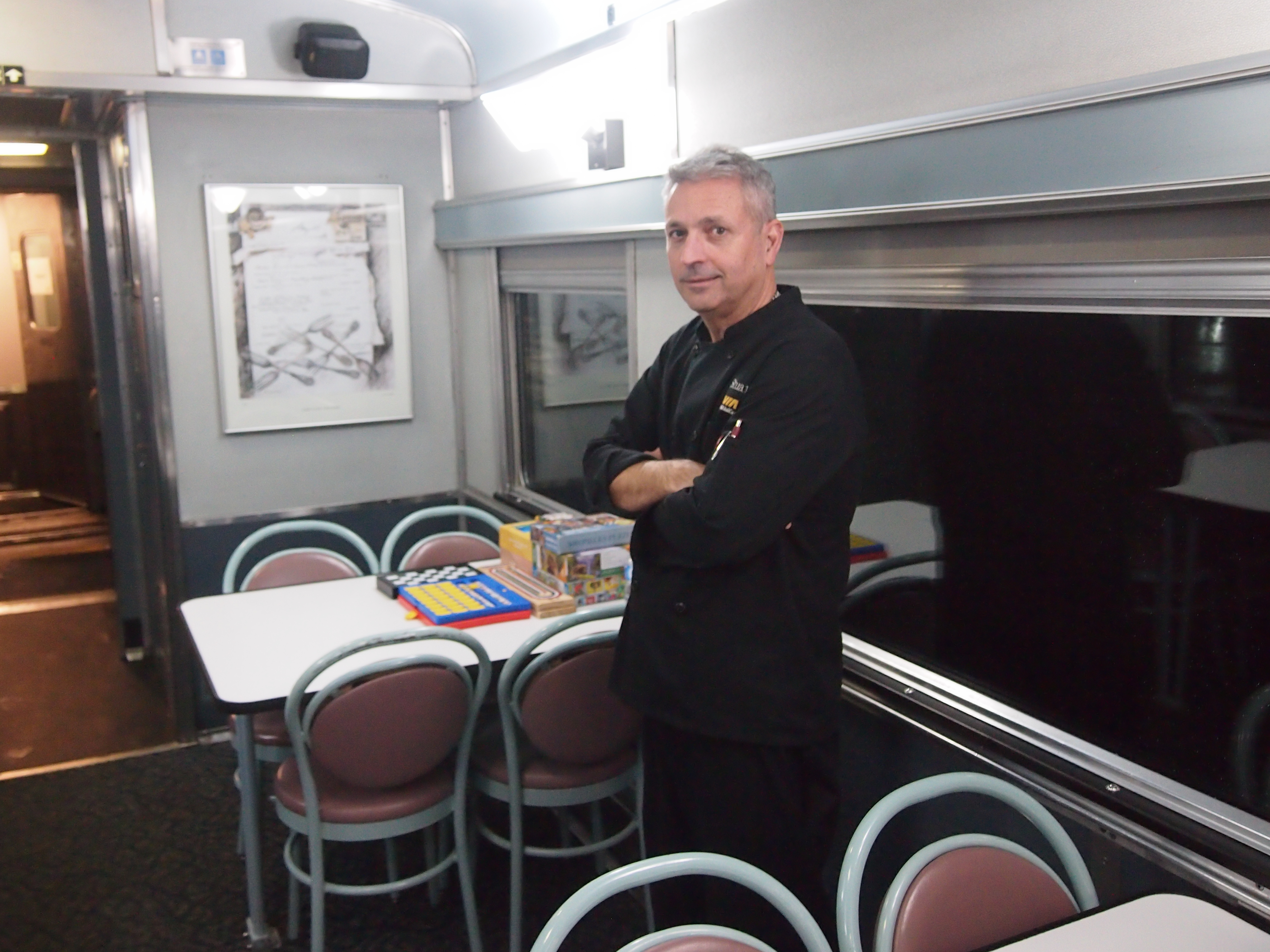
The conference also brought together representatives from North American and international rail operators to discuss the growing appeal of rail as an experience in its own right.
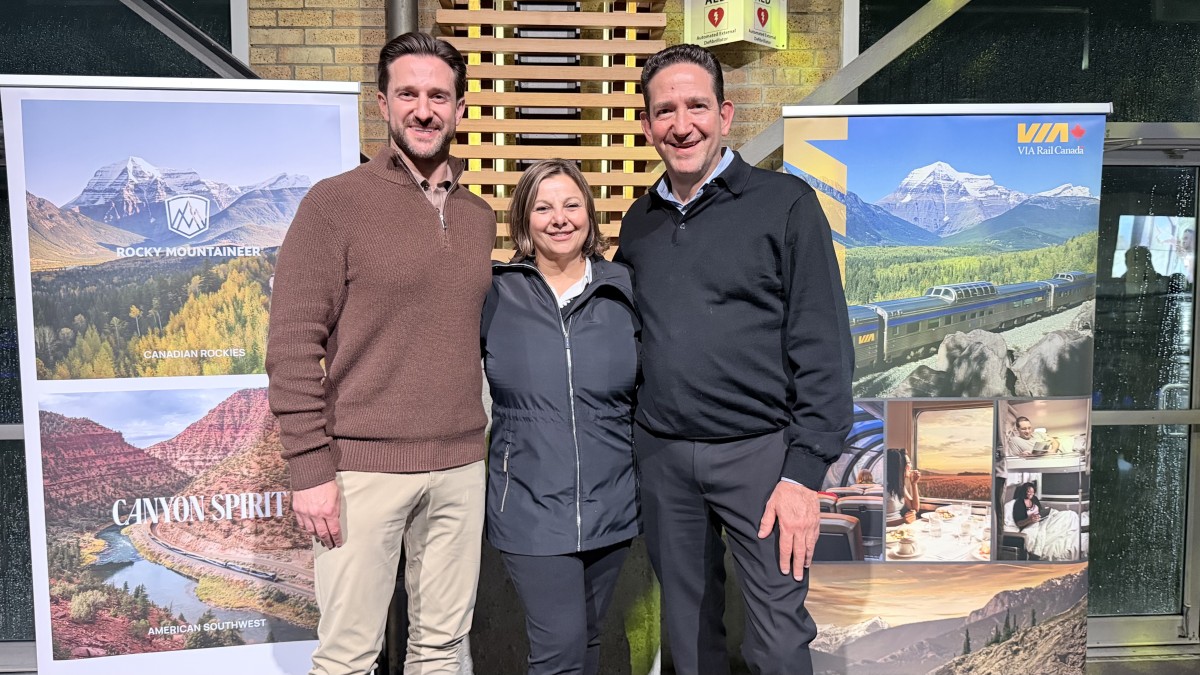
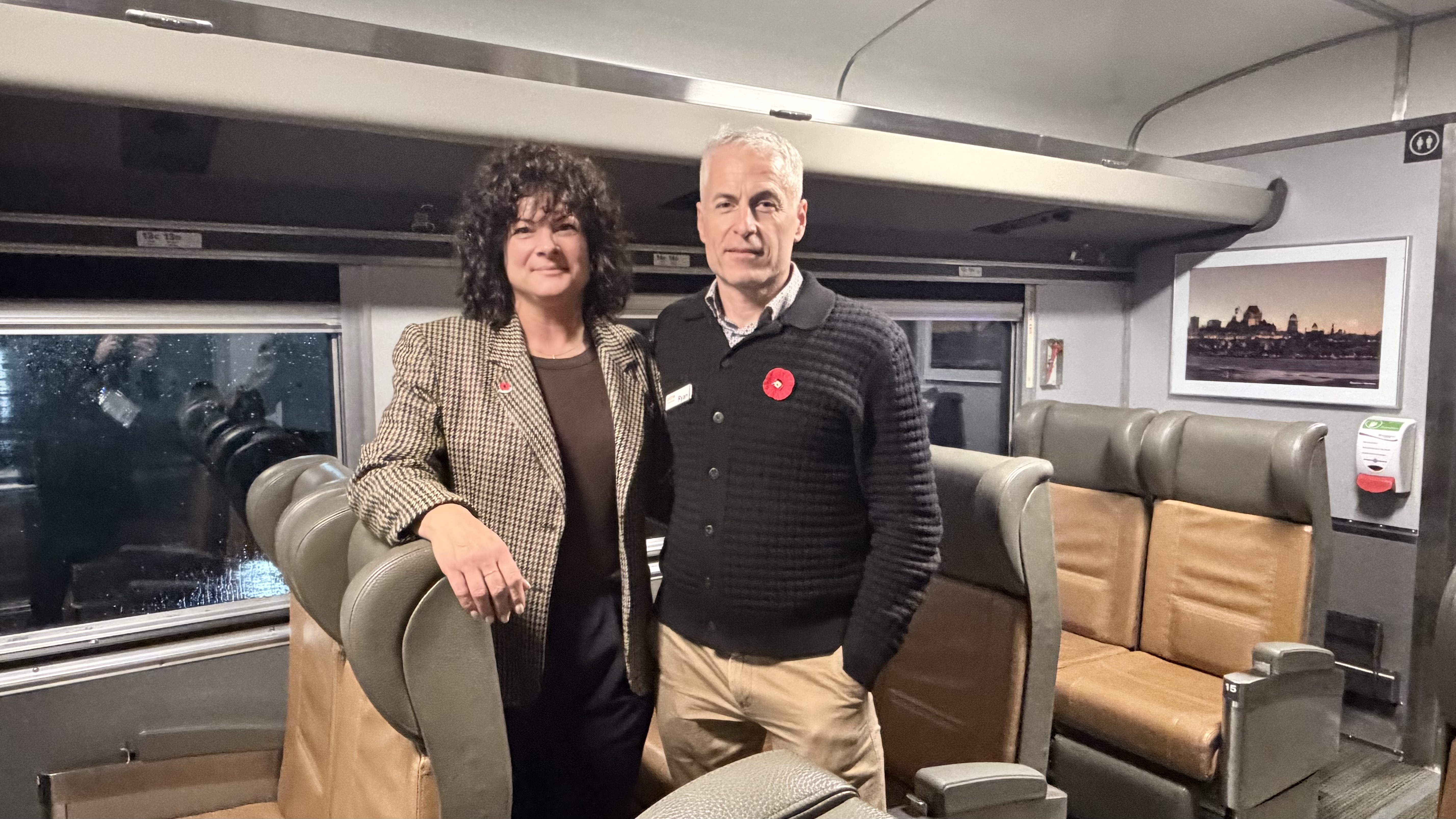
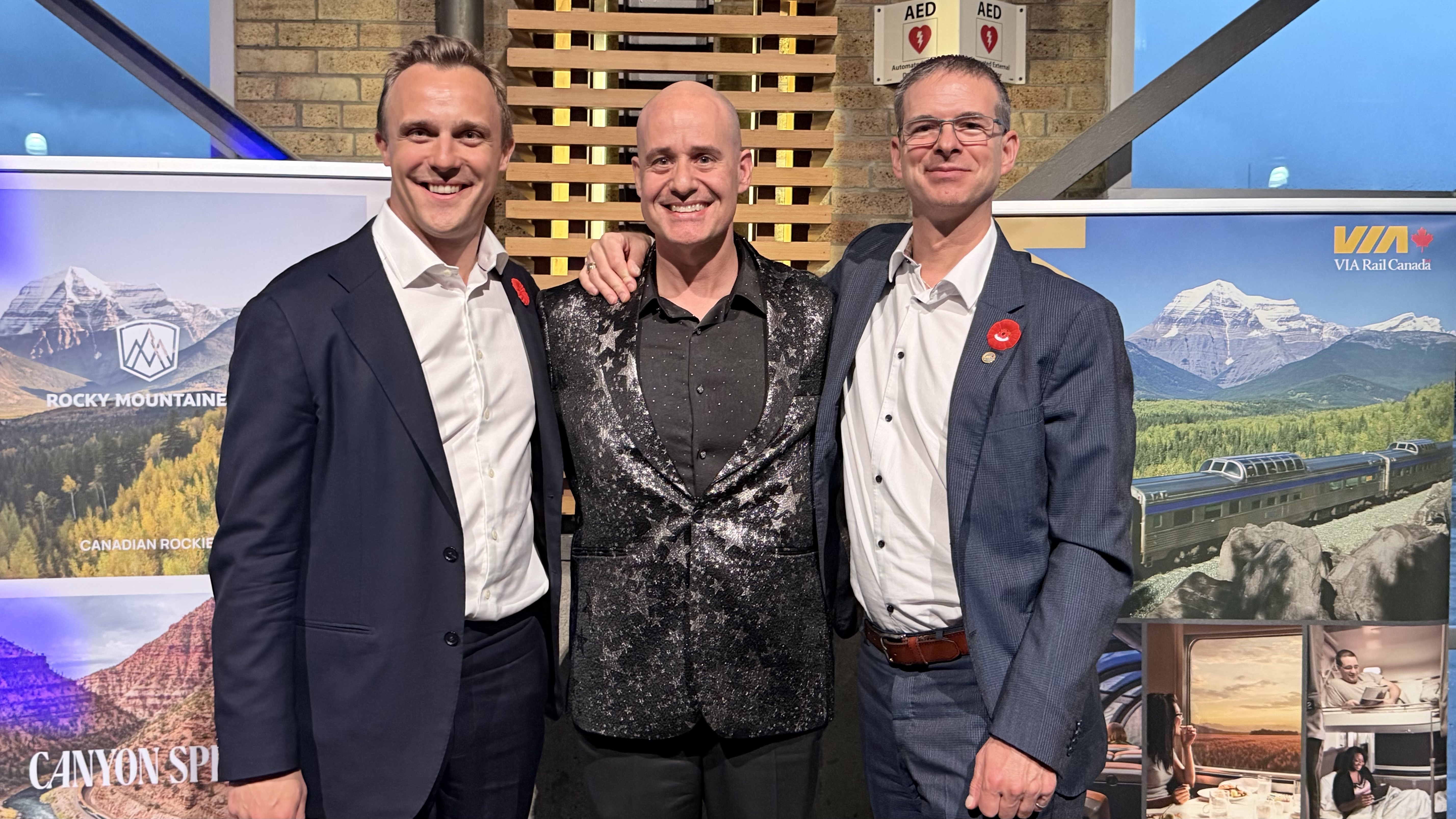
In North America, VIA Rail highlighted the appeal of its traditional rail experience, with Ryan Robutka, senior manager of sales and marketing, noted that “Via Rail’s origins in the 1950s continue to resonate with travellers seeking a connection to the golden age of rail.”
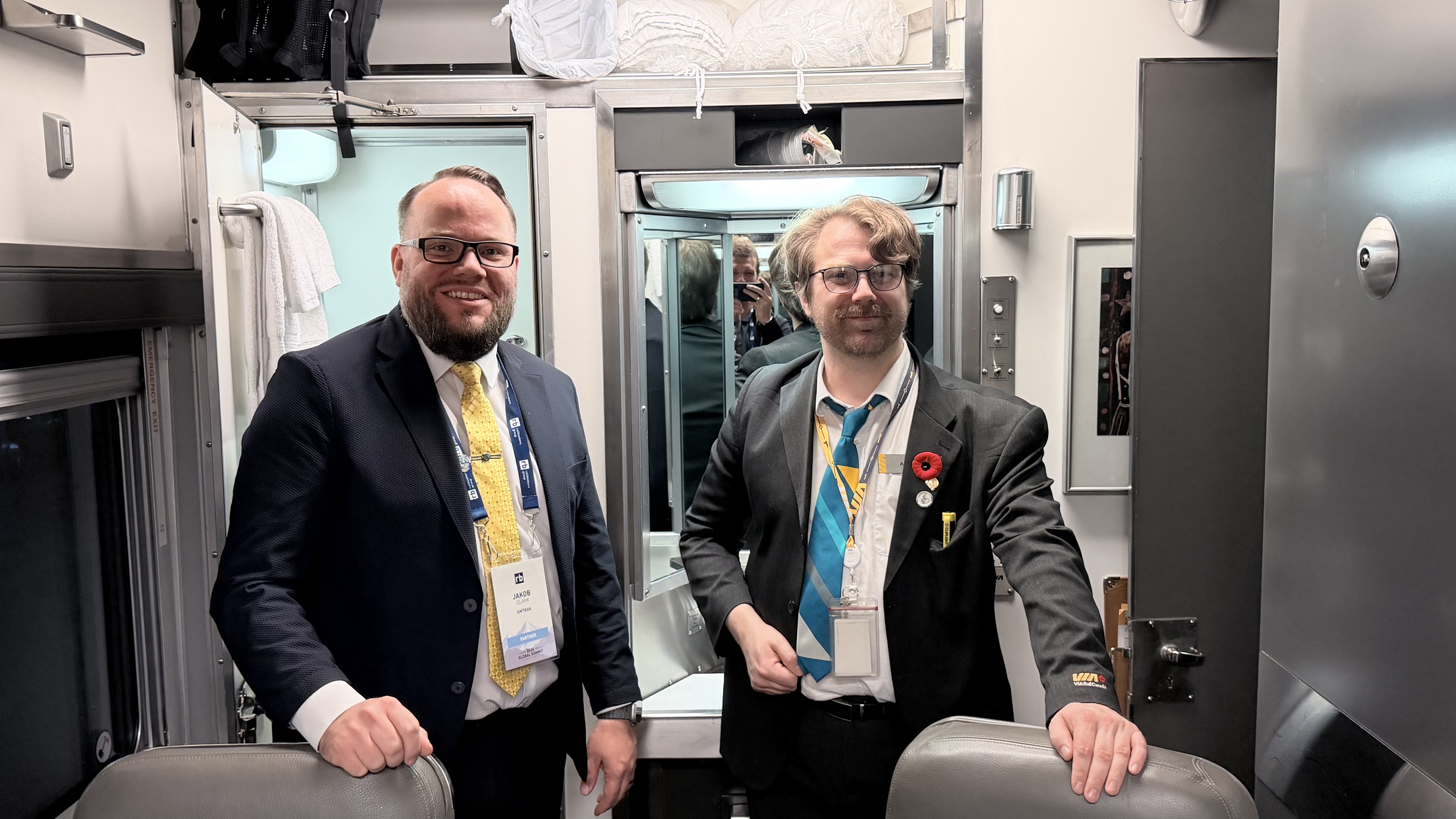
VIA Rail has announced that its equipment will be updated during the 2030s, potentially creating additional interest in experiencing the existing trains before their retirement and highlithed their premium offerings.
“Our Prestige Class offering provides a more intimate experience, with just 13 bedrooms featuring private showers, access to premium train cars and dedicated concierge attendants.”
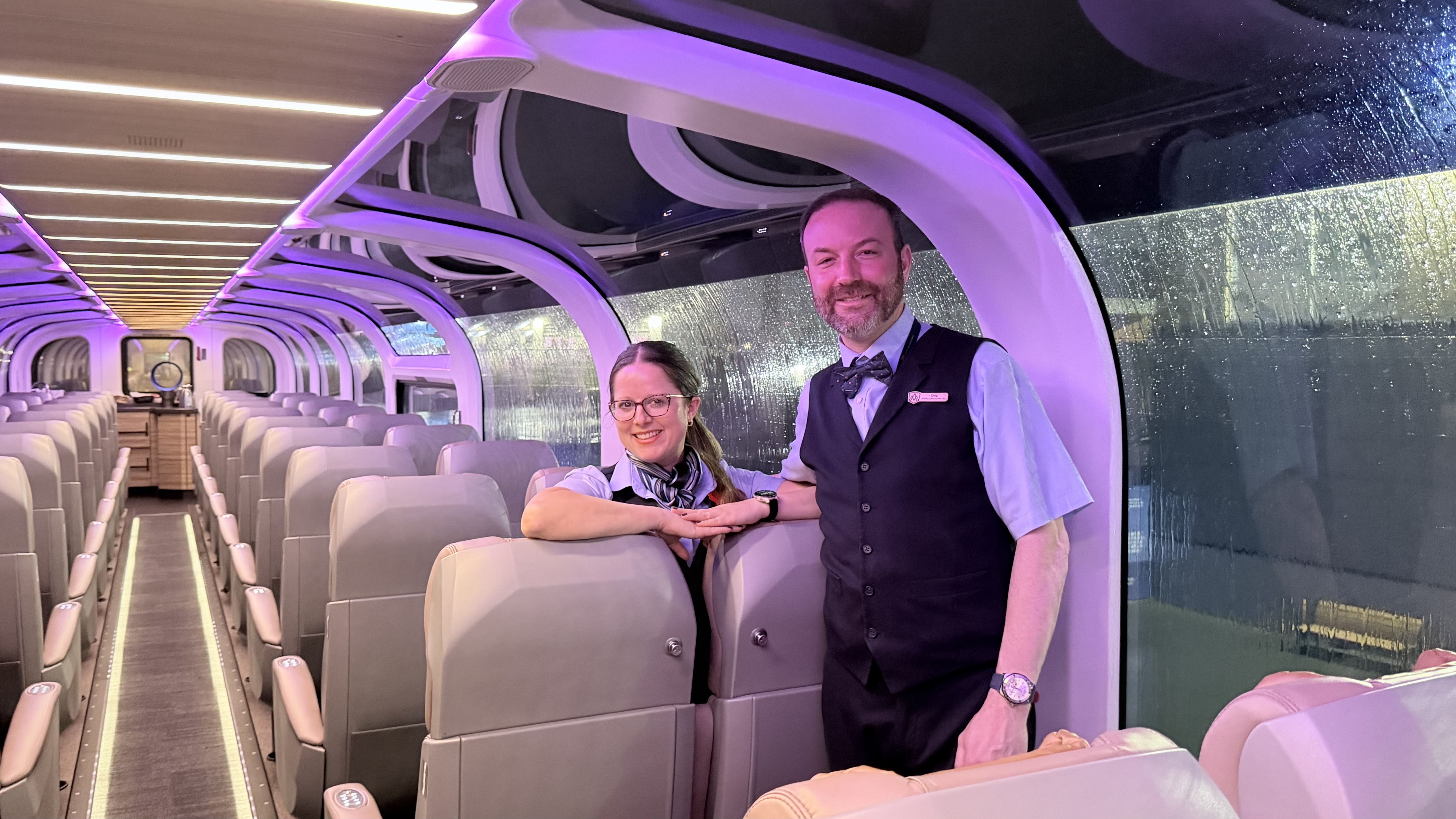
Meanwhile, Fran Loehr of Armstrong Collective discussed the appeal of luxury rail experiences through Rocky Mountaineer and Canyon Spirit.
Daylight rail travel remains a major part of the proposition, with guests able to appreciate the scenery while benefiting from attentive onboard service.
The Canyon Spirit, a daylight train, which operates through the American Southwest between Denver and destinations including Moab and Salt Lake City, has expanded its offerings with a three-day, two-night Salt Lake City extension in 2026. Demand for premium experiences has also prompted the conversion of additional rail cars into lounge cars.
Loehr emphasized the value of working with Railbookers to build packages that extend beyond the train journey itself, incorporating hotels and experiences in surrounding destinations.
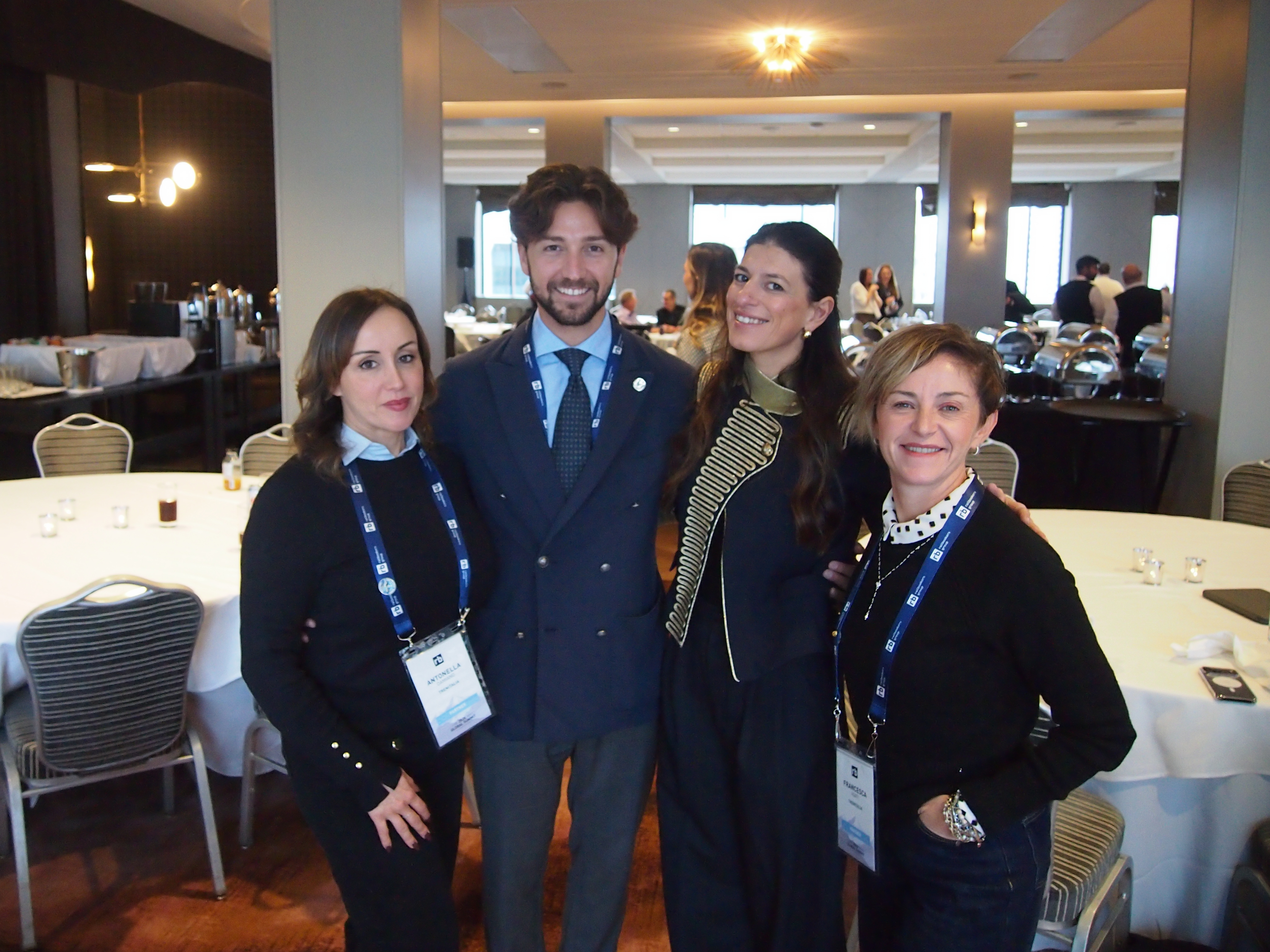
Internationally, the luxury rail landscape is expanding beyond traditional European routes.
The Leading Trains, a B2B platform bringing together distinctive luxury rail journeys under one commercial framework, provides travel professionals with access to a portfolio that includes La Dolce Vita Orient Express and Dream of the Desert. Its upcoming B2B portal, expected to go live in December, will provide a single login for accessing its train products and destinations.
Among the future developments is Dream of the Desert, which is planning its first commercial journey for fall 2027, subject to developments in the regional political environment.
The offering will include journeys through Saudi Arabia, with several packages and private whole-train options. Other developments include the Samarkand Express through Uzbekistan and Guardian of the Nile in collaboration with Egyptian National Railways.
For travellers seeking a different kind of European journey, the Caledonian Sleeper offers an opportunity to fall asleep in London and wake up in Scotland.
Steven Marshall described the 153-year-old railway experience as “a time capsule with an overnight journey providing access to some of Scotland's most recognizable landscapes and landmarks. You can go to bed in London and wake up in the Scottish highlands or Edinburgh.”
Golden Eagle Luxury Trains is also continuing to develop its international portfolio. Tom Dumbrell highlighted the company's flexibility in designing private journeys across Europe, as well as its 14-day Silk Road journey from Tashkent to Almaty.
The itinerary provides a level of comfort and luxury that can be difficult to find independently in parts of the region, connecting destinations through a shared historical and cultural narrative.
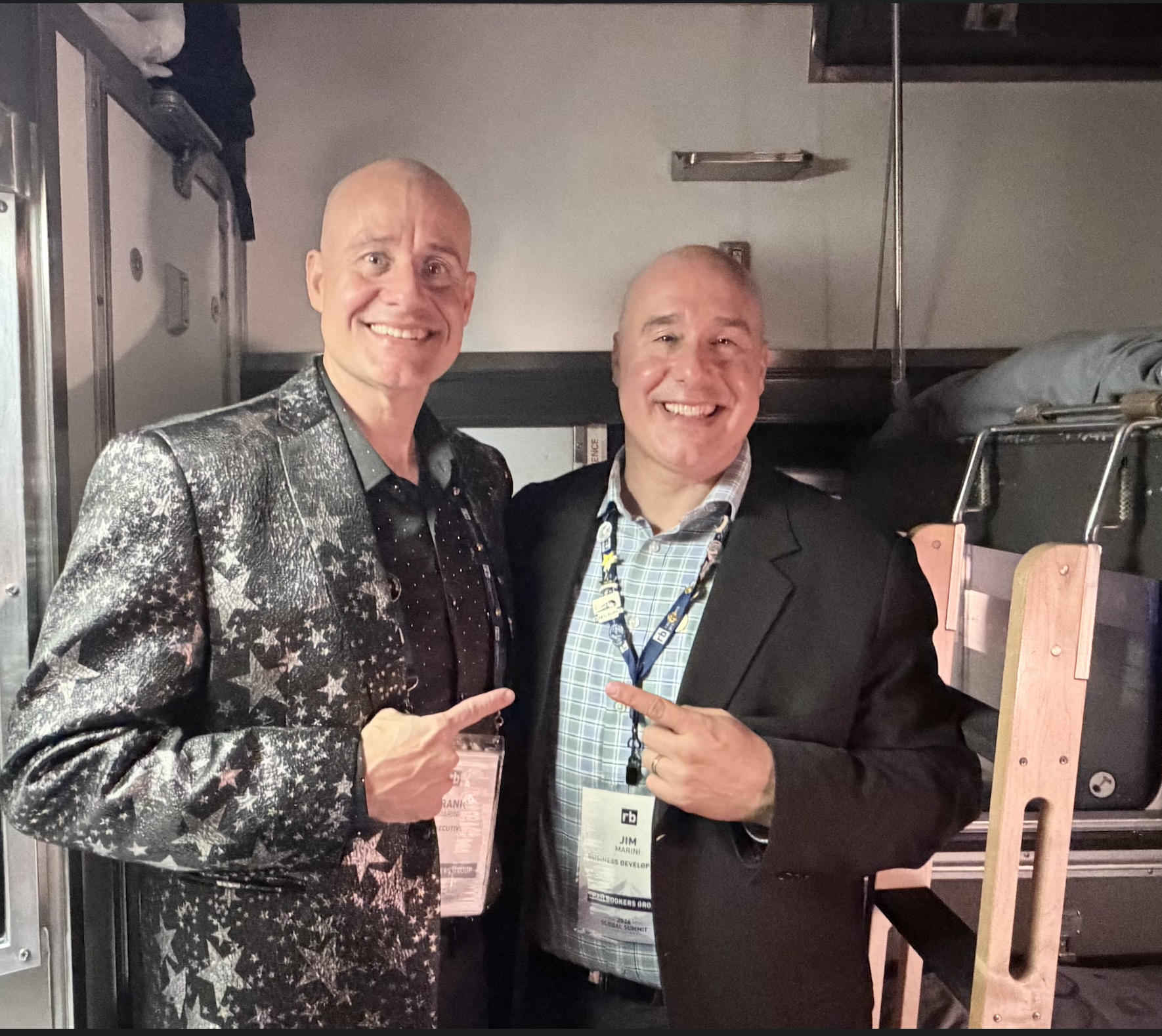
Across the conference discussions, a recurring theme was the importance of specialist knowledge in making rail travel more accessible to the broader travel trade.
For many consumers, booking a flight is relatively straightforward but understanding the differences between rail operators, ticketing systems, routes, accommodations and connections across multiple countries is another matter. That complexity creates a big opportunity for Railbookers. Their role is not simply to sell train tickets, but to assemble complete journeys that incorporate rail, hotels, sightseeing and other experiences.
As Duviquet noted, “combining rail journeys with hotel stays in destinations like Venice and Rome can create particularly compelling itineraries.”
For travel advisors, having a specialist partner capable of managing those details can open up opportunities to sell more sophisticated trips without having to become rail experts themselves.
With new destinations, luxury products, cruise extensions and technology investments planned for 2027, Railbookers is betting that the future of rail travel will be about more than getting from one place to another, it will be about the experience along the way.
Don't miss a single travel story: subscribe to PAX today! Click here to follow PAX on Facebook.