We use cookies on our website.
Some of them are necessary for the functioning of the site, but you can decide about others.


Michael Pihach is an award-winning journalist with a keen interest in digital storytelling. In addition to PAX, Michael has also written for CBC Life, Ryerson University Magazine, IN Magazine, and DailyXtra.ca. Michael joins PAX after years of working at popular Canadian television shows, such as Steven and Chris, The Goods and The Marilyn Denis Show.
Fencing, scaffolding, barriers and bleachers. And more fencing. And not the combat variety.
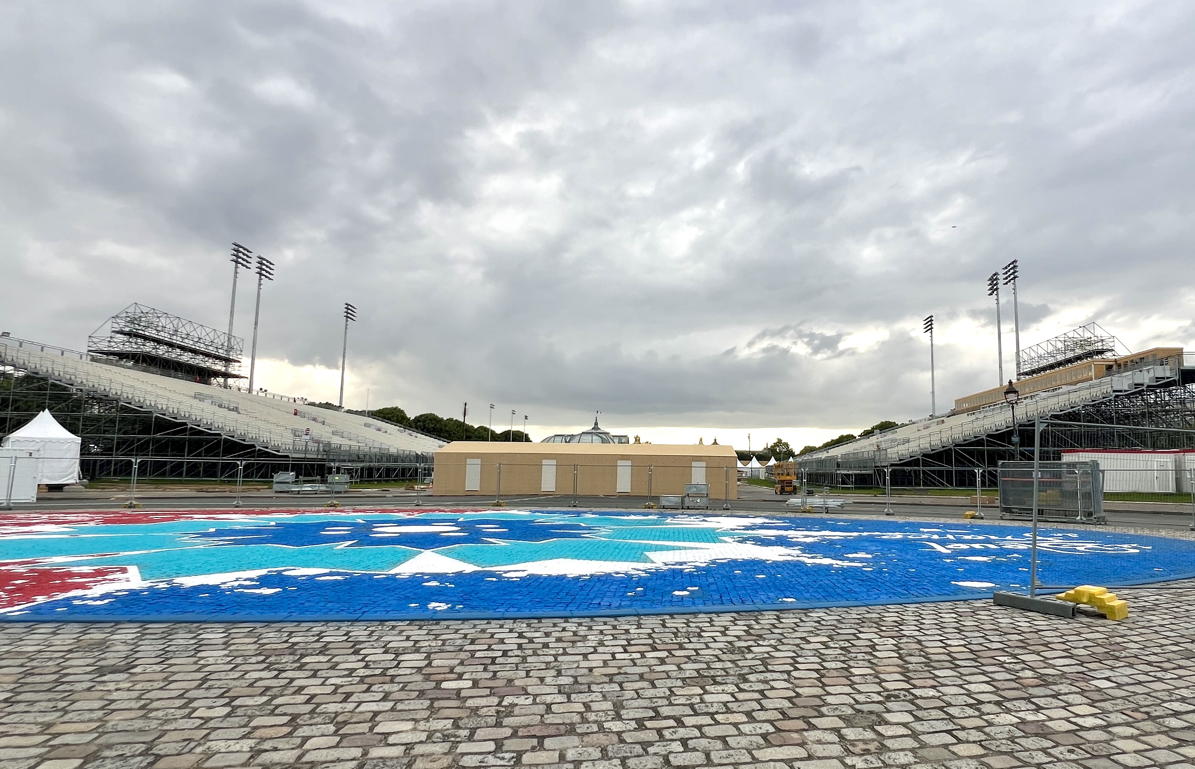
Popular neighbourhoods in Paris have become construction zones as workers move to transform streets and parks into temporary sports venues while the countdown for this summer’s Olympic and Paralympic Games ticks away.
“Paris 2024” – which will see 15 days of Olympic competitions (from July 26-Aug 11) and 10 days of Paralympic games (from Aug 28-Sept 8) – is unique as organizers take sports out of stadiums and place them in public spaces where iconic French monuments serve as a backdrop.
Some 320,000 spectators will be accommodated for the Olympics’ opening ceremony in Paris on July 26, and for the first time in history, this event won't take place in an arena, but outdoors, along six kilometres of the Seine River through the heart of the city.
Between 140 and 170 boats are expected to carry each national delegation at this floating parade, which will double as a major security operation.
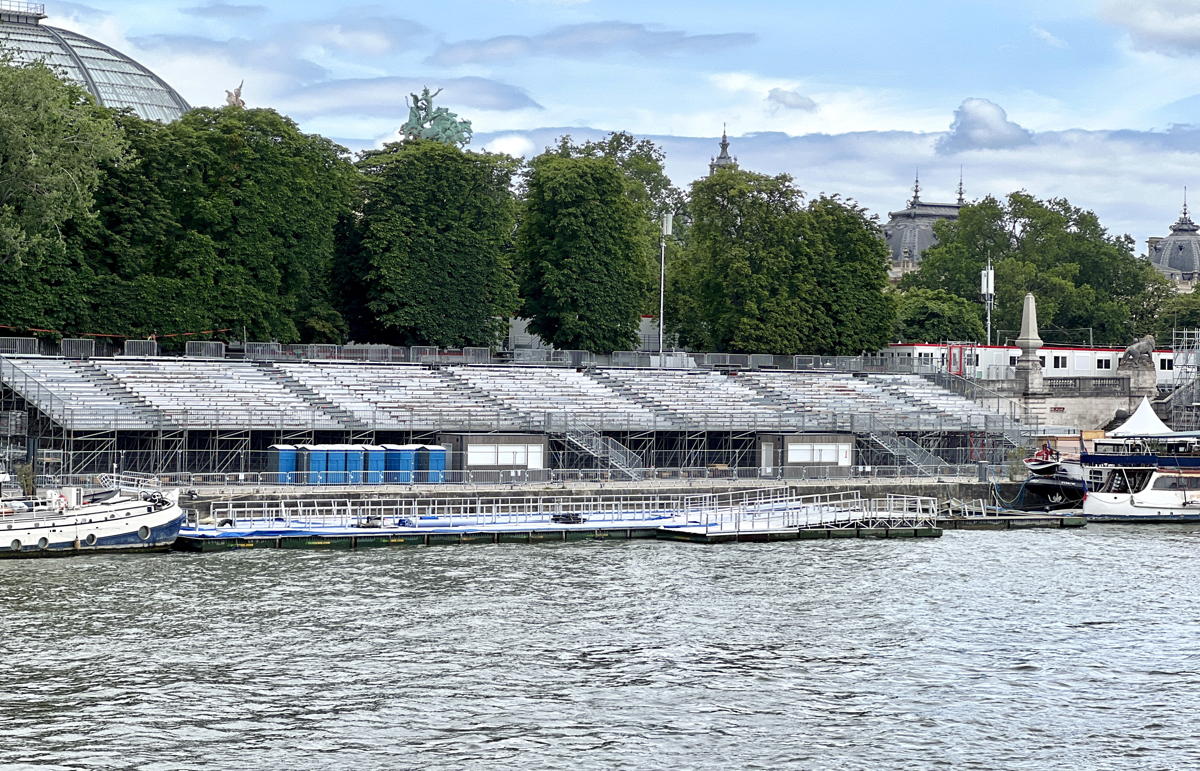
The ceremony will end its six-kilometre route in front of the Trocadéro, a complex of museums, sculptures, gardens and fountains.
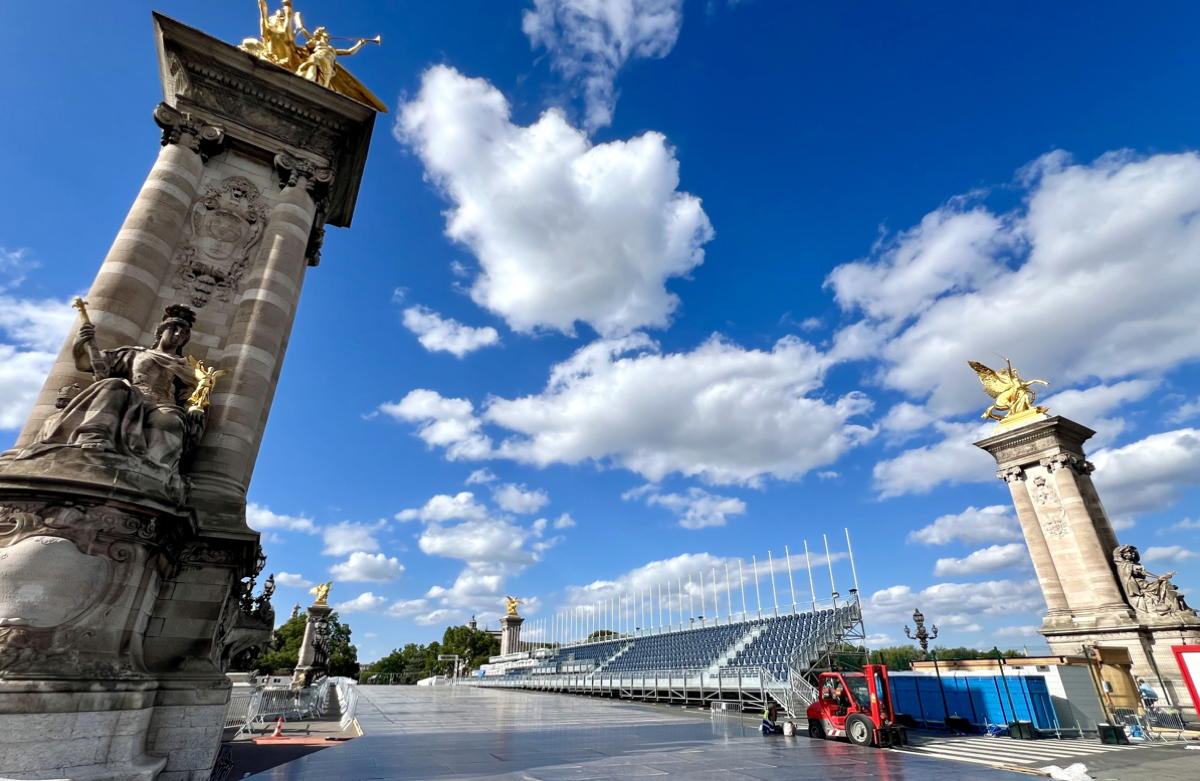
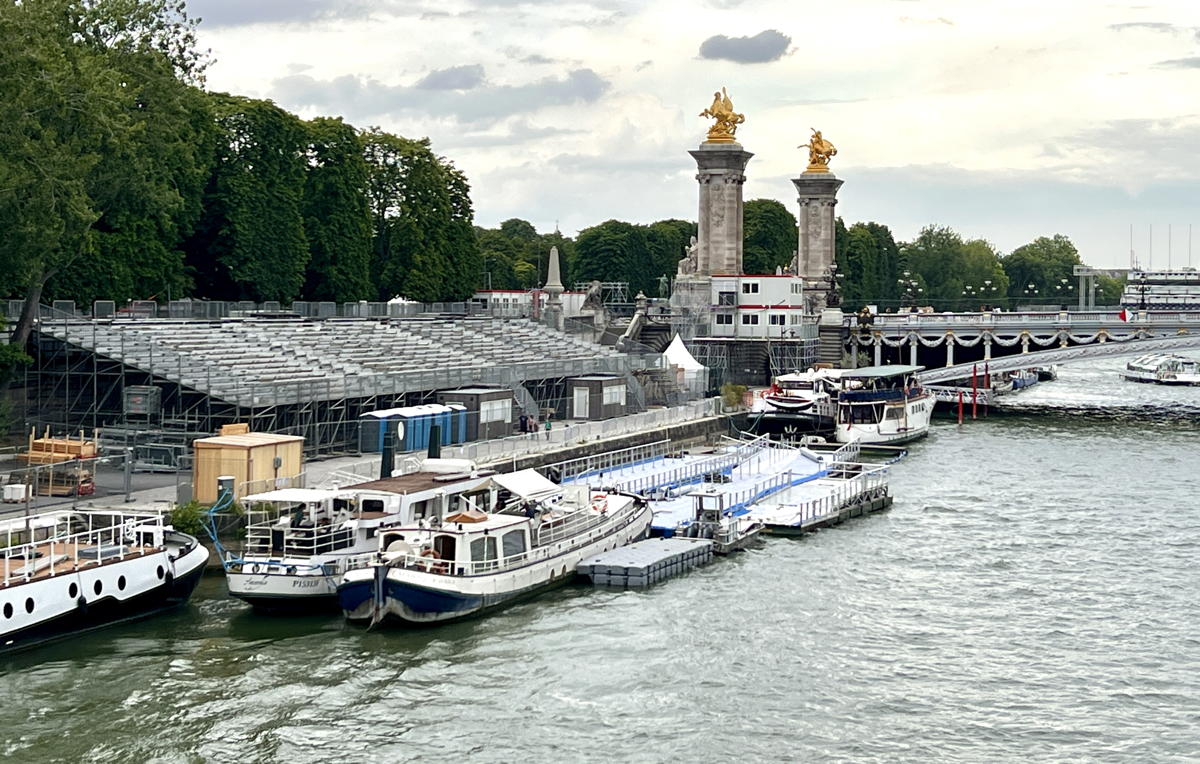
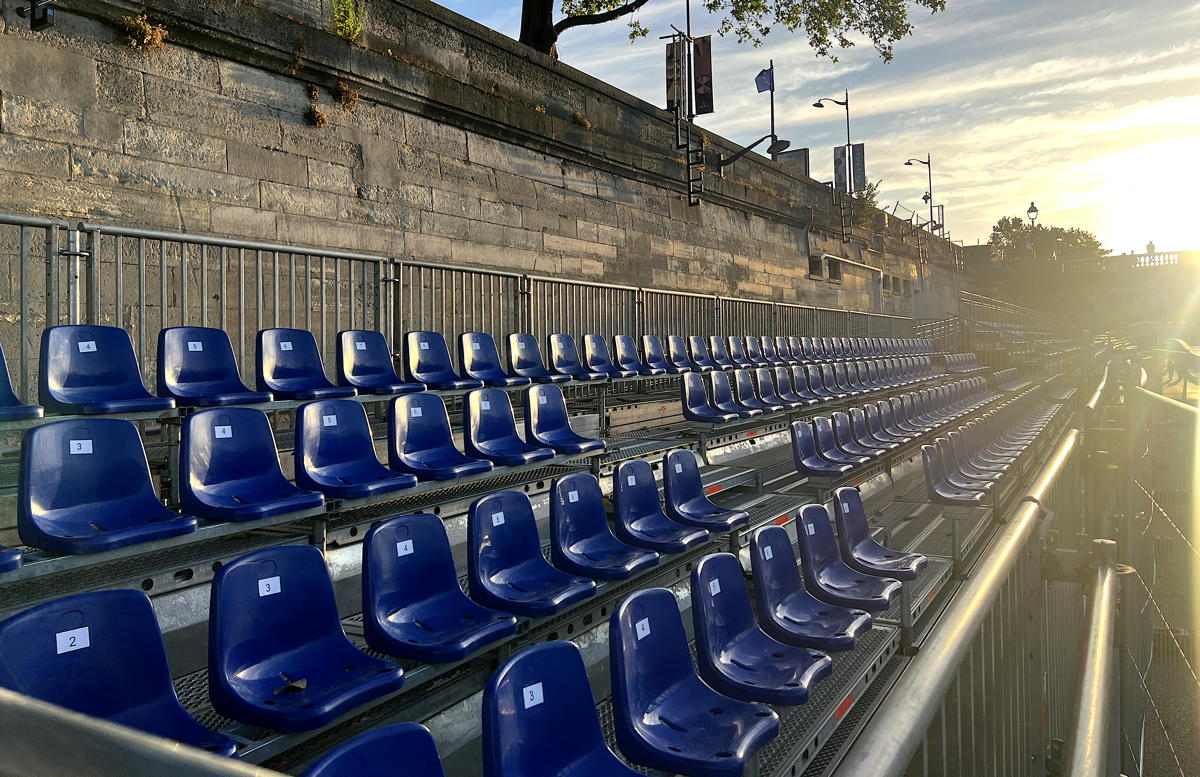
As PAX observed during a recent visit to the City of Light, rows of temporary seating has been installed along the river banks of the Seine, and on top of bridges, such as photogenic Pont Alexandre III, an arch bridge famous for its golden statues.
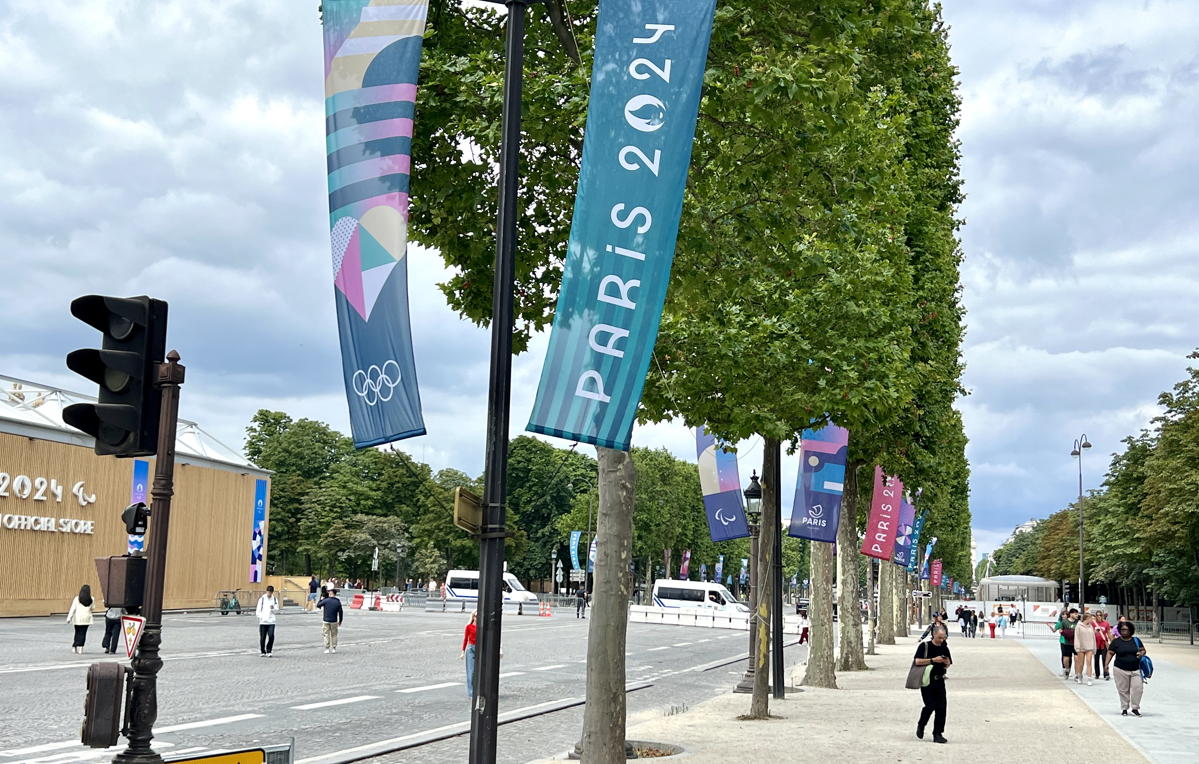
Temporary stands and other types of infrastructure have meanwhile taken over central streets to accommodate some of the 15.9 million tourists that are expected to visit France’s capital this summer.

As per a media kit, Paris 2024 opened the books on 13 million tickets, involves some 45,000 volunteers, and will welcome 14,900 athletes who will compete in a total of 54 sporting events (inclusive of the Paralympic games).
The vision is to host sports in places where you wouldn't normally expect them.
The base of the Eiffel Tower in Paris, for example, is where beach volleyball and paralympic football events will face off.

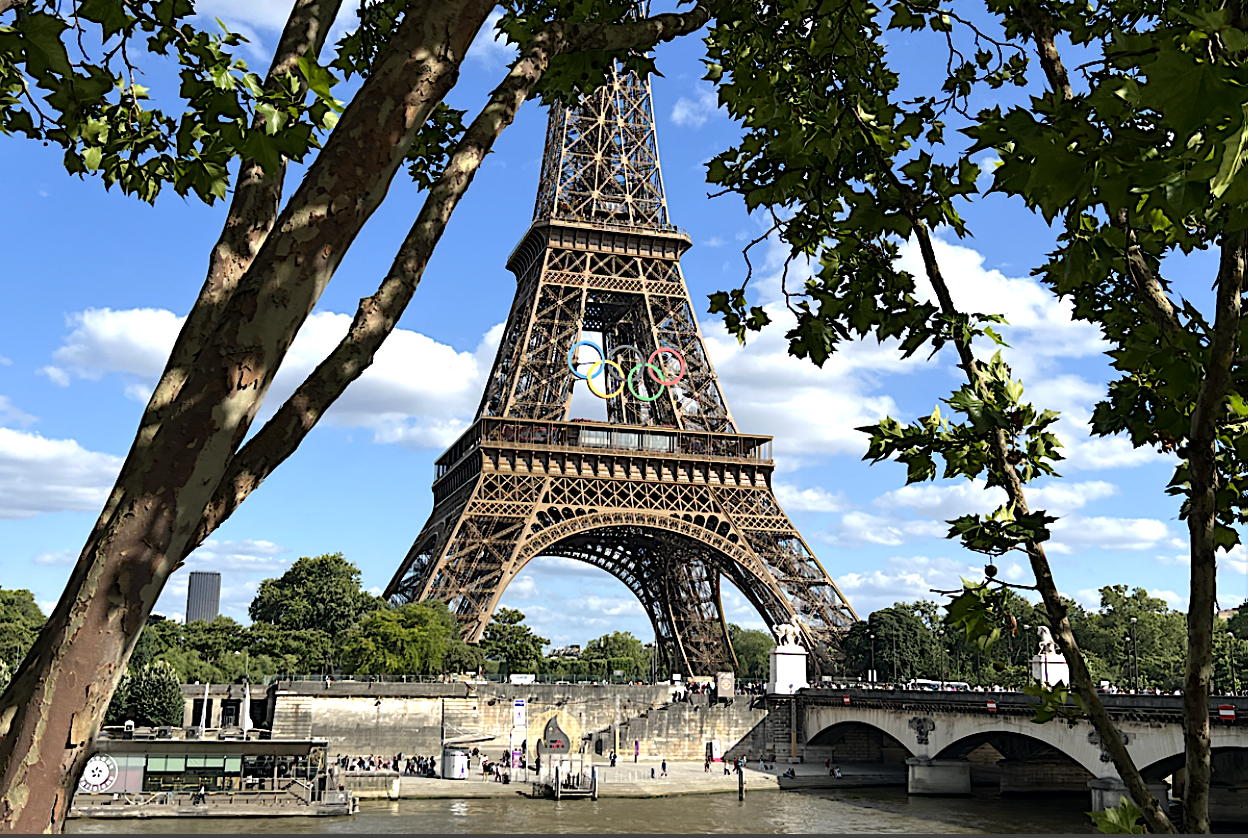
The Eiffel Tower, in particular, has become selfie central for tourists as giant Olympic rings have been mounted on the world-famous monument.
The symbol of the Games is displayed on the south side of the 135-year-old tower, which is located in central Paris, overlooking the Seine.

Two cranes were used to lift the rings, weighing in at 30 tons, to mount them in between the first and second floors of the landmark. Each ring measures nine meters (30 feet) in diameter and are made of recycled French steel.
The famous rings will overlook athletes as they sail their way down the Seine during that opening ceremony.

Clearly, plans for the Olympics – which have been in development for seven years, ever since Paris won the right to host the 2024 Olympics, are becoming a reality.
The Summer Olympics first took place in Athens, Greece in 1896, and were last hosted in France 100 years ago.
Breaking (breakdancing) will make its Olympic debut this year, joined by three other recently-added sports: surfing, skateboarding, and sport climbing.
But unlike previous Olympics, only two new permanent sports venues have been built for Paris 2024.
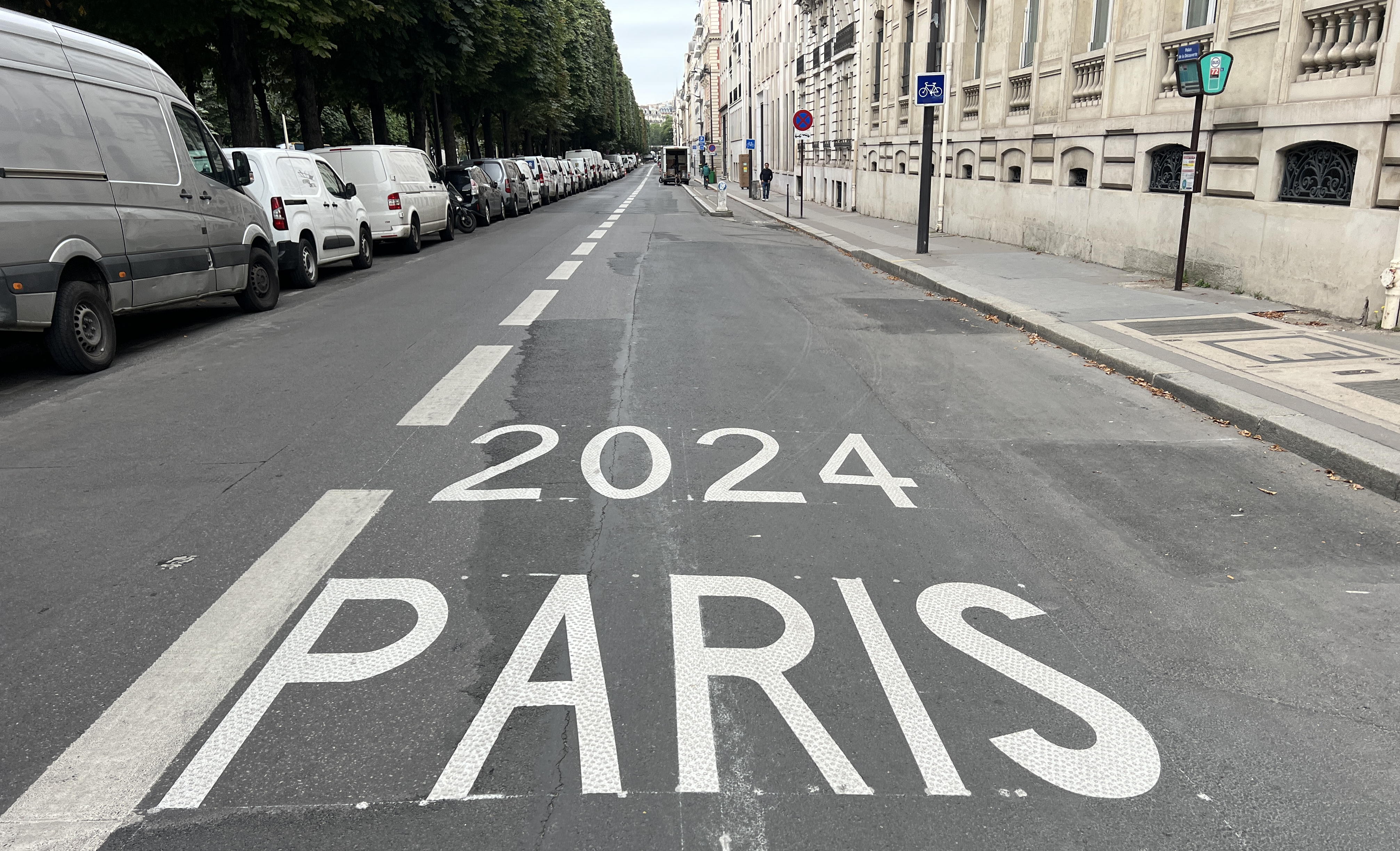
An 8,000-seat arena for badminton and rhythmic gymnastics was inaugurated in northern Paris in February, while a brand-new aquatic centre in a nearby suburb opened on April 4.
Some 95 per cent of sports are set to take place in existing venues, or in makeshift venues that have been built.
Grand Palais, an historic building constructed for the Universal Exhibition of 1900, will host taekwondo, para-taekwondo, fencing and wheelchair fencing competitions, for instance.
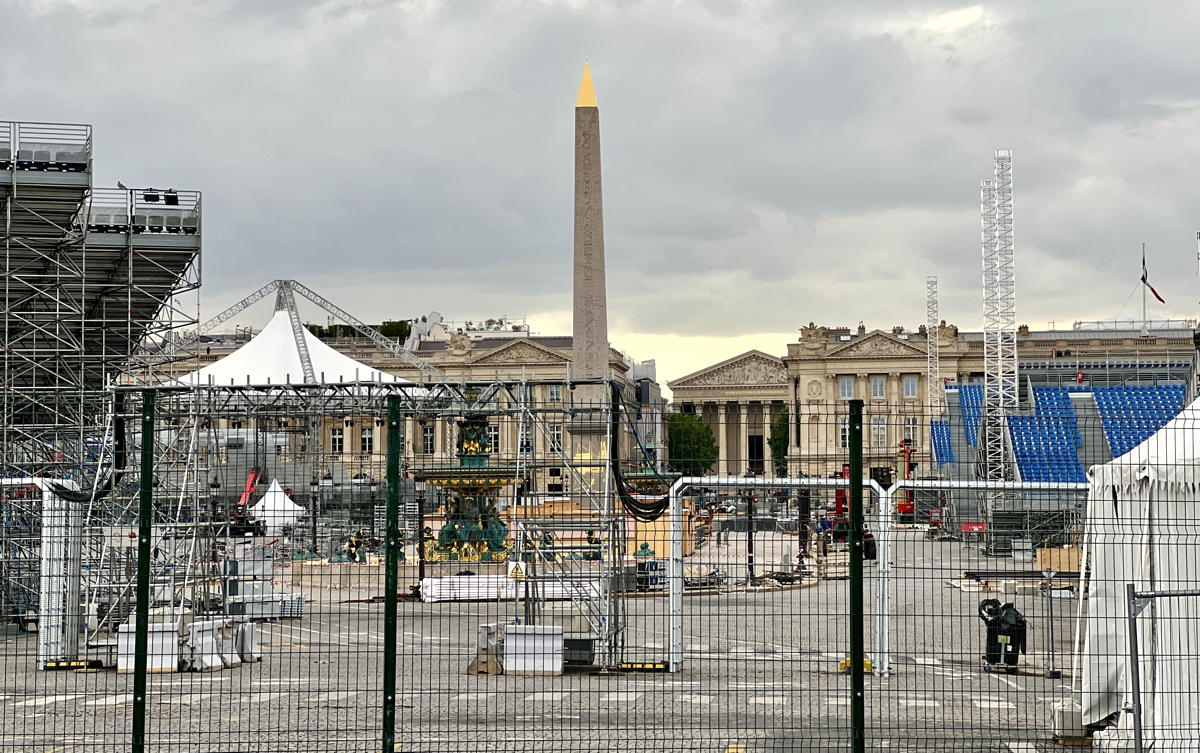
At Place de la Concorde, there’ll be 3x3 basketball, BMX freestyle and skateboarding events, in addition to public celebrations.
The large lawn at Esplanade des Invalides, the site of a former military hospital built by Louis XIV that exhibits monuments linked to French military history and houses Napoleon's tomb, will host archery, para-archery, the start of the marathon and road cycling events.
Even the opulent Palace of Versailles (also built by Louis XIV) will be a sports venue, hosting horse riding, para-horse riding and modern pentathlon events.
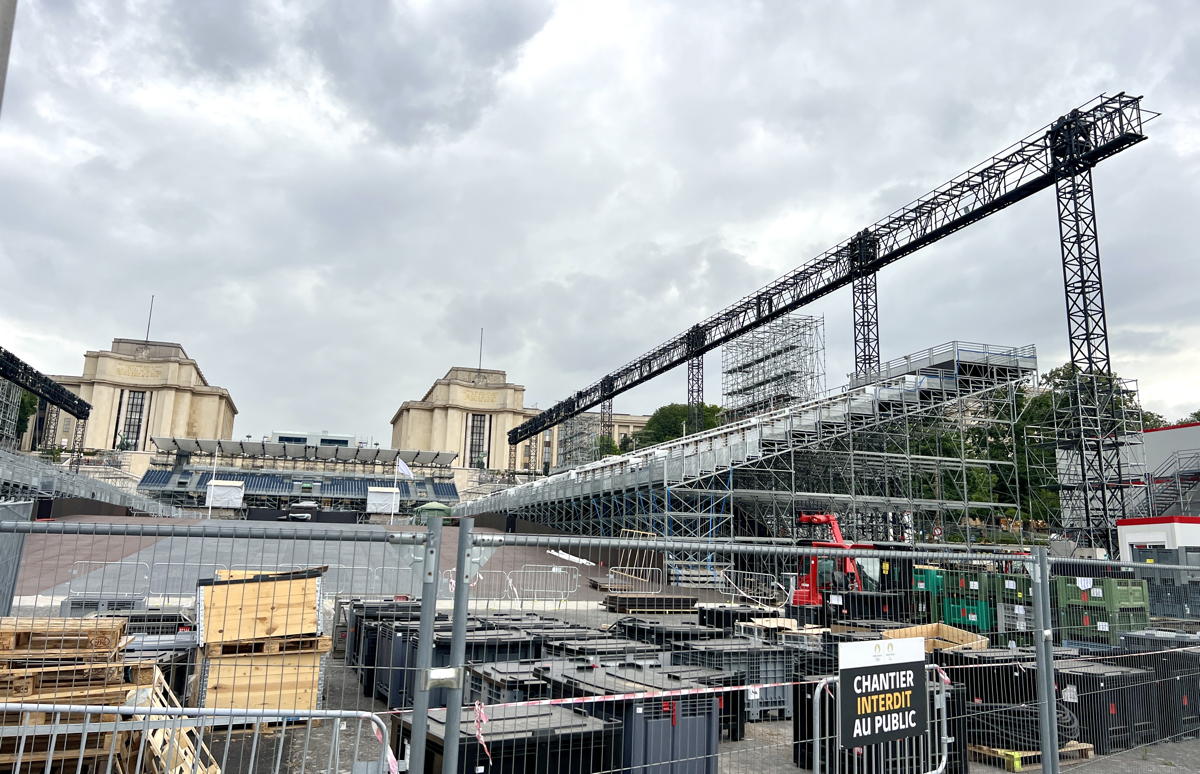
In total, 200,000 seats are being installed in these temporary venues.
Of course, traditional stadiums, such as Stade de France, Roland Garros, Yves-du-Manoir, and other large venues, will also be used for competitions.
READ MORE: Paris hotel occupancy nearing 80% for Summer Olympics
Meanwhile, a flagship store for the Olympic and Paralympic Games has opened on the Champs Élysées, right next to the Grand Palais and the Concorde Urban Park.
As well, an Olympic Village sits on a 51-hectare site less than eight kilometres miles north of Paris. The village, part of a giant piece of land previously occupied by industrial parks and businesses, comprises 330,000 square meters.

The city’s neighbourhoods will “transform into Olympic villages, providing an unprecedented opportunity to explore the culinary, cultural and artistic diversity of the Paris region,” said Christophe Decloux, CEO of Choose Paris Region, a business growth and destination agency, at Rendez-Vous en France, a global B2B event in Toulouse last April.
The Olympics are also making way for innovation. Paris’ public transport system, known as RATP, will use artificial intelligence during the Games to help international visitors navigate their way through the capital.

More than 3,000 transport agents will be equipped with handheld devices that can translate between French and 16 different languages.
Outside of Paris, the games will extend from Bordeaux to Saint Etienne, Lyon to Marseille, Nice to Nantes and Lille to Châteauroux, and go as far as French Polynesia, where the waves of Teahupo'o will host the surfing category.
While iconic architecture will serve as a postcard-perfect backdrop to the Games in Paris, the city’s residents aren’t entirely thrilled about it all just yet.
Local media coverage, in recent months, has been dominated by stories of Parisians being upset about high ticket prices, the cost to taxpayers and strike threats.
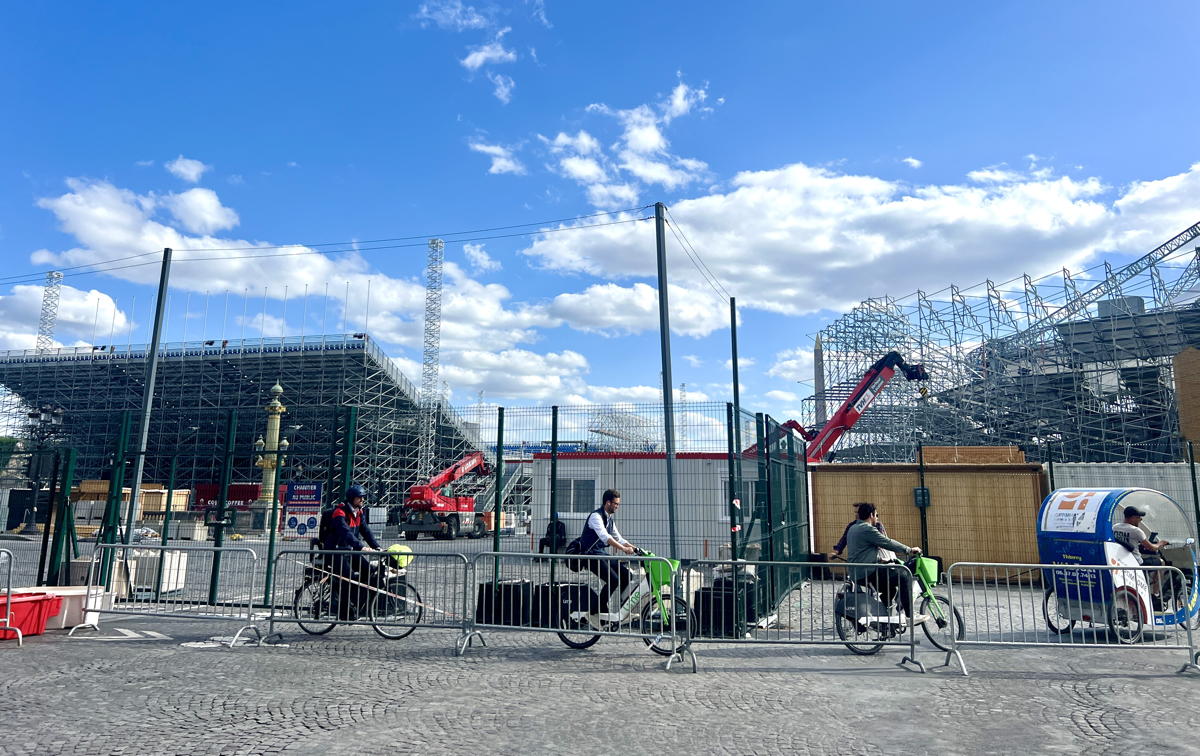
Not everything is 100 per cent ready either. Olympic organizers are still making contingency plans as questions remain about the safety of the Seine, which was due to host open-water swimming events.
Security has been a main focus in recent months.
France plans to deploy about 45,000 French police and security forces, 20,000 private security personnel and around 15,000 military each day to protect the millions of sports fans and tourists attending the Games, reports say.
Decloux said about 20 sites in the Paris region – both touristic and Olympic-related – will be secured during the Olympics with enhanced crime-fighting measures.
As reports have indicated, military personal will use surveillance tech to spot threats from the air and, if necessary, deploy SWAT teams should, god forbid, Paris suffer a terrorist attack.
Insurers are nervous that militant attacks or AI-generated fake images could derail the Olympics, risking event cancellations and millions of dollars in claims, Reuters reports.
Rumours are also swirling, spreading misinformation. In the days leading up France’s recent election, a complex event where leftists won most seats (but no party won a majority), word on the street was that the Olympics were going to be scrapped.
The Paris 2024 committee addressed this in a statement on July 7, calling this “false information.”
“Paris 2024 denies this information and urges people not to share it,” the statement reads. "Paris 2024 will investigate the source of this false information."
What should be noted is that travellers visiting Paris right now, and over the next few months, will see a heightened police presence at airports and on city streets – especially near Olympic sites.
And, with newly-constructed venues now dominating high-traffic areas, getting around Paris may take extra time and patience. Some sites and parks might be closed altogether.
For example, the roads around Place de la Concorde, typically a hive of traffic, are now blocked off to motorists, while pedestrians and cyclists must navigate designated access points lined with heavy fencing.
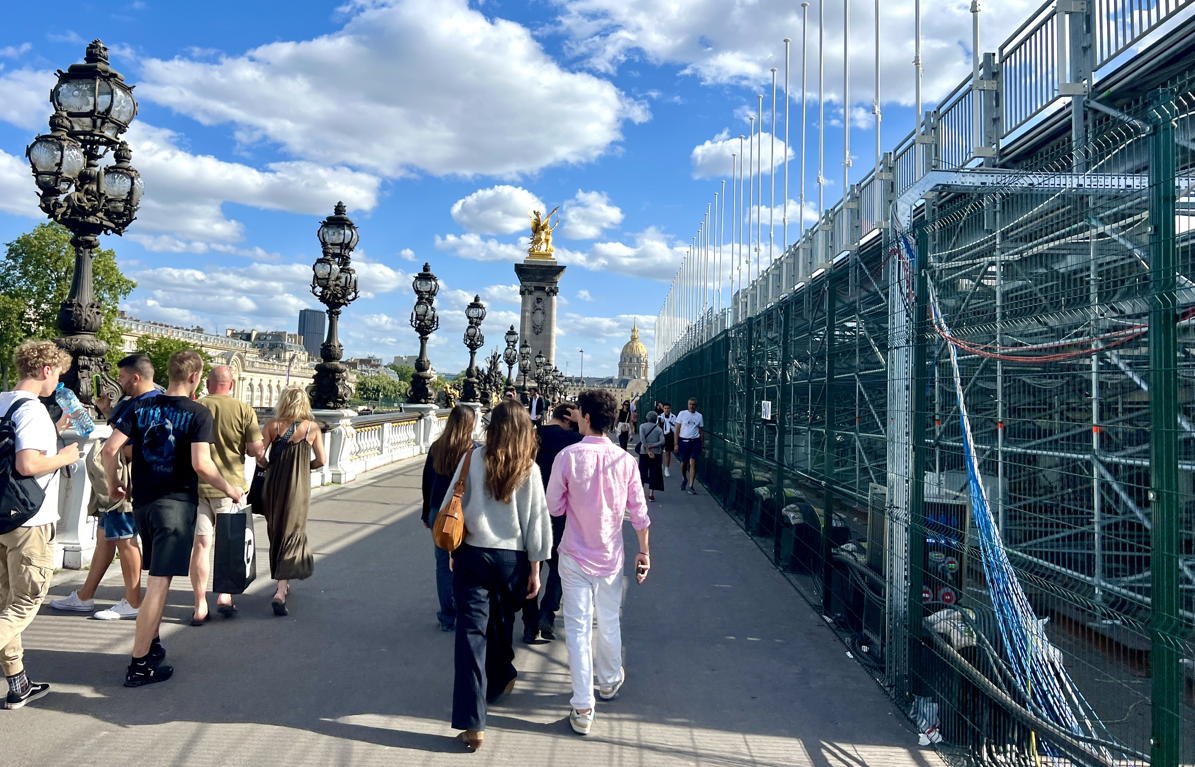
Subway access to this area has also been temporarily closed.
Still, when it comes to getting around Paris during the Games, the advice to visitors is to use public transportation as much as possible.
Decloux said “point-to-point bus shuttles” – some 400 vehicles – will be deployed at all Olympic and Paralympic sites, allowing spectators to jump between venues.
Is a last-minute trip to Paris to watch the summer Olympics even possible? Of course.
Some events are reportedly sold out, but tickets are still available for all kinds of competitions, according to the Paris 2024 ticketing site.
Also consider the fact that many people purchased tickets to the Olympics more than a year ago. Personal schedules have changed since then, so some are reselling their tickets using the official ticketing platform.
And what about hotels? They haven’t filled up (yet).
While you’d think hotels would see a record-breaking summer, local reports suggest that occupancy rates are actually down compared to previous years.
Maybe visitors are holding out for a deal? Or maybe the masses are avoiding Paris altogether, as Air France suggested earlier this month, saying that international markets are steering clear of the city during the Games, noting empty seats on its planes.
As of June 17, occupancy in Paris was peaking at 77.8 per cent on Saturday, July 27, the night of 14 gold medal events, according to Forward STAR data from CoStar, a real estate marketplace and analytics company, releasing data at the end of June.
Opening night is a close second with occupancy on the books at 77.7 per cent for Friday, July 26, the company said.
“While the Olympics are expected to bring a surge in leisure travel, there does seem to be a shift in business travel patterns leading up to the games,” said Christina Choueifaty, senior account manager at STR. “However, the lower demand we’re seeing for the early summer months can be seen as a temporary adjustment.”
The dip travel, in the short term, is allowing Paris to “focus on catering to the massive influx of leisure travellers visiting the market [in July],” Choueifaty said.
“In the long run, the Olympics will further solidify the city's position as a major tourist destination, potentially attracting even more demand in the future,” she said.
On that note, Let The Games Begin.
Don't miss a single travel story: subscribe to PAX today! Click here to follow PAX on Facebook.