We use cookies on our website.
Some of them are necessary for the functioning of the site, but you can decide about others.


Michael Pihach is an award-winning journalist with a keen interest in digital storytelling. In addition to PAX, Michael has also written for CBC Life, Ryerson University Magazine, IN Magazine, and DailyXtra.ca. Michael joins PAX after years of working at popular Canadian television shows, such as Steven and Chris, The Goods and The Marilyn Denis Show.
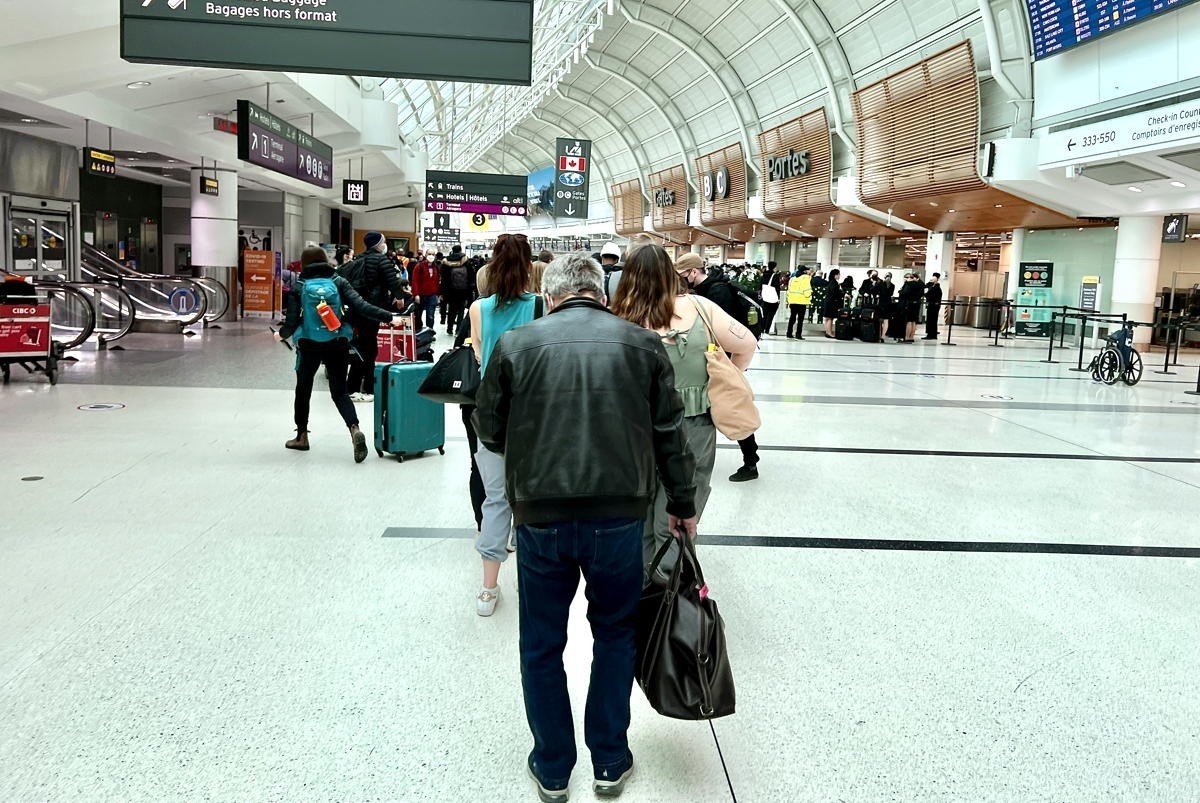
The federal government tabled a bill in the House of Commons on Tuesday (June 20) that aims to boost accountability at airports with new legislation that would require more performance reporting.
The new rules under Bill C-52, announced by Transport Minister Omar Alghabra, would require airports and operators to implement service standards and publish data that can be compared against benchmarks.
The Enhancing Transparency and Accountability in the Transportation System Act would enact the Air Transportation Accountability Act and amend the Canada Transportation Act and the Canada Marine Act.
The rules could, for example, track progress on improving security screening wait times to identifying how long it takes suitcases to reach carousels.
"It's no secret that the challenges of the last few years have impacted transportation systems here in Canada and globally,” Minister Alghabra said in a statement Tuesday. “As we head into another busy travel season, we have seen how a disruption at one end of the system can have effects across the entire network.”
“Together, the measures in this proposed legislation would help create a more accountable, transparent and accessible national transportation system that meets the needs of Canadians."
The proposed changes would unfold in three parts.
The first phase focuses on improving the passenger journey, requiring airports to publish data on the outcomes of their performance surrounding wait times at security and luggage retrieval.
It also aims to formalize processes for notifying communities about aircraft noise and pollution reduction.
READ MORE: Air passenger rights changes put burden of proof on airlines, not travellers, says Ottawa
There’s also a requirement for authorities at federally-incorporated airports to report on diversity among their directors and senior management.
The second phase aims to achieve a barrier-free travel experience for persons with disabilities.
Transportation service providers would have to collect and provide accessibility data to the Minister of Transport and the Canadian Transportation Agency in order to identify barriers in the system.
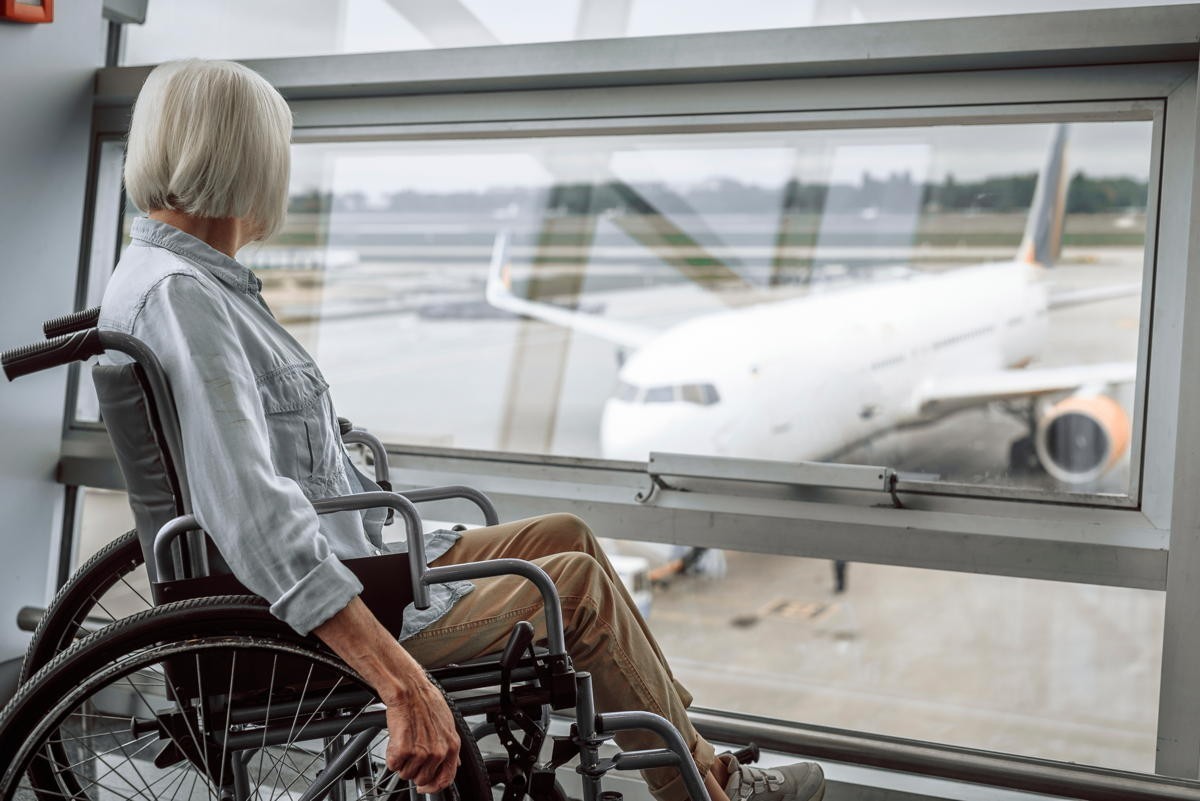
Earlier this year, in a report released by Canada's auditor general, it was found that two-thirds of people with disabilities faced barriers on federally regulated planes and trains in 2019 and 2020.
Part three of the legislation would amend the Canada Marine Act to provide greater transparency on how ports set their fees.
“The changes proposed in Bill C-52 would ensure Canada's transportation sector remains a world-leader in efficiency, accessibility, and accountability,” said Transport Canada.
“The bill would also enable the Government of Canada to create regulations for alternative dispute resolution regarding leases for port terminals and allow the Canadian Transportation Agency to recover costs for rate-setting and dispute resolution provisions.”
It all sounds like a good idea, but one group is already taking shots at the bill, saying it misses the mark.
Unifor – the union that represents some 16,000 members across Canada in the aviation sector – says the Air Transportation Accountability legislation fails to address “the root problems of air passenger travel” – this being, working conditions in the sector.
"They're missing a huge piece of the puzzle," said Unifor National President Lana Payne in a statement yesterday.
"Transport Canada expects this legislation to be used to improve conditions at airports, but they've missed the mark by not acknowledging air transportation workers. Our members' working conditions are the public's travel conditions and right now, neither are nearly as good as they should be."
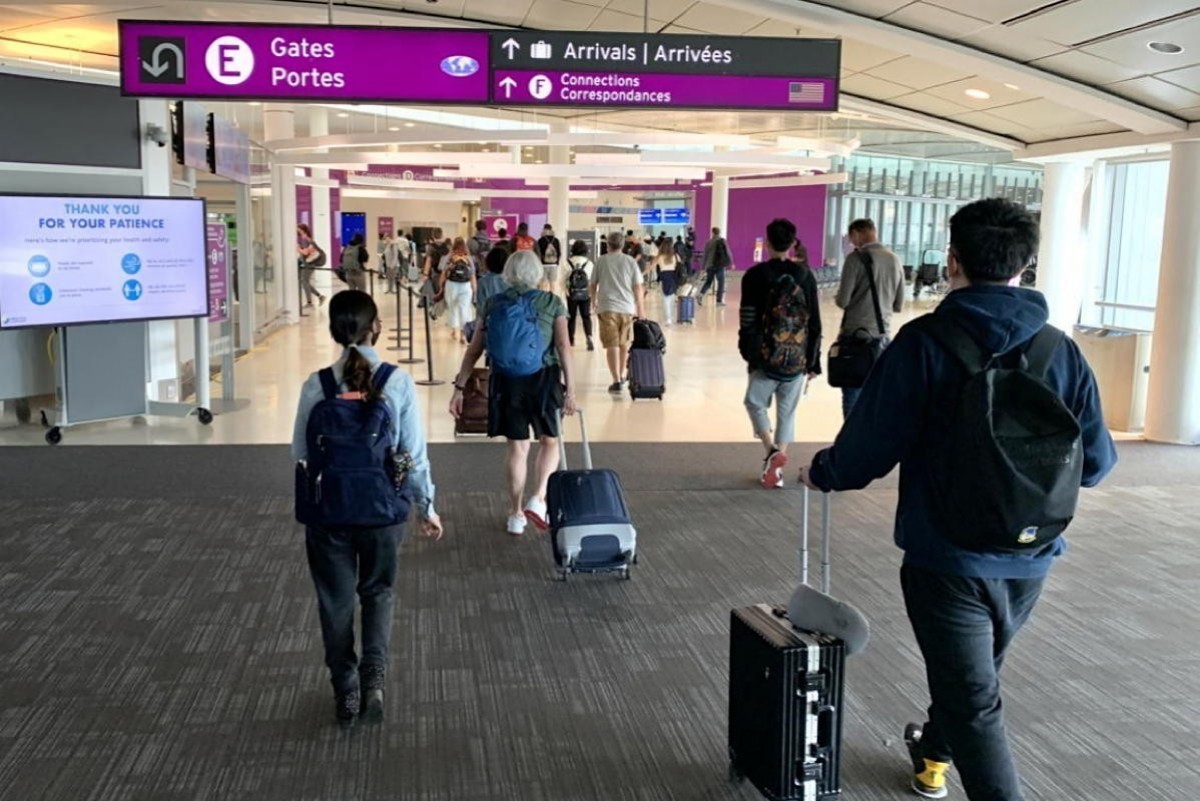
While Bill C-52 would allow Ottawa to impose service standards on flights and flight-related services, the outcome will not be met if the government doesn't also focus on improving standards of work in airports, and on flights, to ensure enough staff are attracted and retained in the industry to meet the requirements, Unifor says.
Unifor says it, alongside air transportation workers, have been calling on the government to improve working conditions “for months.”
The union's demands include requiring airport authorities and other organizations in the air transportation sector to pay a living wage instead of the bare minimum and ending the worst effects of contract flipping by implementing full successor rights.
Improving the travel experience and meeting the standards will require a revamp of how the industry treats workers and values the work that is performed at all stages of service – from checking in luggage to ground handling and customer service, to take-off and landing, the union said.
The legislation allows Ottawa to limit the number of aircraft movements at airports, limiting supply instead of meeting passenger demand, the union also pointed out.
The bill also focuses on noise management and complaint handling and requires airport authorities to develop climate change plans, facing fines and penalties for violating the Act.
These solutions are “not enough,” the Unifor said.
"If the quality of jobs in the sector continues to erode, the service standard will never be met. This Act is completely devoid of any kind of minimum requirements for the workers who are expected to maintain the standard, such as living wages, successorship rights for contract flipping, and adequate quality training," stated Leslie Dias, Unifor's director of airlines.
Don't miss a single travel story: subscribe to PAX today! Click here to follow PAX on Facebook.