We use cookies on our website.
Some of them are necessary for the functioning of the site, but you can decide about others.

A previous version of this story contained inaccurate information. This story has since been updated with a clarification from WestJet about the status of WestJet Cargo.
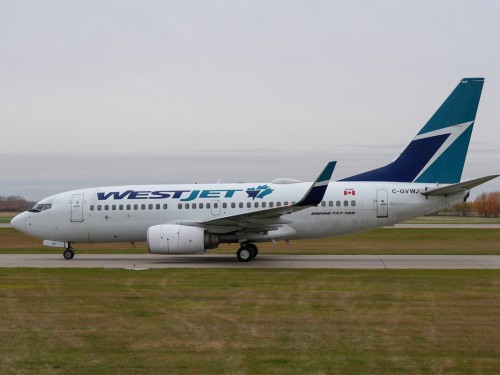
The WestJet Group says it has made a strategic shift in its cargo freighter operations.
As announced at the beginning of March, WestJet Cargo is discontinuing its cargo-dedicated freighter operations.
As reported in Simple Flying, the airline, which primarily focuses on transporting passengers, has struggled to create long-term viability for its cargo branch in what’s considered a relatively small market.
WestJet will, however, continue to operate both its freighter and belly cargo services, refocusing its core efforts on belly cargo operations, the airline told PAX on Tuesday (April 1), refuting earlier reports that suggested its cargo operations were shutting down completely.
Meanwhile, the WestJet Group is exploring new opportunities for its cargo freighter fleet, the airline said.
Currently, two 737-800 Boeing Converted Freighters (BCFs) remain in service, while two are in storage at WestJet Cargo, the company said.
The airline says it will continue to explore various opportunities for these aircraft.
The update comes as WestJet’s Executive Vice President of Cargo, Kirsten de Bruijn, steps down from her role. She will leave the company in June.
“Her leadership has been instrumental in the growth of WestJet Cargo, which remains fully operational and committed to meeting our customers’ needs,” WestJet said in a statement.
The executive came to Canada from Qatar Airways in 2022, when the cargo market continued to perform well in the wake of the pandemic.
In the meantime, WestJet Cargo will optimize its belly capacity of WestJet’s entire passenger fleet, “which continues to provide a reliable and sustainable solution in global airfreight," the airline said.
Ongoing challenges have plagued WestJet Cargo in recent years. The company ended all of its scheduled operations one year after its launch, grounding two of its four planes. The other two aircraft remained in the sky through charter operations.
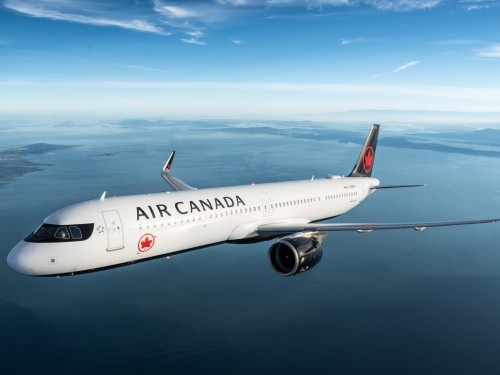
Canada is also a very competitive landscape for aviation, with Cargojet currently dominating the sector. Rival Air Canada also has its own cargo business.
Don't miss a single travel story: subscribe to PAX today! Click here to follow PAX on Facebook.