We use cookies on our website.
Some of them are necessary for the functioning of the site, but you can decide about others.


Michael Pihach is an award-winning journalist with a keen interest in digital storytelling. In addition to PAX, Michael has also written for CBC Life, Ryerson University Magazine, IN Magazine, and DailyXtra.ca. Michael joins PAX after years of working at popular Canadian television shows, such as Steven and Chris, The Goods and The Marilyn Denis Show.
“Just because we’re not booking the same number of passengers that we once were doesn’t mean the communication stops,” said Vincent Frascogna, vice-president, Americas, at Etihad Airways.
The communication line was open on Thursday (Aug. 13th) as Mr. Frascogna spoke with PAX, via web cam, to relay the latest updates from the United Arab Emirates’ (UAE) national airline.
There’s a Canadian angle, for one – following the recent easing of travel restrictions by UAE authorities on outbound and inbound travel for citizens and residents, Etihad has resumed flights from its home base in Abu Dhabi (AUH) to Toronto, offering five nightly departures from YYZ on board its Boeing 787-9.
(Frascogna noted that Etihad has already filed to increase that Toronto service to six days a week, hopefully come September).
The airline has returned to the United States, too: notably, New York (JFK), Chicago (ORD), and Washington D.C. (IAD).
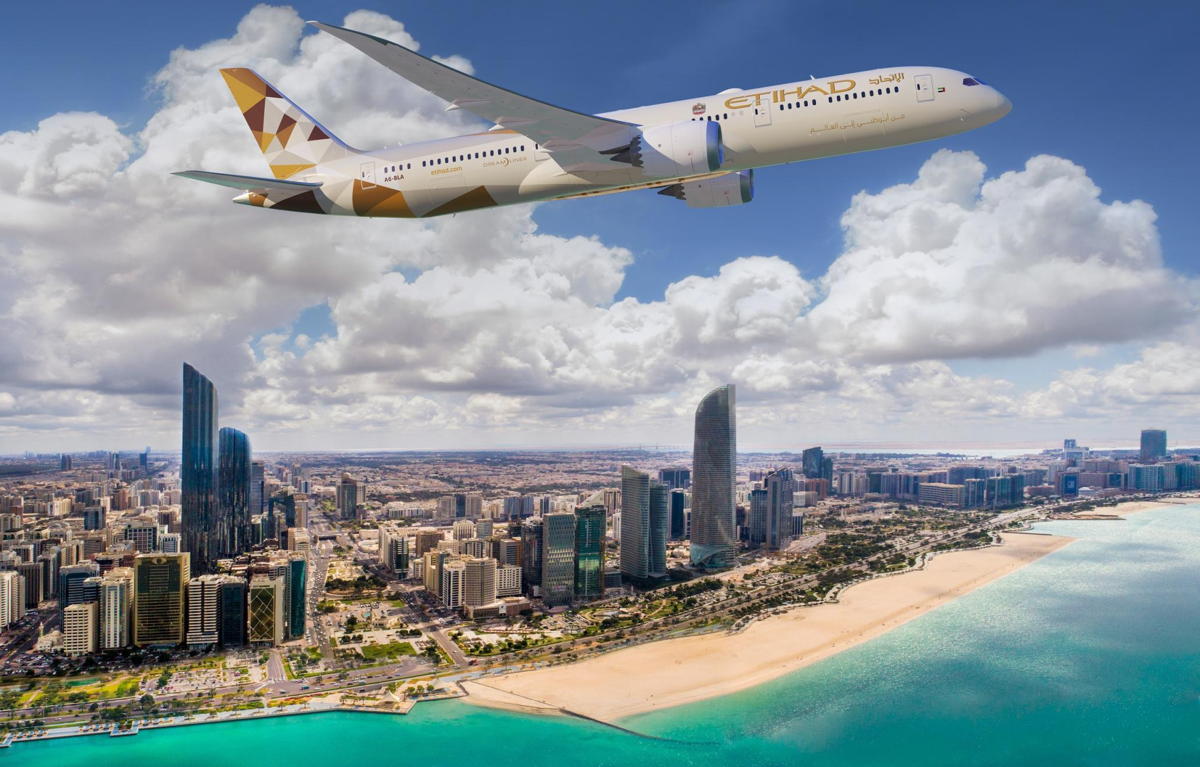
While Abu Dhabi remains closed to international tourists, all this indicates that things could change very soon.
Like many airlines, Etihad grounded most of its fleet in March when the COVID-19 pandemic closed international borders and brought air travel to a halt.
Since then, the carrier has operated repatriation flights – between Canada and India, for example – and many cargo operations.
Etihad’s return to North America, however, is significant as it moves to capitalize on what it calls a “pent-up demand” among friends and family wanting to fly across the world and visit one another.
“They’re the ones who are willing to travel because, generally, they have accommodation at either end of their journey,” Frascogna told PAX. “When a 14-day quarantine was implemented, it didn’t cause much of an issue with that particular segment because the intent is to visit the people they’d be quarantined with in that market.”
Quarantine measures – Canada’s own 14-day self-isolation order for inbound travellers, for one – will “of course” continue to impact the leisure and corporate travel markets, said Frascogna.
“But it’s something we have to work around,” he said. “We have to be flexible, fluid, and adjust our network with the ever-changing requirements by country.”
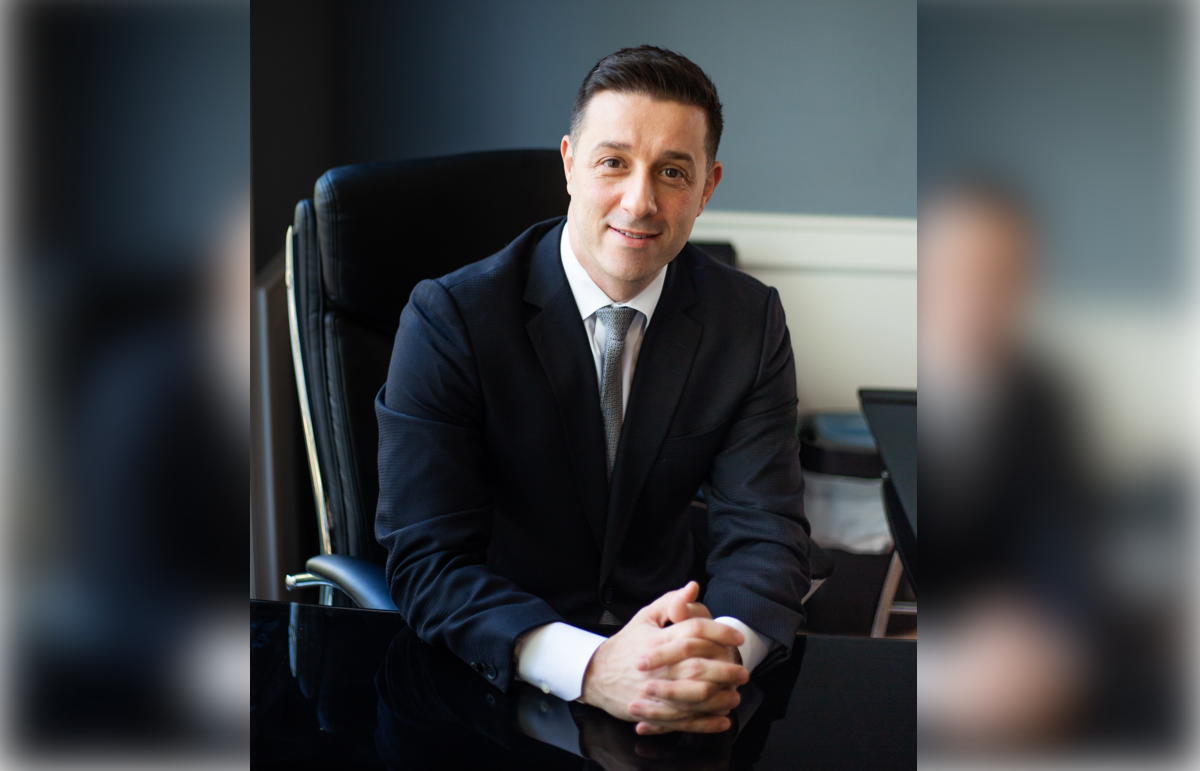
Frascogna exudes a sense of patience when speaking on Etihad’s restart.
“As much as we want passengers flying, we have to do it in a safe, secure and sustainable way,” he said. “There’s no point in us, from a commercial perspective, putting aircraft in the sky at the determinant of safety for our consumers and mutual guests.”
Restoring consumer confidence amid the pandemic is key these days, and Etihad’s current protocols might very well set a standard for what’s to come.
Since August 1st, for instance, all travellers flying Etihad from around the world to Abu Dhabi, including those transferring via Abu Dhabi onto other flights, have been required to show a negative COVID-19 polymerase chain reaction (PCR) test result.
(Children under 12 and people with mild and severe disabilities are exempt from this).
As a UAE government order, the PCR test must be carried out within 96 hours prior to arrival in Abu Dhabi and a negative COVID-19 PCR test result certificate from an approved clinic list must be shown for approval to board. (Click here for more).
“Yes, it’s an additional process,” said Frascogna, “but passengers are telling us at check-in, ‘I actually feel more confident flying with you now because I’m on an aircraft where everybody has presented a negative PCR test.”
Here in Canada, pieces of this process are already being put into place. On Monday (Aug. 17), Switch Health, a Canadian company and leader in COVID-19 testing initiatives, announced a partnership with Pure Health, one of the largest laboratory networks in the UAE, to bring safe travel to passengers flying from Canada to the UAE.
The deal in Canada will provide PCR COVID-19 testing, conducted pre-departure, to allow for safe and reliable air travel for those travelling to the UAE.
Outside of that, one of Etihad’s biggest barriers, now, is waiting for other countries to ease their entry requirements.
While based in Abu Dhabi, Etihad carries a vast number of travellers to other core markets, such as Pakistan, India, and elsewhere in the Middle East.
“We’re reliant on transit markets opening up for passengers to travel,” he said. “It limits what we can do in terms of resumption of services.”
Still, despite this, the airline has successfully leveraged other business ventures when and wherever possible.
In July, for example, Etihad played a role in UFC 251’s extravaganza, flying fighters, crews and officials to Abu Dhabi, which created a quarantined “safe zone” on the city’s man-made Yas Island – dubbed "Fight Island” – that was bolstered by coronavirus protocols.
“We’re in a very fortunate position where we work hand-in-hand with our destinations,” said Frascogna.
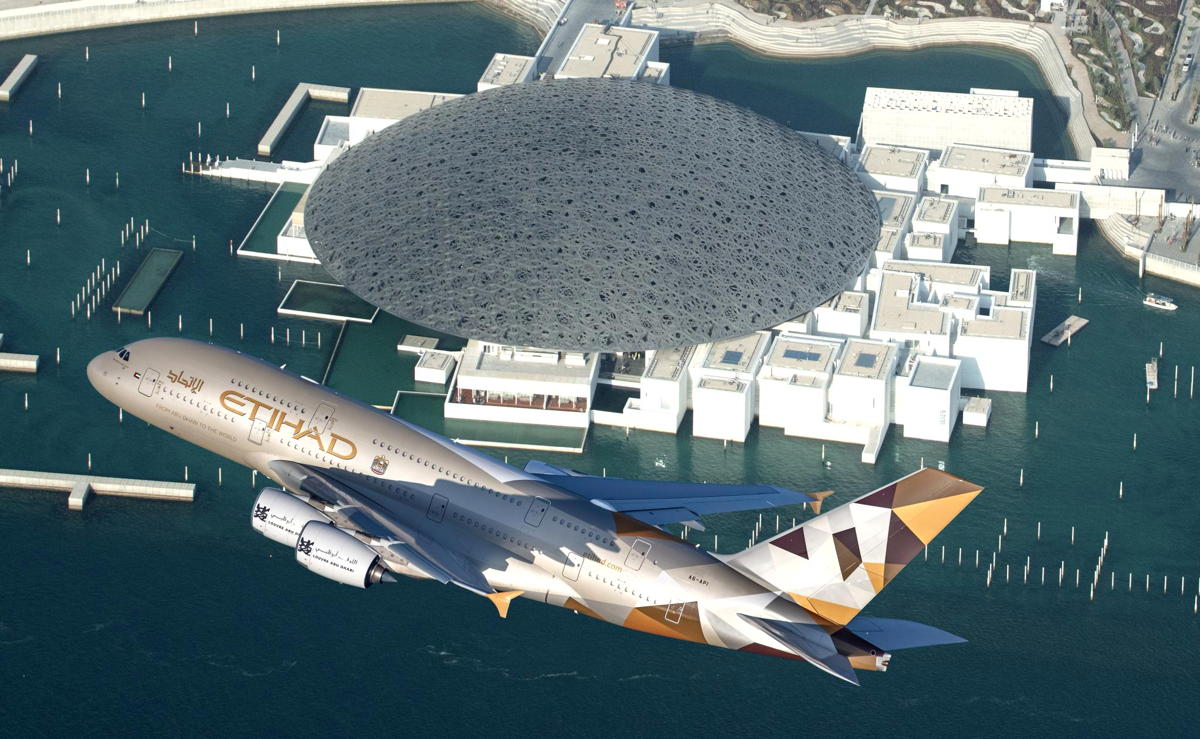
Since the beginning of the coronavirus crisis, airlines have had to reimagine the travel experience with innovative, end-to-end solutions.
For Etihad, that includes the introduction of a rigorous health and hygiene program called “Etihad Wellness.”
The program, as expected, is part of a long list of new and previously-existing health and safety protocols that Etihad is showcasing – from social distancing measures to food testing to air filtration technology (HEPA filters, in particular) to enhanced aircraft cleaning – so passengers can fly with greater peace of mind.
“We’re now in the theatre of wellness, hygiene and cleanliness,” said Frascogna, noting how those qualities were “always part and parcel” of what Etihad offered.
Still, as the COVID-19 situation evolves, it’s expected that today’s travellers (perhaps more than ever) have questions.
To meet that demand, Etihad created a multi-lingual team of “Wellness Ambassadors” – employees who, on the ground and in the air, provide health information to passengers, from the time of booking to their point of arrival.
Considered an industry first, the Wellness Ambassadors can be contacted via phone, email or web chat, 24/7. They will also be visible at Abu Dhabi International Airport, and on flights, complementing the roles performed by cabin crew.
“They’re there to answer every question in advance of booking, whether it’s coming from a travel agency or from passengers directly [and] explain the protocols we have in place,” said Frascogna.
Passengers will know who these Ambassadors are by the distinct Personal Protective Equipment (PPE) they’ll be wearing on flights, said Frascogna.
“If there’s an incident whereby somebody is unwell, [and needs to be quarantined], they are in charge of putting those measures in place – we use the rear of aircraft to quarantine passengers who are displaying symptoms,” he said.
Wellness Ambassadors are not medical professionals, mind you. (“They would never be a replacement for any medical professional on board,” said Frascogna).
If anything, it’s an idea to be expected from Etihad, which has traditionally pioneered new ways of enhancing its passenger experience.
Take Etihad’s Flying Nanny program, for example. Launched in 2013, the service introduced childcare assistants onboard long-haul flights, and on the ground, to provide families with an extra hand when travelling with children.
Even when the pandemic is over (and yes, it will end, someday), Wellness Ambassadors could very well remain a permanent fixture on Etihad flights.
“They could remain in terms of general wellness on board an aircraft, such as ensuring people are taking time to exercise within the confines of their seat,” said Frascogna.
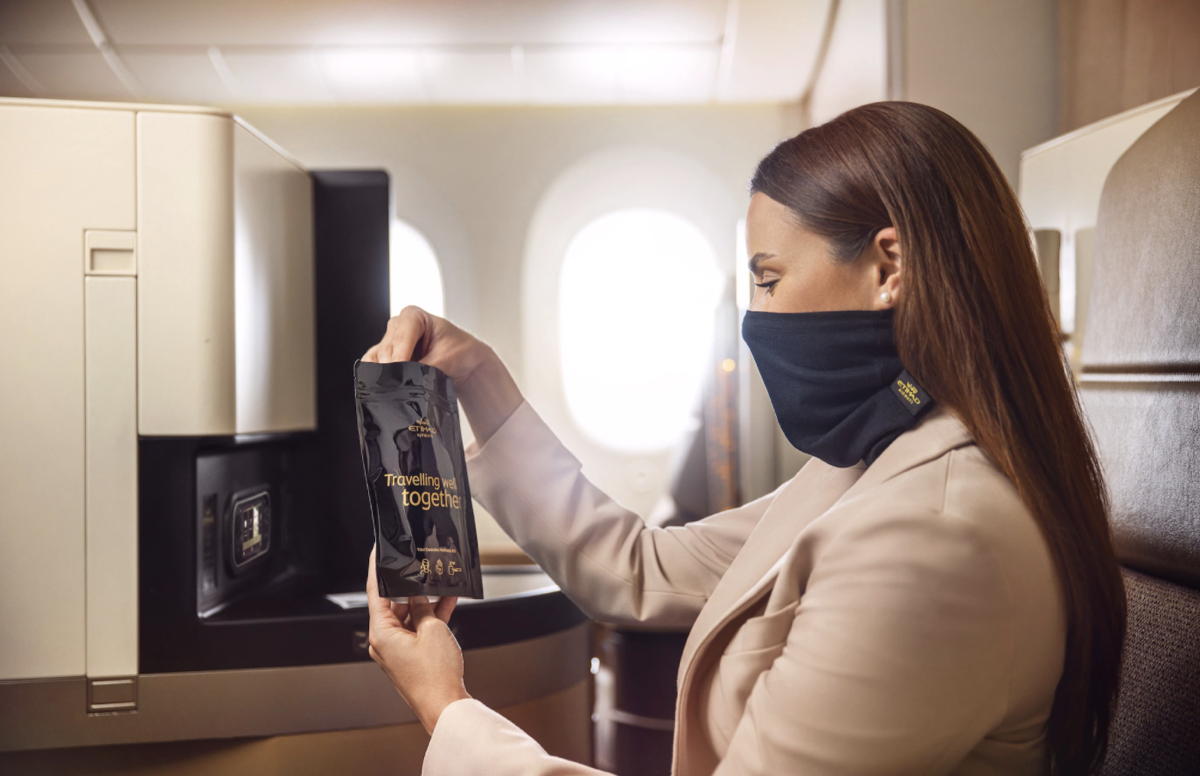
Etihad’s Wellness program also includes the offering of snood-style, MicrobeBarrier-treated facemasks to all First and Business class customers.
“There are a lot of people saying that this is the end of business travel. I don’t believe that for one moment,” said Frascogna, sharing his predictions for the aviation industry.
Corporate travel may take slower to rebound, said Frascogna, but certain types of business (such as construction or medical ventures) will always require the face-to-face interaction that video conferencing doesn’t provide.
Countries that legislate travel bubbles, or corridors, will also be key to kickstarting the leisure market, said Frascogna.
Aside from extending a “big thank you” to its Canadian travel partners, Etihad looks forward to maintaining an “open and fluid” line of correspondence with travel agents as it exercises flexibility with customers in the months to come.
“The key thing here is that we gotta keep talking to each other,” said Frascogna. “This is not just an airline problem or a travel agency issue. This is our issue, together.”
“It’s more important than ever that we find the right, most authentic ways to communicate with each other.”
Don't miss a single travel story: subscribe to PAX today!


