We use cookies on our website.
Some of them are necessary for the functioning of the site, but you can decide about others.
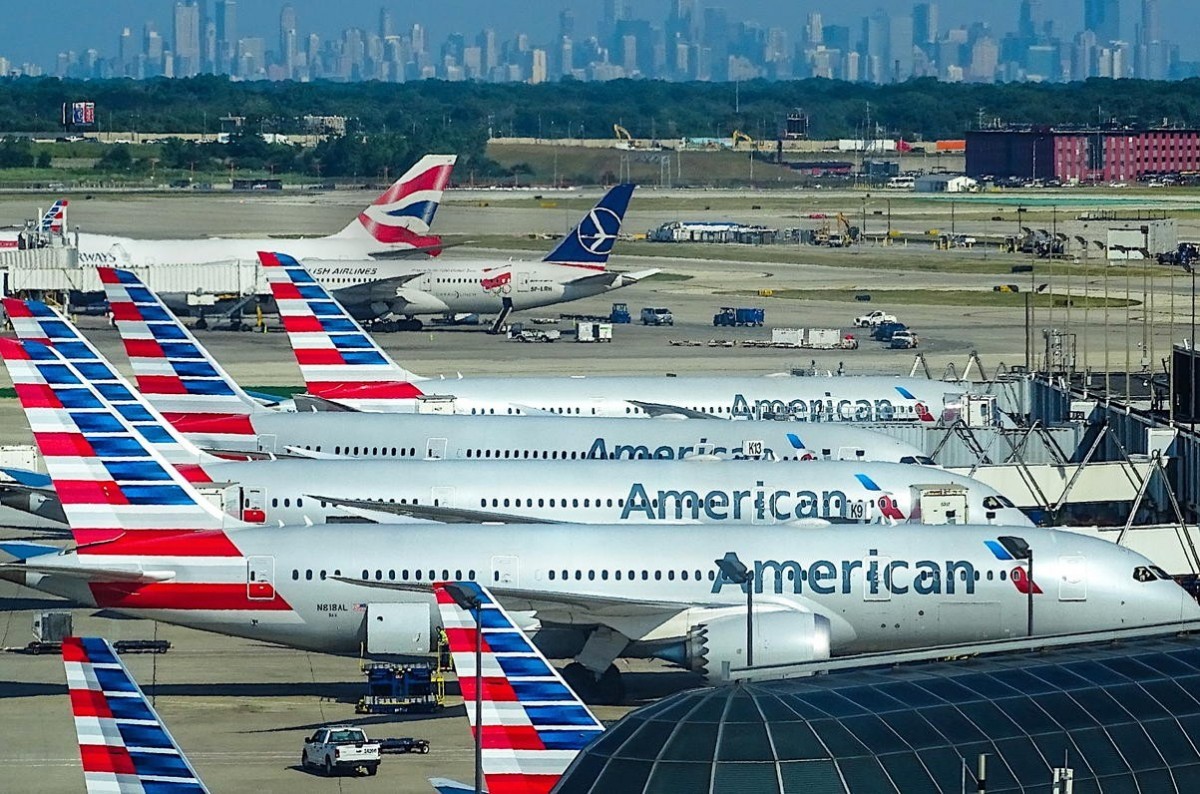
U.S. airlines are now required to give passengers an automatic refund for cancelled or significantly delayed flights and for services that were paid for but not provided, such as Wi-Fi or entertainment.
“Passengers deserve to get their money back when an airline owes them—without headaches or haggling. Today, our automatic refund rule goes into full effect. Airlines are required to provide prompt cash refunds without passengers having to ask,” Transportation Secretary Pete Buttigieg wrote Monday (Oct. 27) in a post to X.
Some parts of the DOT's new rule took effect in May when the Federal Aviation Administration's funding was reauthorized, but some aspects of the provisions have taken longer to implement.
The new rules were originally proposed in April. Before, airlines had the ability to decide how long a delay could last before issuing refunds.
Under the rules, a major delay is defined as one that lasts at least three hours for domestic flights and six hours for international flights. An airline must now provide the refunds automatically, without passengers requesting them.
The U.S. Transportation Department says passengers are to receive refunds within seven business days if they bought a ticket using their credit card and 20 calendar days for purchases made using a different payment method.
The refunds must also be made to the original form of payment – they cannot, for example, be covered by vouchers or credits if the tickets weren't paid for that way.
It must cover the full, unused value of the ticket – airlines will not be required to issue refunds for parts of an itinerary that was already flown before the trip was cancelled.
The regulation also allows passengers to get refunds for checked bag fees if the bag is lost and not delivered within 12 hours of a domestic flight’s gate arrival, while international flights will have 15-30 hours to return a lost bag, depending on the flight’s length, Bloomberg reported.
The biggest change to the policy is how it clarifies what constitutes a "significant delay."
Where the previous policy was ambiguous, the new rule specifies that delayed flights become refund-eligible after three hours for a domestic itinerary or six hours for an international itinerary.
The time limits apply both to departure and arrival delays.
Don't miss a single travel story: subscribe to PAX today! Click here to follow PAX on Facebook.