We use cookies on our website.
Some of them are necessary for the functioning of the site, but you can decide about others.

 “Here in Mérida, when I go somewhere, I know somebody. We know each other and we take care of each other,” says Ismene Castro, public relations coordinator and secretary of tourism in Mérida, the capital of Mexico’s Yucatan state.
The tight-knit citizens of Mérida hold a strong sense of pride in their tourism-driven town. Located in southeastern Mexico on the northern part of the Yucatan Peninsula, Mérida is steeped in Spanish colonial history, boasting narrow streets, festive plazas and colourful buildings that date back to the 18th and 19th centuries.
Mérida's food scene, with its local cooking methods and traditions, is unparalleled to the beer and buffet parades typical of the glitzy resorts in neighbouring Quintana Roo.
Archeological wonders of the world, like ancient Mayan pyramids, are just an hour-long drive away. Mérida is close to the beach and the temperature, much like its local habanero sauce, is hot, hot, hot.
The bottom line: people in Mérida have a lot to brag about.
PAX recently visited the culture-rich capital, in addition to its surrounding communities, on a press trip to learn why the heart of Yucatan is luring Mexican-bound tourists away from the all-inclusive resorts on the coast and into its tortilla kitchens, Mayan ruins and historical cathedrals.
The Rise of Mérida
“Mérida is growing very, very fast,” Castro told PAX, adding that tourists, including many Canadians, who visit Mérida often end up buying a house there as real-state, at least for now, is very affordable.
Although it’s home to just more than 950,000 people, Mérida still feels spacious and delightfully exclusive. But that is expected to change as tourism grows (WestJet Vacations, notably, offers direct flights into Mérida's Manuel Crescencio Rejón International Airport) and as local Mexicans relocate there.
So why the sudden boom? “Security,” Castro told PAX. It’s well-known that the Yucatán region is one of the safest in Mexico, with Mérida winning a City of Peace award in 2011.
The plazas and main squares of Mérida turn into a cultural showcase every night of the week. On Mondays, for example, you can catch Yucatecan “jaranas,” traditional folk dancers, as they perform directly in front of City Hall. 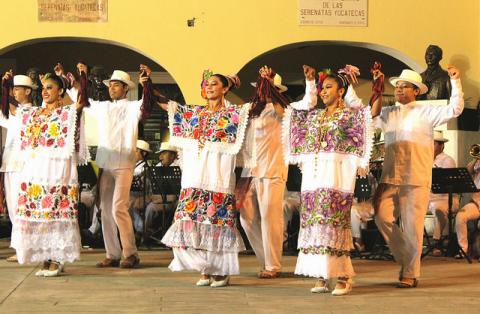
On a Thursday night, PAX dined on zesty chicken fettuccini at Tratto, a Mediterranean-Italian eatery in popular Santa Lucia park, where the entire space had been transformed into an outdoor concert theatre with live salsa and cumbia musicians and dancers. Here, it wasn’t unusual for a mariachi band to swing by our table and perform an impromptu romantic melody.
The vibe in Mérida is laid-back and casual. Most buildings are finished in stucco and painted in salmon, red and green colours. The city is organized by colonias, or neighbourhoods, one of the most popular being Plaza Grande, which, on any given day, is full of locals sitting on benches and chatting, feeding the birds or catching shade under one of the plaza’s many lush trees (likely to take advantage of the area’s free Wi-Fi).
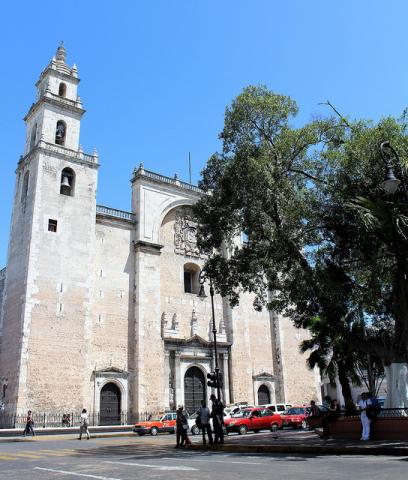
Surrounding the plaza are some of Mérida's most popular attractions, notably its fortress-like cathedral, the city's contemporary art museum, the Spanish plateresque Palacio Montejo, and the government’s palace, or Palacio de Gobiern, a state building with lime-coloured archways and large murals depicting scenes from Maya and Mexican history.
For 19th century mansions that have been transformed into museums, visit Paseo de Montejo, a fashionable tree-lined boulevard just outside the city centre. Here, you’ll find El Colon ice cream, which has been serving cold treats since 1907.
Mayan History
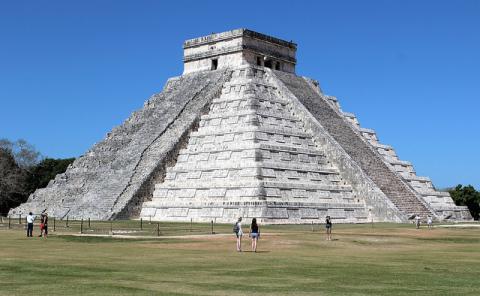 About an hour-and-a-half drive from our hotel in Mérida, the Hotel Casa del Balaam – “balaam,” a Mayan language word for "jaguar,” – is Chichen Itza, which was a pre-Columbian city built by the Maya people in the Terminal Classic period. Today it is a world-famous archaeological site located in the Tinúm Municipality of Yucatan.
A UNESCO World Heritage Site, Chichen Itza is famous for its stepped pyramids, temples, and columned arcades – archeological marvels that were symbolic to the ancient Maya empire in Central America. Here, the most identifiable structure is the Temple of Kukulkan, also known as El Castillo. Twice a year, during the spring and autumn equinoxes, a shadow falls on the pyramid’s 365 steps in the shape of a snake, dazzling proof of the Maya’s sophisticated astronomy knowledge.
The pyramid, in addition to the site’s other ancient structures, makes Chichen Itza a memorable visit. It’s also a great place to bargain for souvenirs from one of the many vendors set up throughout the grounds. Hot travel tip: go early to avoid the big bus tours and extreme afternoon heat.
Tequila, Spice and Everything Nice
As PAX discovered on our first day in Yucatan, the region has some of the spiciest habanero sauces and tortilla chip dips around. Mérida's La Chaya Maya is a good starting point for true Yucatan cuisine, such as cochinitas, a slow-roasted pork dish that involves marinating the meat in acidic juices and wrapping it in banana leaves. And if you’re seeking tequila, you’ve come to the right place (it's Mexico, rememeber). 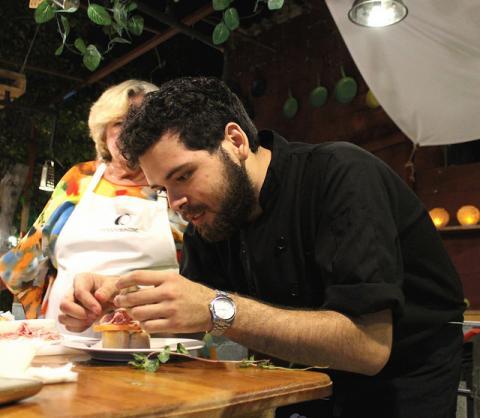
Participatory kitchens, too, are an ideal way to savour local flavours. At Coco Cuisine, guests each receive their own cutting board, kitchen tools, stovetop and personal instruction by Chef Juan Mendez. From cutting your own ham to mashing your own potatoes, the experience forces you to put down your phone and build a meal from the fennel seeds up. This is highly recommended if you can nab a reservation. Mérida's local market, too, is an ideal spot to buy fresh local eats, from pineapples to hot peppers, at cheap prices.
Magical Towns
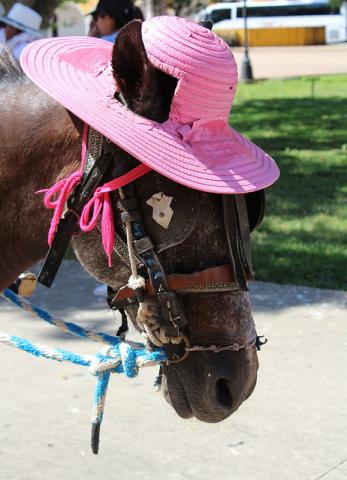 Sidetrips are essential when visiting Mérida. About 70 km east of the city is Izamal, one of Mexico's “Magical Towns,” where all the buildings are painted yellow and the horses wear colourful hats. The town is literally a monochrome colour scheme of yellow and white, which is reportedly in honour of the Vatican’s flag (Pope John Paul II famously visited Izamal in 1993). Izamal also features remains of pre-Hispanic constructions such as Kinich Kakmo, a giant pyramid that you can still climb.
Further east of Mérida is the town of Valladolid, a beautiful colonial city known for the ex-convent and church Convent of San Bernardino de Siena and the Cenote Zaci, a freshwater cenote (a massive underground sinkhole) that tourists can access to explore its cave-like interior.
Flamingo Paradise
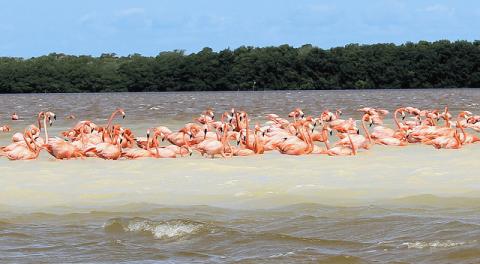
Like the Everglades are to Florida, the Yucatan has its own wetlands. The National Park of Celestun, a biosphere wildlife reserve, is a sanctuary for some 300 species of exotic water birds, rare and endangered turtles, monkeys, crocodiles and, famously, thousands of bright pink flamingos that eat from the waters' muddy floor. Guides steering tiny flat boats take tourists deep into the reserve’s dark mangroves, offering a front-row seat to the region’s exciting natural beauty.
After visiting the flamingos, head to town and enjoy the Yucatan’s freshest seafood at La Palapa, an open-air restaurant directly on the beach.
For more on visiting the Yucatan visit yucatan.travel.