We use cookies on our website.
Some of them are necessary for the functioning of the site, but you can decide about others.
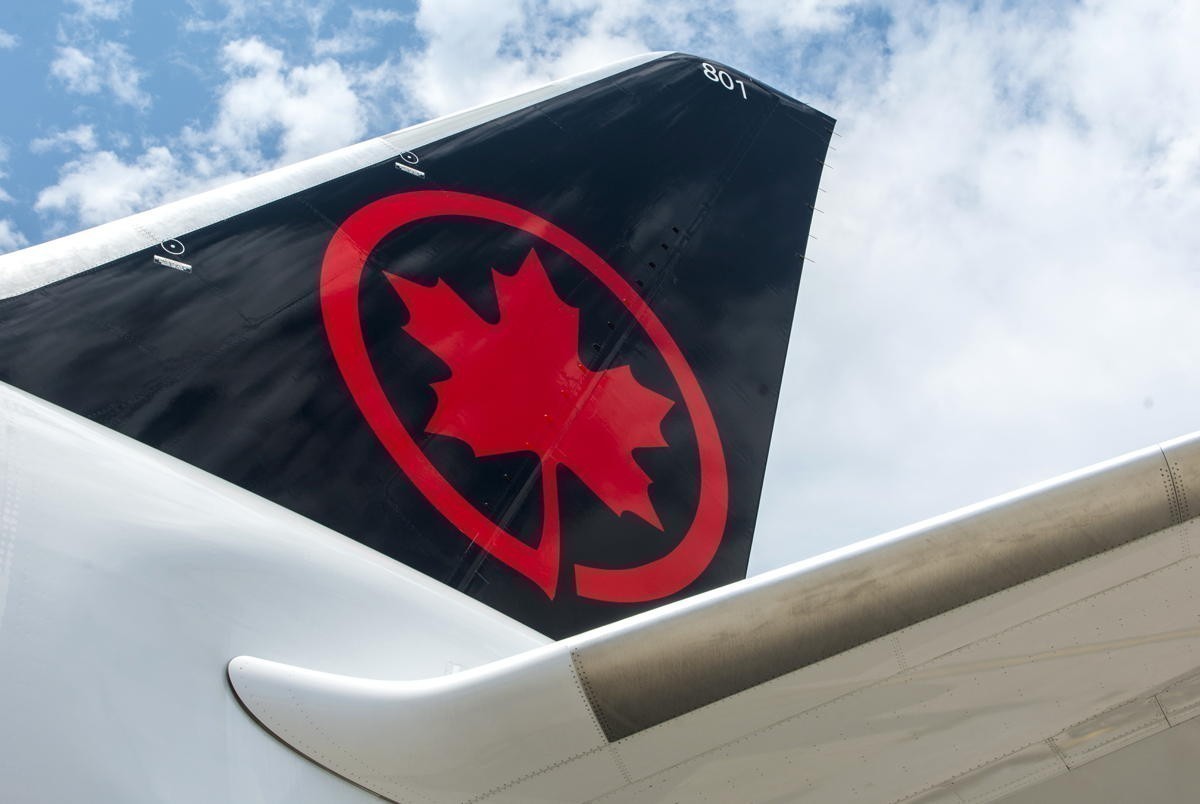
Contract negotiations between Air Canada and the Canadian Union of Public Employees (CUPE), which represents 10,000 flight attendants at Air Canada and Air Canada Rouge, have reached a standstill, putting the airline on the brink of a potential strike or lockout that could begin Aug. 16.
Each side says the other is responsible for the standstill at the bargaining table.
The union says Air Canada has been delaying negotiations for nine months on key issues such as unpaid work and wages, while the airline says CUPE is seeking “unsustainable” pay increases.
CUPE members voted 99.7 per cent in favour of strike action and held an Aug. 11 “Day of Action” at airports across the country.
“Air Canada has seen how determined and united flight attendants are to end unpaid work and win a real cost-of-living increase to wages,” said Wesley Lesosky, president of the Air Canada Component of CUPE, in a statement.
The union claims Air Canada’s latest offer falls short on multiple fronts—paying only 50 per cent of hourly rates for certain ground duties and failing to compensate for others, including medical emergencies and safety incidents.
CUPE says the proposed wage increases are below inflation, market value and even federal minimum wage.
Air Canada, meanwhile, says it tabled a revised offer on Aug. 11 that included a 38 per cent total compensation increase over four years, with 25 per cent in the first year, along with improvements to pensions, benefits, crew rest and work-life balance.
The company says the offer “sought no concessions” and would make its flight attendants the best compensated in Canada.
Despite these positions, Air Canada says it now believes talks are at an impasse and has proposed binding arbitration.
“We are disappointed our proposal to resolve the outstanding items fairly through arbitration has been rejected by the union and it is instead insisting on unsustainable wage increases,” said Arielle Meloul-Wechsler, Air Canada’s executive vice president, chief human resources officer and public affairs, in a statement.
CUPE has rejected arbitration, arguing it would “preserve the exploitative status quo” and remove members’ right to vote on a deal.
“Everyone knows the best deals are negotiated at the bargaining table, not handed down by an outside third-party,” said Lesosky.
If no agreement is reached, CUPE or Air Canada could issue a 72-hour strike or lockout notice as early as Aug. 13.
Air Canada says a work stoppage would affect roughly 130,000 customers daily, though flights operated by regional partners Jazz and PAL Airlines would continue.
The airline says it is considering next steps to minimize uncertainty for travellers, including asking the federal government to direct the dispute to binding arbitration under the Canada Labour Code—a measure it says has precedent in recent rail, port and airline disputes.
In the event of a disruption, customers with cancelled flights would be eligible for a refund and could be rebooked on other carriers or Via Rail, though space may be limited during peak summer travel.
Don't miss a single travel story: subscribe to PAX today! Click here to follow PAX on Facebook.