We use cookies on our website.
Some of them are necessary for the functioning of the site, but you can decide about others.


Michael Pihach is an award-winning journalist with a keen interest in digital storytelling. In addition to PAX, Michael has also written for CBC Life, Ryerson University Magazine, IN Magazine, and DailyXtra.ca. Michael joins PAX after years of working at popular Canadian television shows, such as Steven and Chris, The Goods and The Marilyn Denis Show.
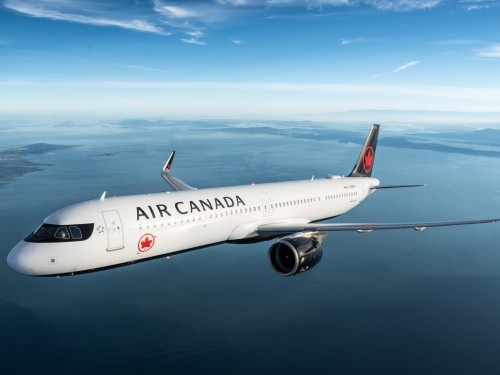
Flight attendants at Air Canada are voicing concerns over recent service enhancements at its leisure-focused subsidiary, Air Canada Rouge.
As previously reported, Air Canada has started upgrading the in-flight experience on Rouge routes, prompting union representatives to question whether these changes could breach existing labour agreements.
At the heart of the issue are new onboard offerings being introduced across Rouge aircraft, such as better seating, enhanced entertainment options, and complimentary services.
Although these improvements are intended to make the airline more competitive, the union worries they could blur the established differences between Rouge and Air Canada’s mainline operations.
“Rouge was never intended to mirror the Air Canada Mainline product. It was designed as a distinct, low-cost carrier with clear and defined differences in service, configuration, and branding,” wrote Wesley Lesosky, president of the Air Canada Component of CUPE, on the group’s Facebook page on March 19. “We are increasingly concerned that these distinctions are being blurred.”
Air Canada Rouge recently rolled out its first Boeing 737 MAX featuring 12 Business Class seats, 18 Preferred extra legroom Economy seats and 147 Standard Economy seats.
The aircraft also comes with seatback entertainment and high-speed, complimentary Wi-Fi backed by Bell, marking a noticeable step up in passenger comfort.
READ MORE: From Rouge revamp to free Wi-fi: Inside Air Canada’s comprehensive fleet upgrade
On top of that, Rouge is now serving free beverages like beer and wine, along with upgraded snack options, on flights throughout North America and the Caribbean.
The changes are part of a broader push to better meet shifting expectations among leisure travellers.
However, CUPE argues that these upgrades may violate existing labour agreements.
The union says Rouge was originally intended to operate as a lower-cost brand with clearly defined service limits.
The union has formally filed grievances, claiming that Air Canada is breaching specific provisions in its collective agreement.
The rules are meant to prevent Rouge from offering a more premium onboard experience than Air Canada’s mainline Premium Economy product.
One clause, for example, specifies that seats in Rouge’s forward cabin must not surpass the size, pitch, or recline of mainline business class seating.
When Rouge was launched in 2013 to compete with leisure carriers like Air Transat and Sunwing, unions negotiated strict conditions to keep it focused on leisure routes and below mainline service standards.
CUPE now cautions that eroding these distinctions could encourage Air Canada to move more routes to Rouge, where labour costs are lower.
“This is not simply about onboard service or aircraft interiors,” Lesosky wrote. “This is about protecting the integrity of our Collective Agreement, the clear and defined roles of rouge and Air Canada Mainline and the long-term job security and working conditions of our members.”
“It is indeed a slippery slope and the salary differential along with the inferior work rules between Rouge and Air Canada Mainline will be a huge factor in the companies planning. It is our job to be vigilant and protect the jobs at Mainline.”
“When product lines blur, it creates risk — not only to negotiated protections, but to the structure we have fought to maintain.”
CUPE says it will continue to monitor and review all Rouge changes and challenge any possible violations.
In a previous statement, Mark Nasr, executive vice president and chief operations officer at Air Canada, said the airline's cabin renewal program, inclusive of the new Rouge, is about delivering "a sense of comfort, care, and pride" across every flight.
Don't miss a single travel story: subscribe to PAX today! Click here to follow PAX on Facebook.